








What is In Vitro Fertilization?
In Vitro Fertilization is the assisted reproduction technique by which the fertilization of the egg is achieved outside the woman's body.

In Vitro Fertilization is the assisted reproduction technique by which the fertilization of the egg is achieved outside the woman's body.
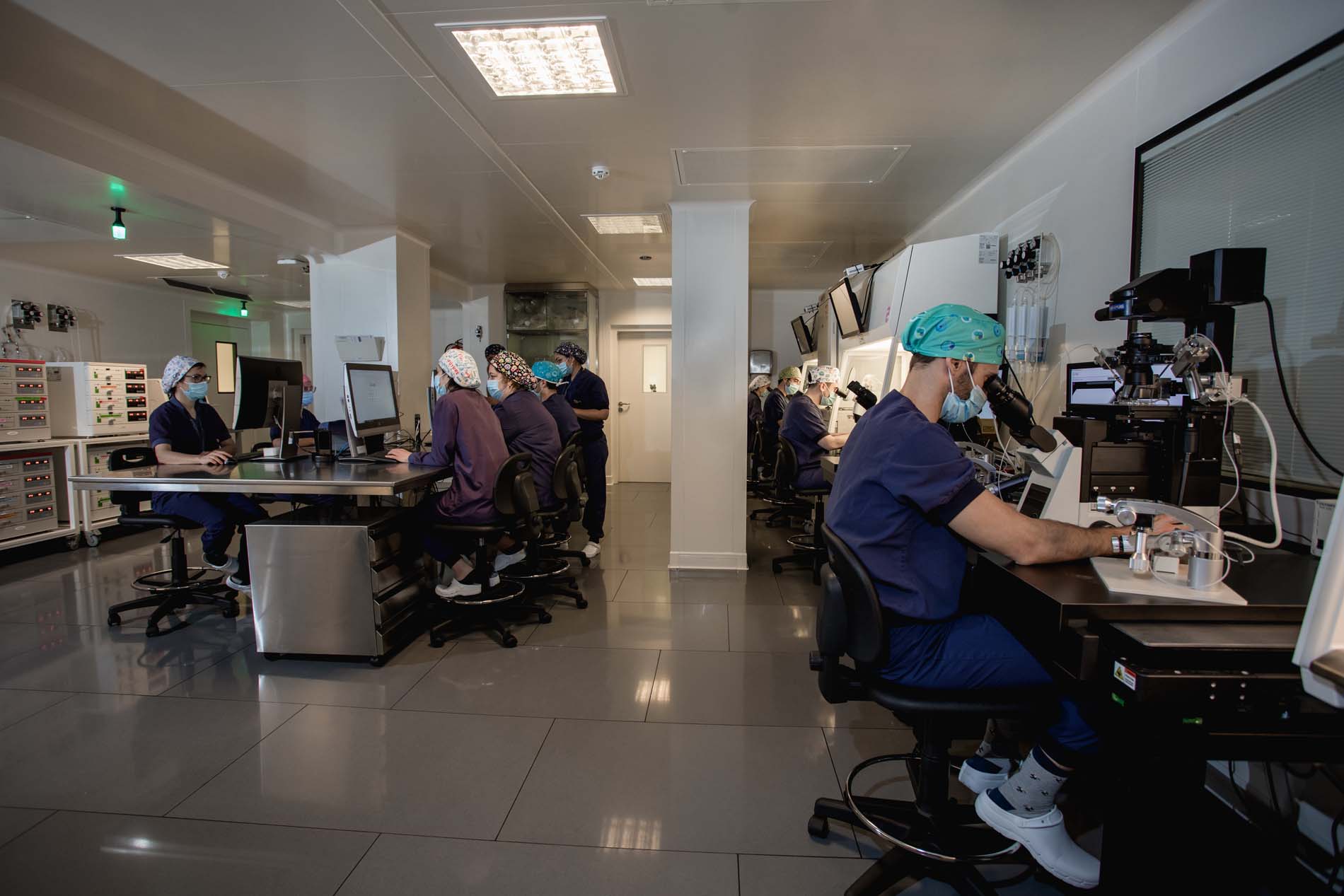
The importance of a good IVF laboratory
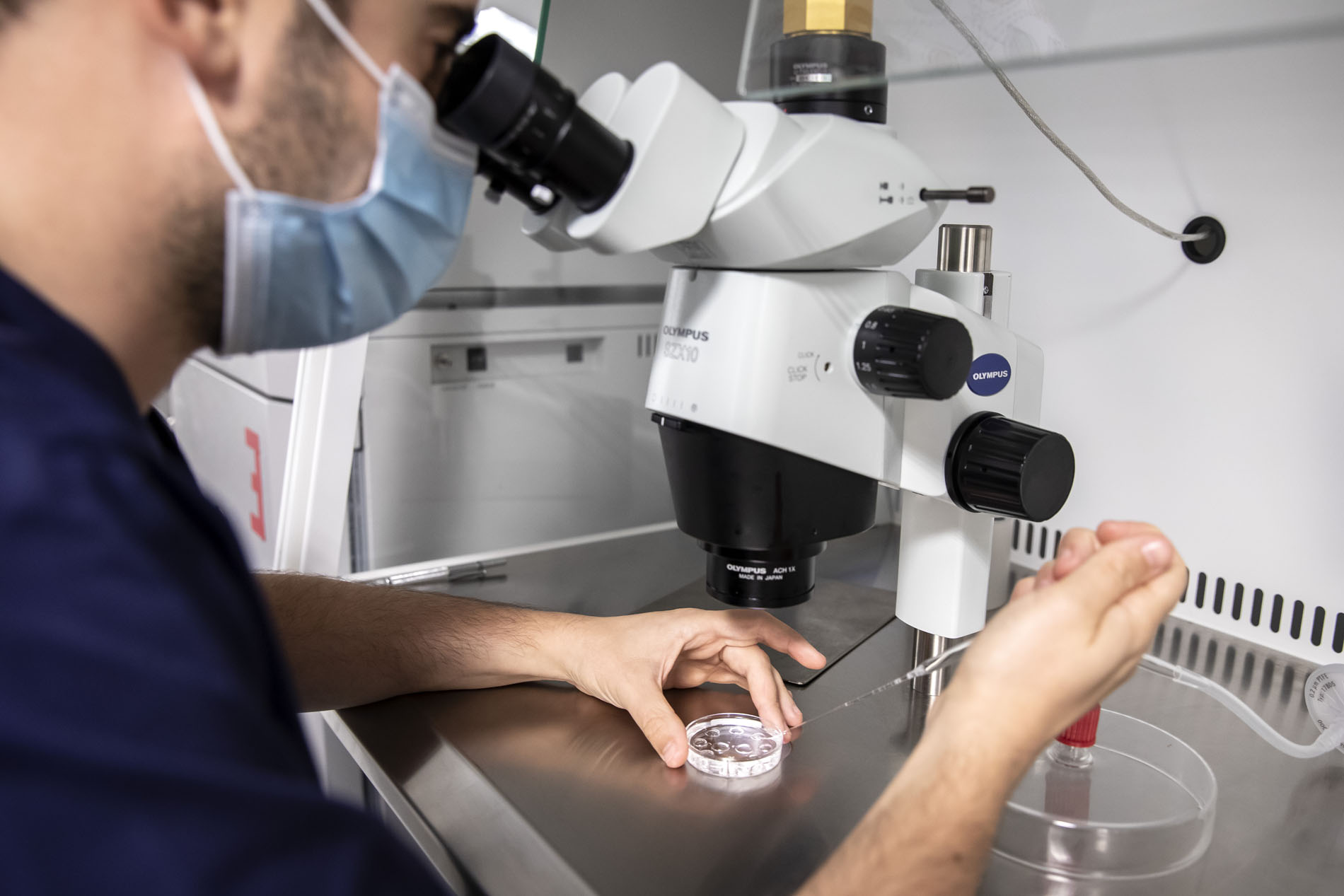
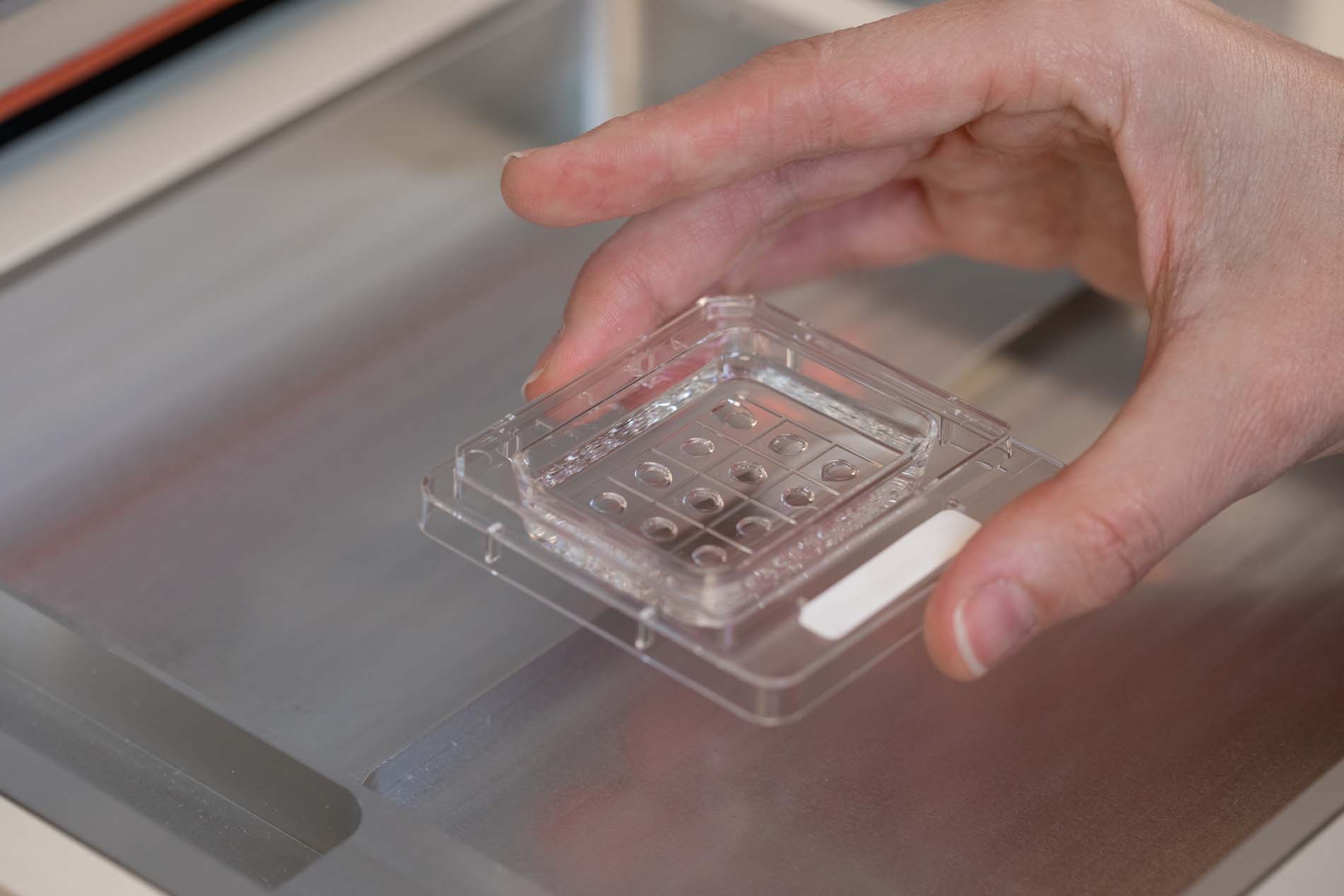
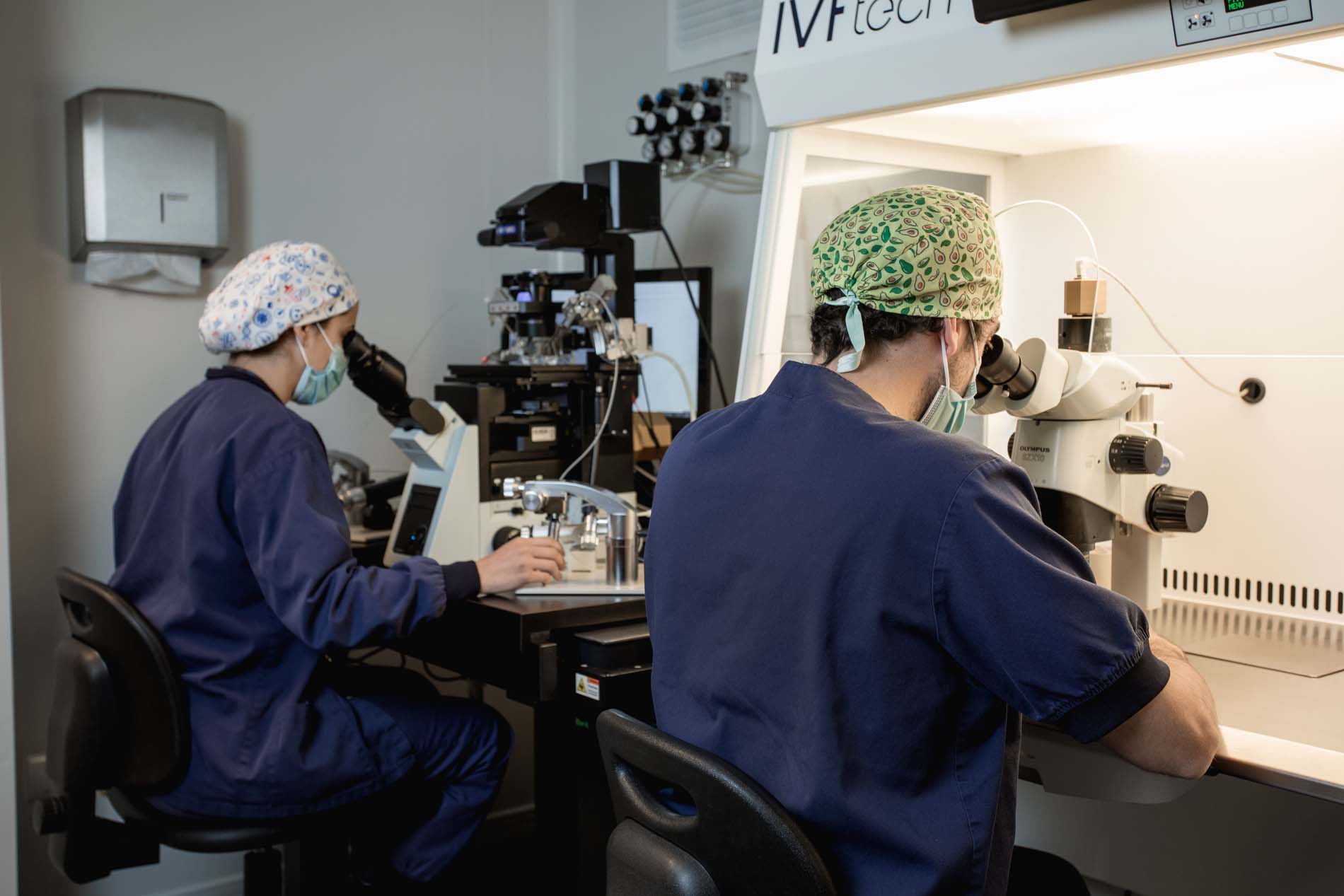
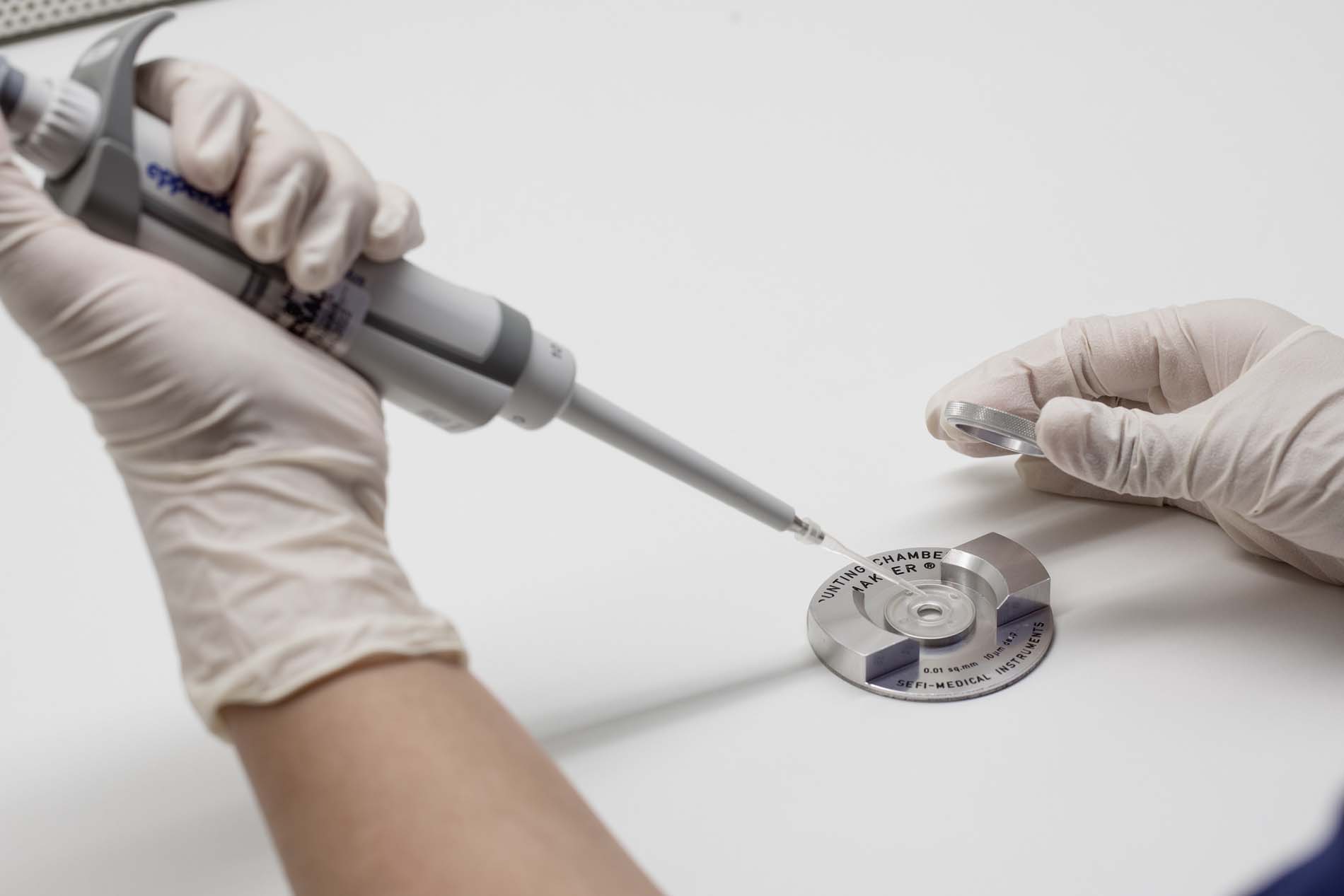
The IVF is carried out in a specialized Assisted-Reproduction laboratory using a sperm sample and the egg cells previously extracted from the woman’s body.
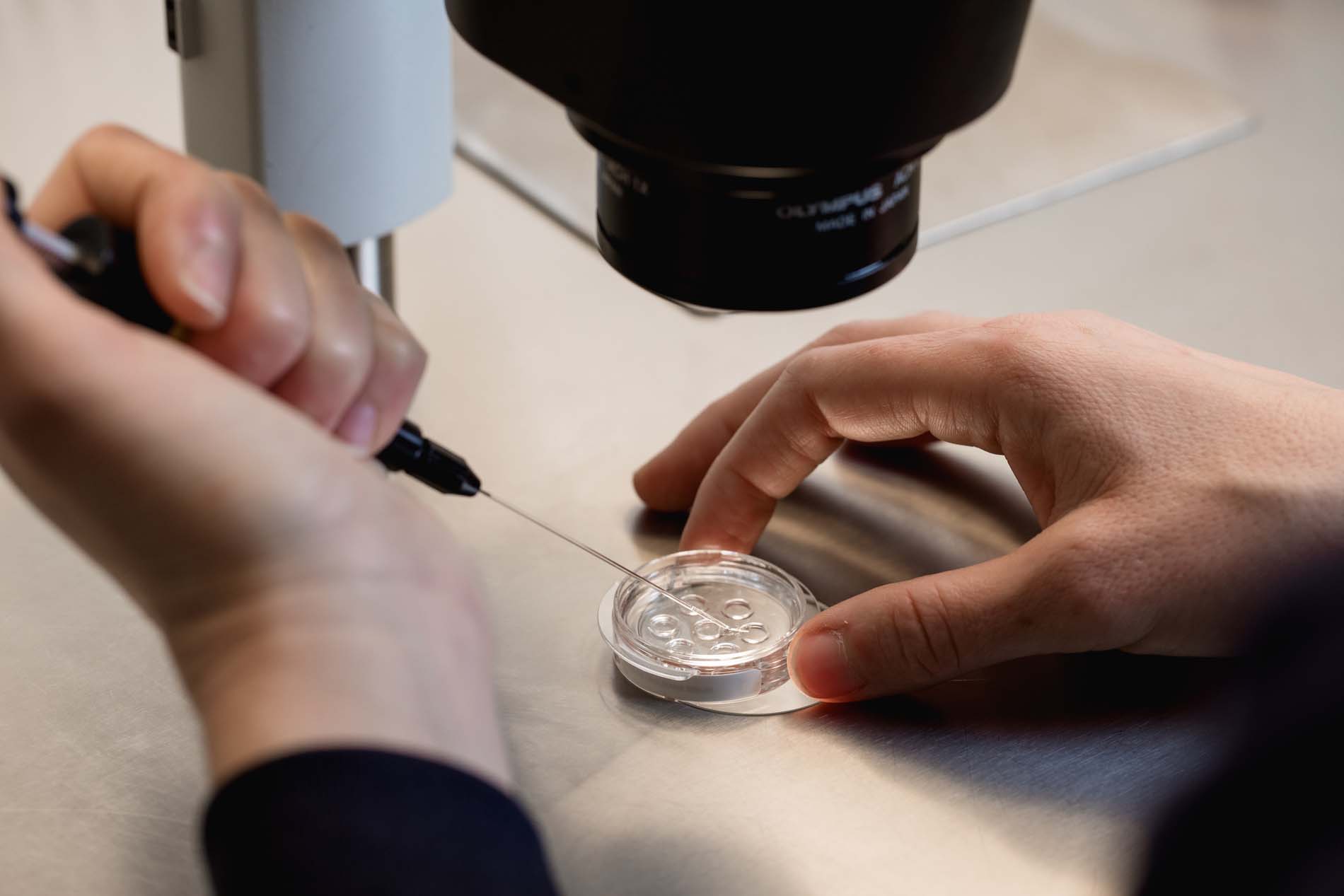
In the clinic’s IVF laboratory, the specialist combines the female and male gametes so that fertilization occurs, producing an embryo.
Once the embryo has formed, it is transferred to the uterus of the mother through a procedure known as embryo transfer.
How is conventional in vitro fertilization carried out? In conventional IVF, the specialist places the egg cell in contact with a pre-processed sperm sample and, in a spontaneous and natural manner, only one of the sperm cells is able to break through the cortex of the egg cell to fertilize it.
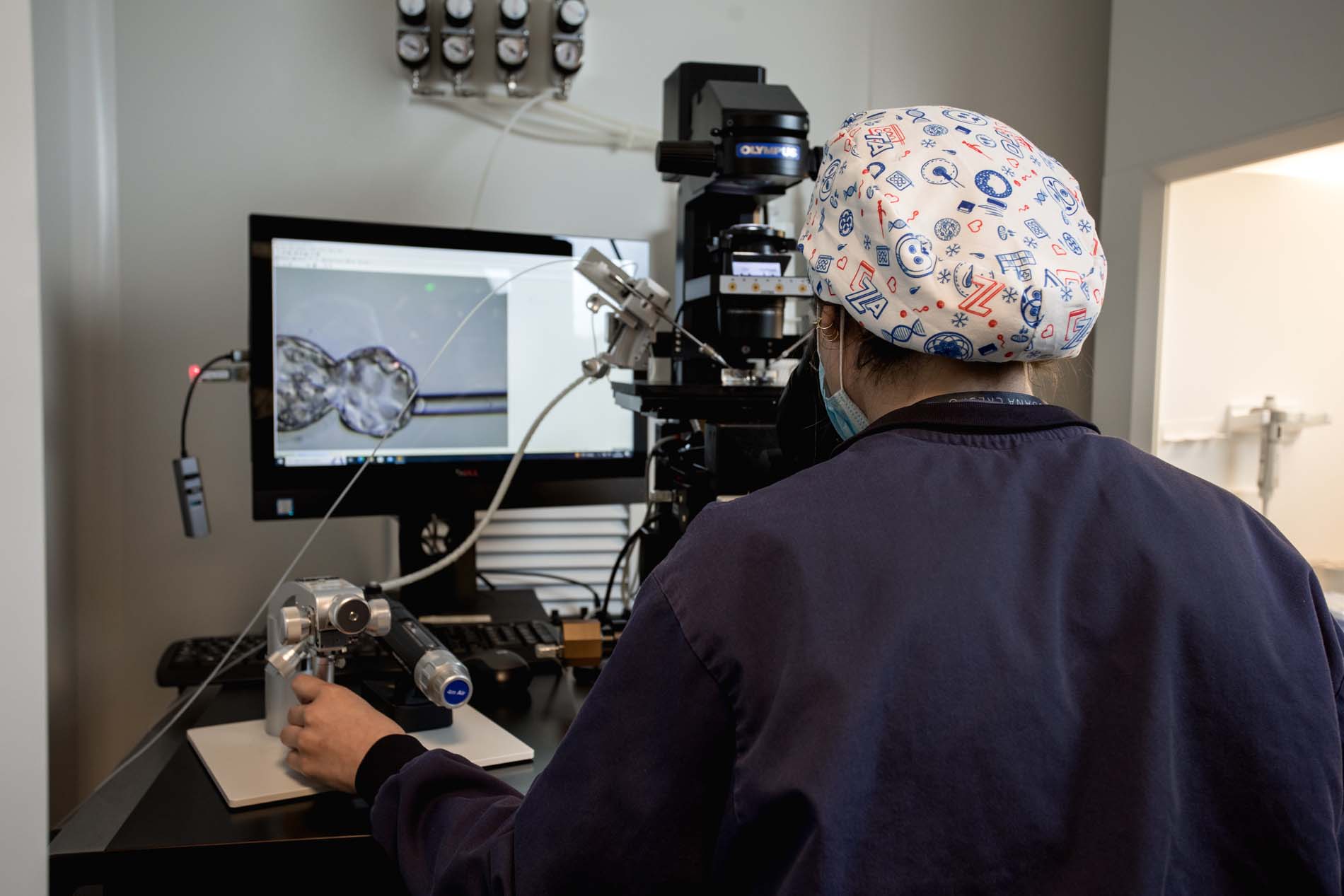
In an IVF process with ICSI, the specialist selects the best sperm cell from a prepared sample and perforates the cortex of the egg cell by microinjection, depositing the sperm cell directly in the cytoplasm, which paves the way for this sperm cell to achieve fertilization. In an ICSI process, there is greater manipulation of the embryo, although the success rates increase if the specialist has a mastery of the technique.
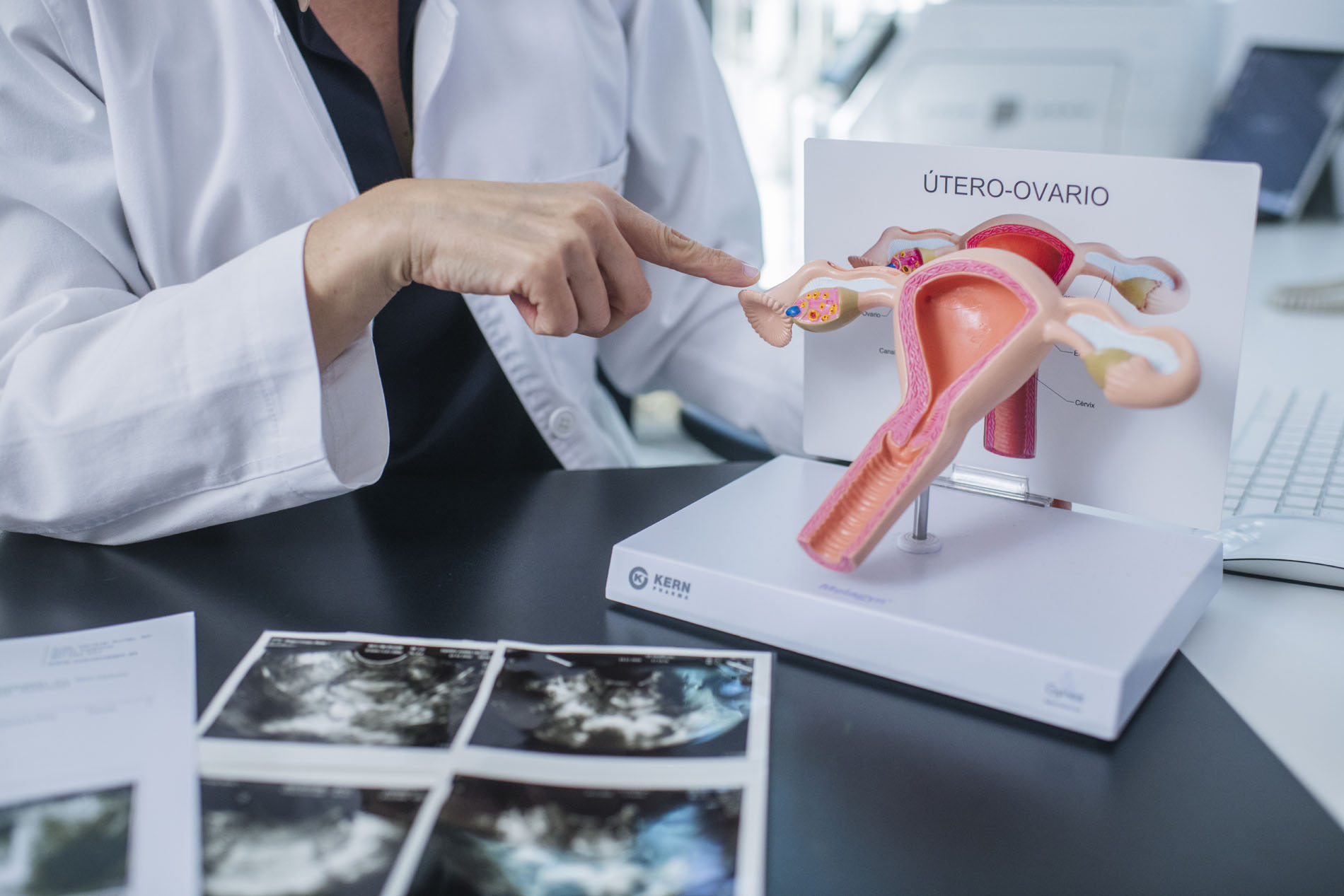
In vitro fertilization is a treatment appropriate in the following cases:
Absence, injury, or blockage of the Fallopian tubes.
Scarcity, lack of motility or alteration of sperm cells.
Women with endometriosis.
Women pursuing motherhood at more advanced ages.
Women with recurrent miscarriages.
Recurrent miscarriages

In Vitro Fertilization:
steps and
procedure
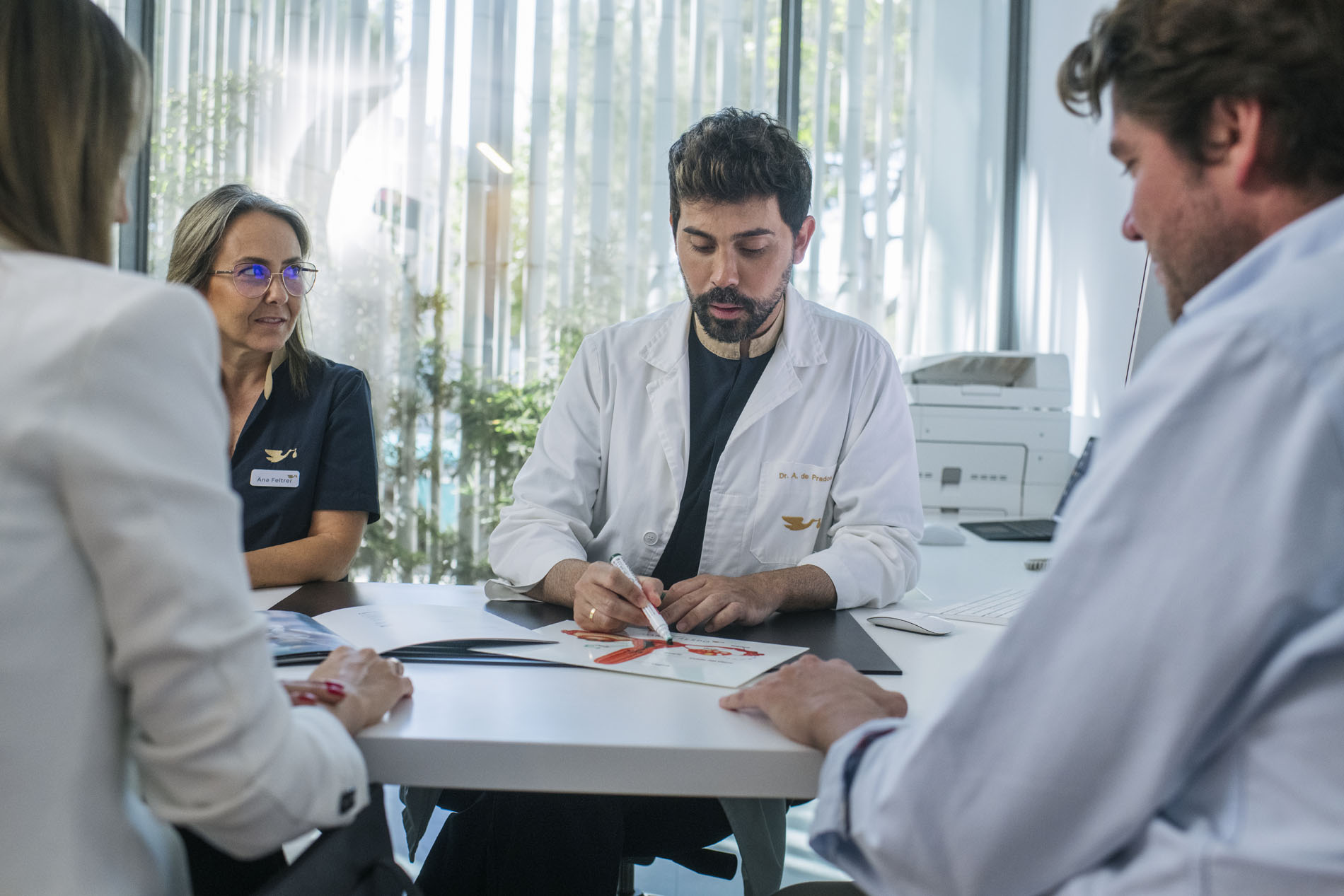
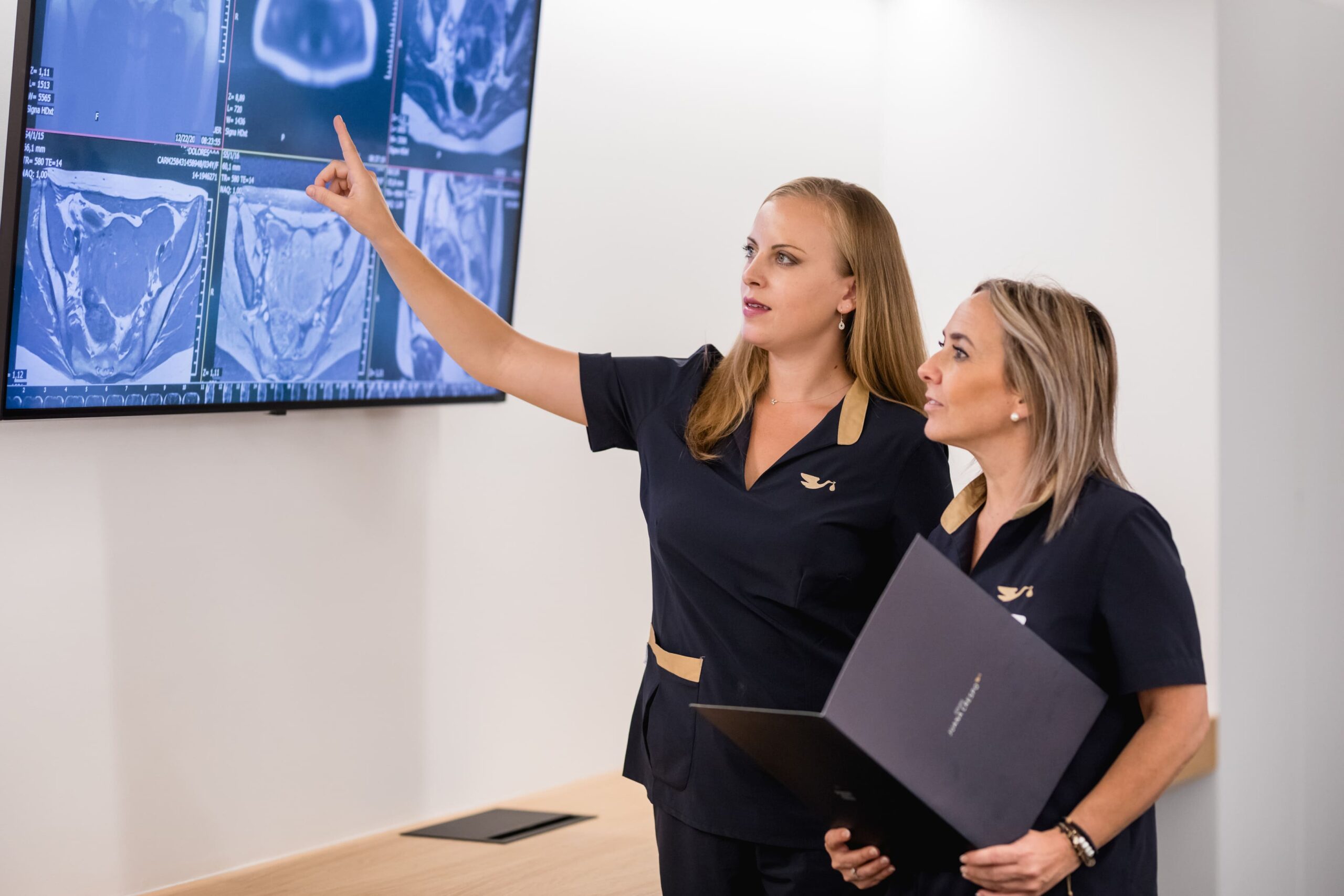
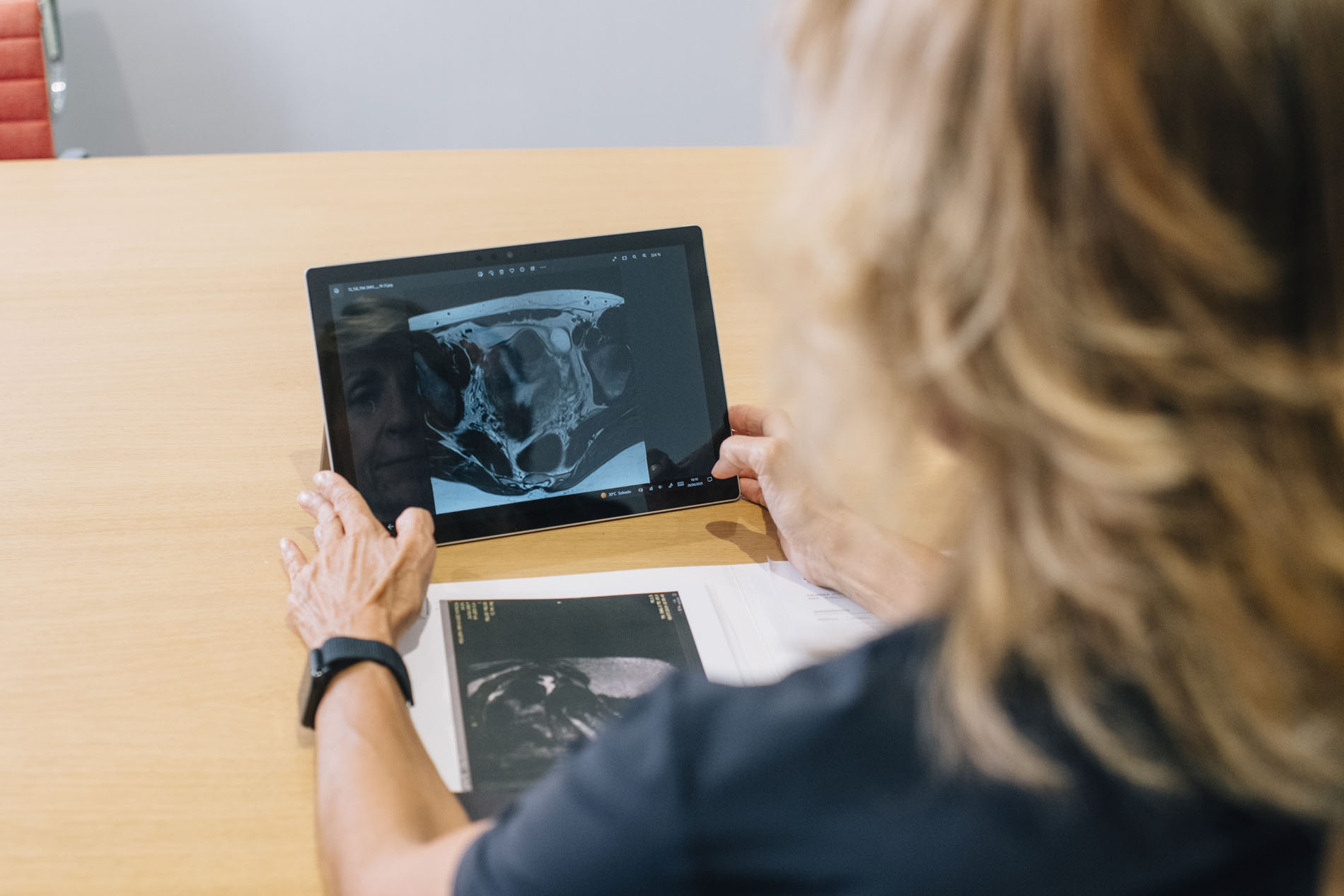
Before embarking on an in vitro fertilization treatment, the diagnosis is fundamental, together with a highly customized strategy for the cycle adapted to each individual case.
Once all complementary diagnostic test results have been studied, and a specific strategy has been adopted, ovarian stimulation begins. This is a medically supervised process for the purpose of causing the ovaries to produce the maximum quantity of optimum quality egg cells.
During this process, specialized physicians conduct different checks and analyses to monitor the growth of the follicles, the cellular structures that contain the ova.
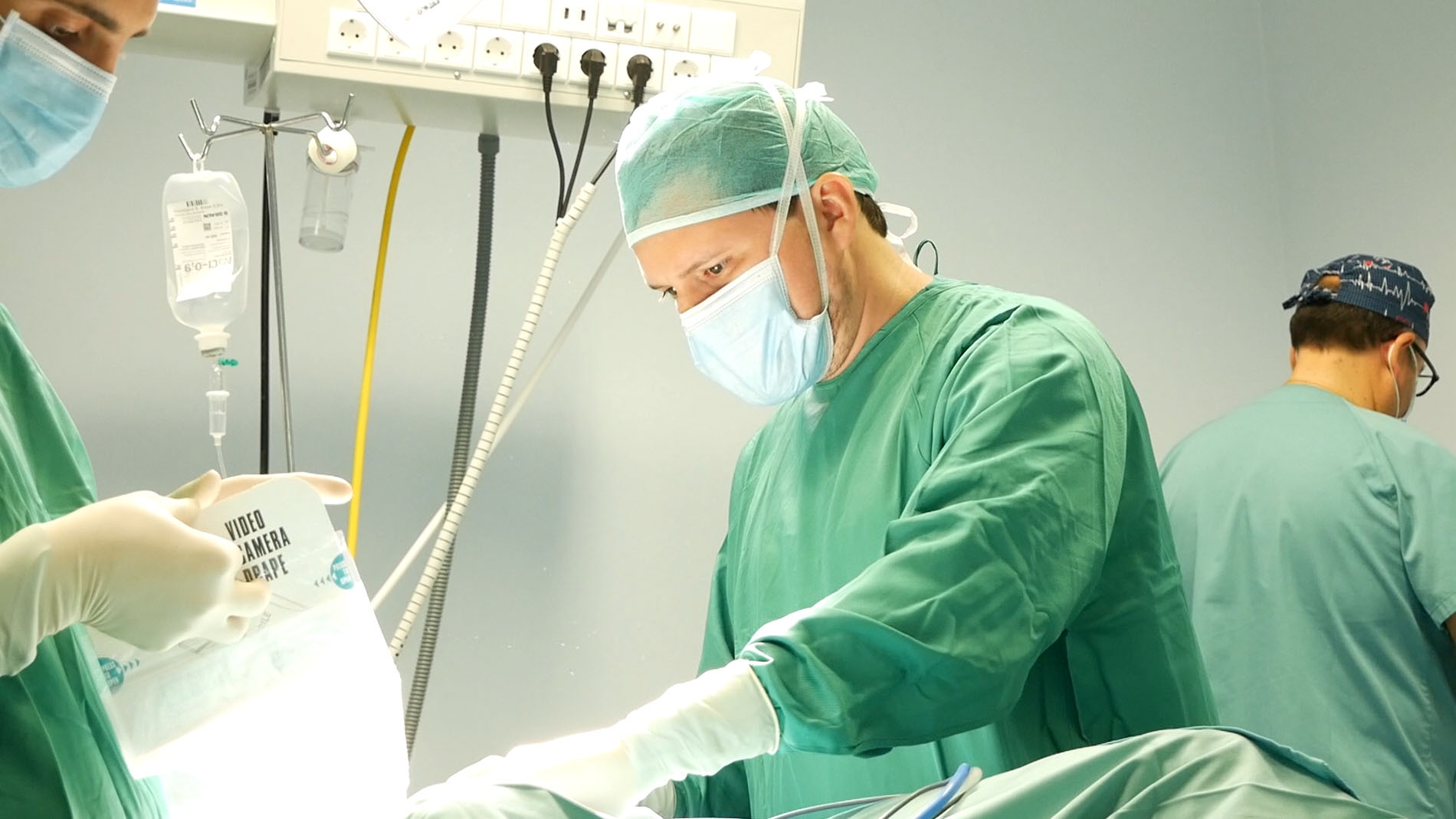
When the egg cells are mature, the ovarian puncture is scheduled, which is carried out in the operating rooms of our IVF clinic. This is a simple surgical procedure that is usually performed under sedation, in which the specialist extracts mature egg cells from the woman’s ovaries.
Next, these egg cells are transferred to the laboratory to be fertilized by traditional IVF or by IVF-ICSI.
The mastery of the technique on the part of the specialists, the conditions of stability of the IVF laboratory, the available technology or the quality of the cultivation media utilized are decisive for the success of the in vitro fertilization.
This is a very important phase in an assisted reproduction procedure. It consists of preparing and conditioning the inside of the uterus to facilitate embryo implantation.
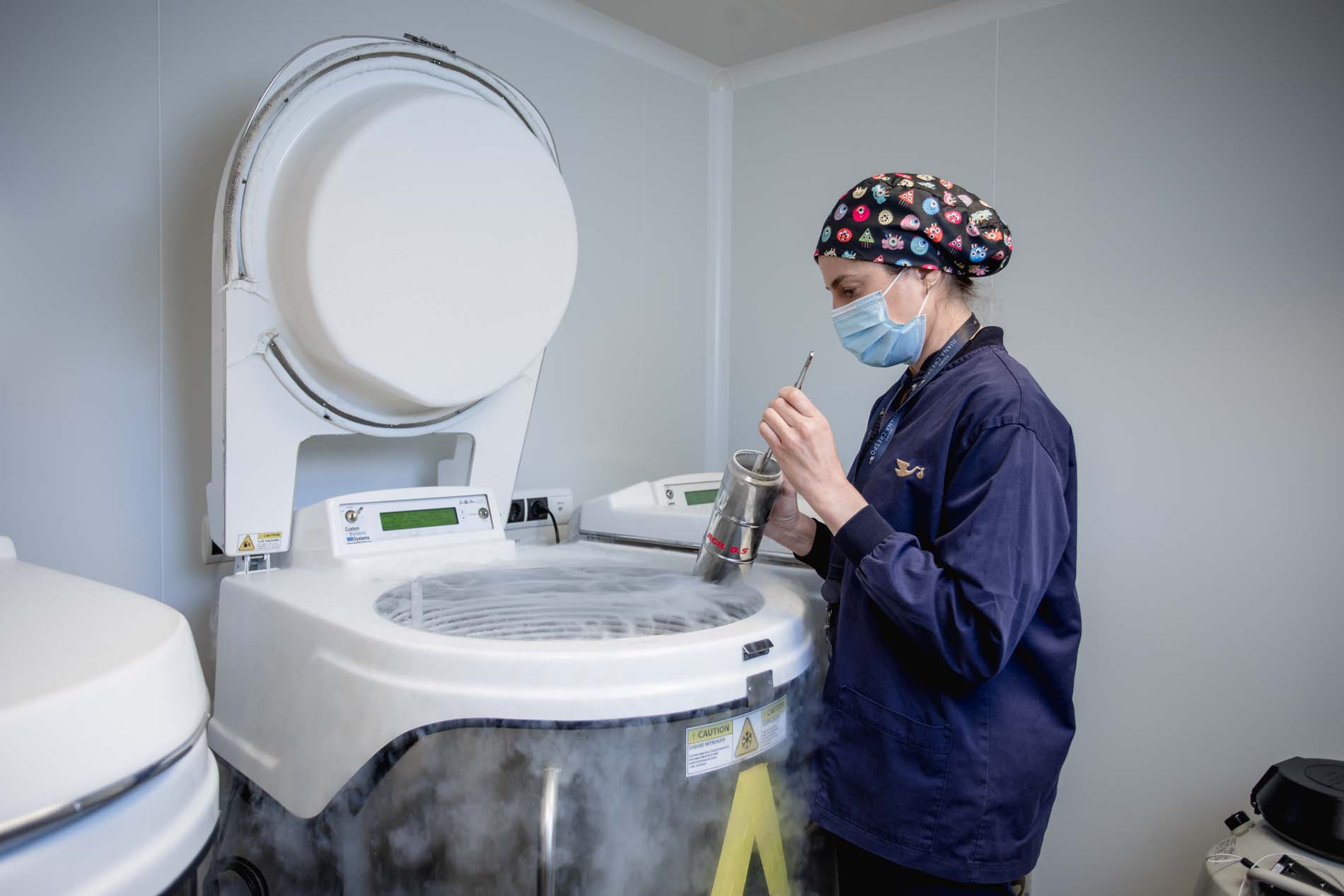
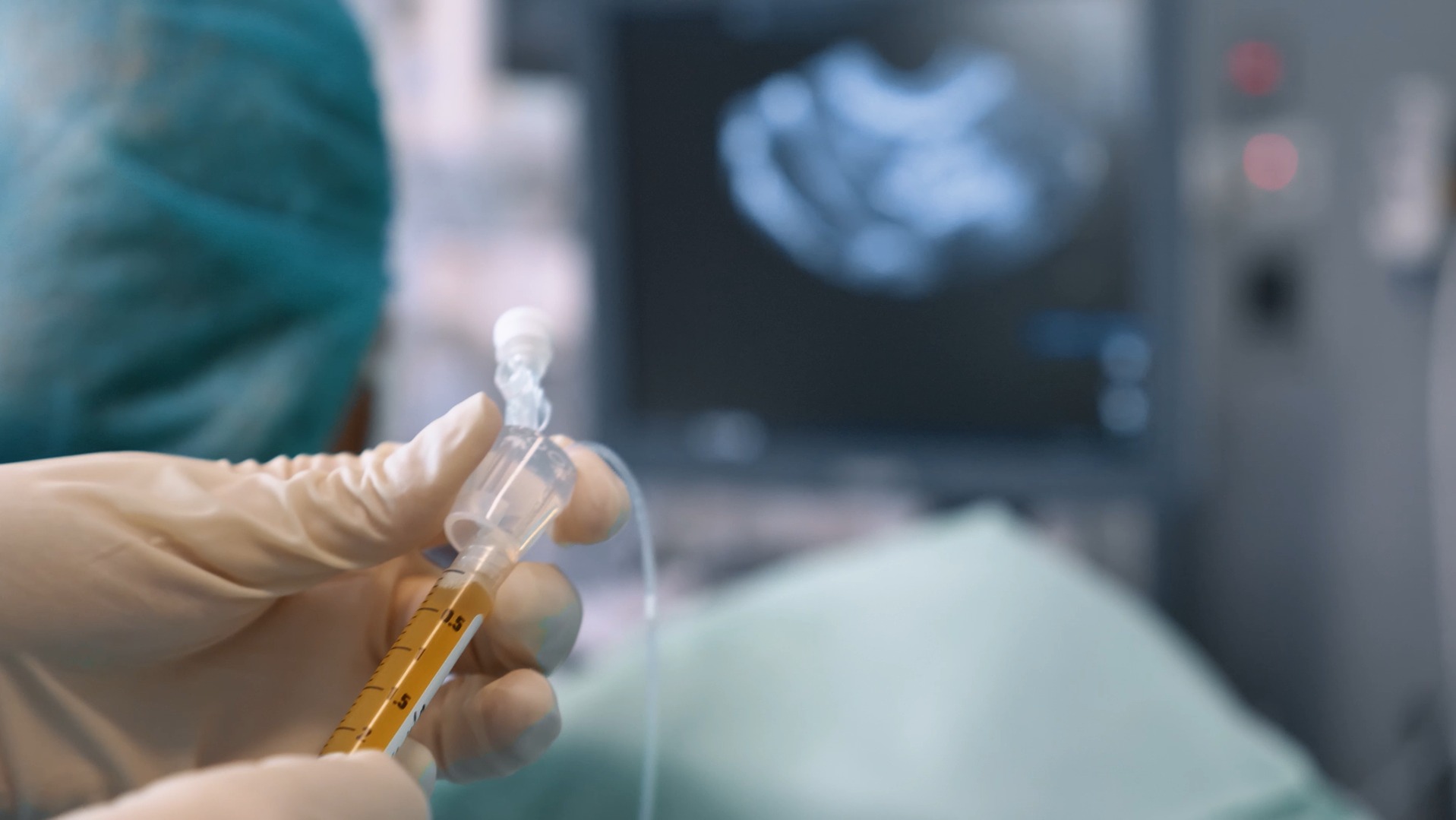
Once fertilization has occurred, the embryos are transferred to the woman’s uterus on Day 3 or in the blastocyst phase (about Day 5), as determined in the strategy of each patient. The remaining embryos will be vitrified for future use.
When 9-10 days have passed after the embryo transfer, we will carry out the pregnancy test.
Absolute personalization: the most innovative techniques such as ovarian revitalization and our laboratory technology are key to obtaining the best success rates in IVF treatments with your own eggs.
83%
First transfer
97%
Average in 1.2 transfer
83%
First transfer
90%
Average in 1.2 transfer
75%
First transfer
84%
Average in 1.2 transfer
Many of our patients are also concerned about factors that can affect the success of IVF, and they send us questions related to the diet they should follow during those days, such as limitations on their “normal” activities, or how to prepare to receive the results. To answer some of these questions, we have created a guide to physical and emotional preparation for IVF.
During stimulation, most women experience discomfort similar to that of a normal ovulation cycle. Once stimulation ends and before egg retrieval, the ovaries increase in size, resulting in a feeling of heaviness or abdominal bloating that may worsen when sitting or changing position, such as while sleeping. Abdominal distension or a feeling of fullness is another symptom that appears at the end of stimulation in IVF treatments, along with more abundant and clear vaginal discharge.
Before starting treatment, and as part of your physical and emotional preparation for IVF, we recommend that you consult with our team about any questions you may have regarding ovarian stimulation medication and its side effects. It’s also advisable to inform us if you are taking any other medications to rule out any contraindications that could affect the outcome of your IVF.


