




What is egg donation?
Egg donation is the assisted-reproduction technique in which in vitro fertilization is carried out using egg cells from a donor.

Egg donation is the assisted-reproduction technique in which in vitro fertilization is carried out using egg cells from a donor.
IVF with donor eggs
IVF treatment with donor eggs is one of the assisted-reproduction
techniques with better results.
The team at the Juana Crespo Clinic has one of the highest success rates in Europe thanks to the quality of our egg donation programs and to the very rigorous, customized techniques for preparation of the endometrium utilized by our specialist.
Our donors are young women in perfect health whom we look after by providing them with the same quality of healthcare that we offer our patients.
What does egg
donation involve?
The egg donation treatments at Juana Crespo Clinic are fully customized to each individual. At our clinic we seek out the best donor for each patient.

In the first place, based on the genetic characteristics of the male partner (after genetic analysis and subsequent study of compatibility with the donor)
Secondly, but just as important, based on the female patient’s phenotype (race, skin color, eyes and hair, physical constitution, height and weight, type of hair, blood group and Rh), as stipulated by Law.
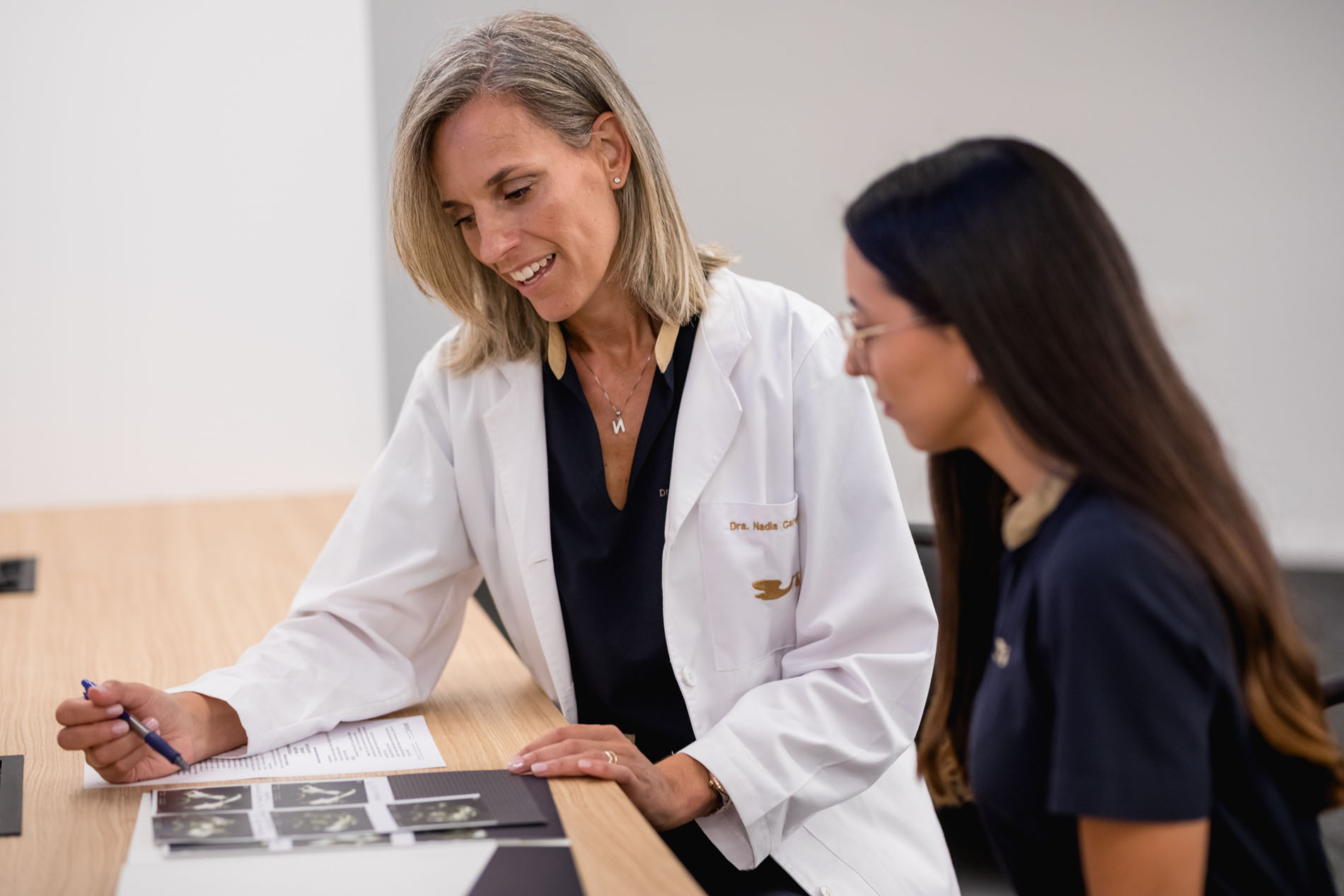
The Juana Crespo Clinic features a very demanding egg donation program. The donors are women from 18 to 30 years of age in very good health. In addition to in-depth psychological, medical, and gynecological evaluations, we carry out testing that detects the main genetic alterations (essential for proper genetic compatibility with the male).and chromosomal alterations.
At the Juana Crespo Clinic, we treat our donors with maximum care and respect and work to always ensure their safety. At the same time, the patients always have access to healthcare services.
In general, egg donation treatments always have very high rates of success, as long as other factors that could cause infertility, mainly uterine factors that hinder embryo implantation, have been eliminated.
Before transferring the embryo, at Juana Crespo Clinic we try to ensure the maximum chances of successful pregnancy by making sure that the uterus is in the best possible conditions for the pregnancy to be viable.
80%
First transfer
*Results that we deposit with the SEF (Spanish Fertility Society) and are audited and certified by an independent and verified entity: SGS
97%
Average in 1.2 transfer
*Results that we deposit with the SEF (Spanish Fertility Society) and are audited and certified by an independent and verified entity: SGS

Women with ovarian failure due to menopause.
Women with low and/or poor egg cell quality.
Recurrent failures with IVF (ICSI),
Recurrent miscarriages.
Poor response to ovarian stimulation.
Chromosomal alterations in oocytes or in embryos.
Women who have had ovarian surgery.
Women over 40 with very limited chances of pregnancy and high risk of diseases such as Down Syndrome.
At Juana Crespo Clinic, we attempt to produce pregnancy with the patient’s egg cells.
Nevertheless, there are cases where donation is the best or the only option to achieve a healthy, viable pregnancy.
In the egg donation process, it is the egg donor who undergoes the ovarian stimulation process. Once the egg cells are mature, the puncture is scheduled, and the mature oocytes are extracted to be fertilized in the IVF laboratory. After fertilization, the embryos are transferred to the recipient’s uterus, which has undergone prior preparation to enable embryo implantation.
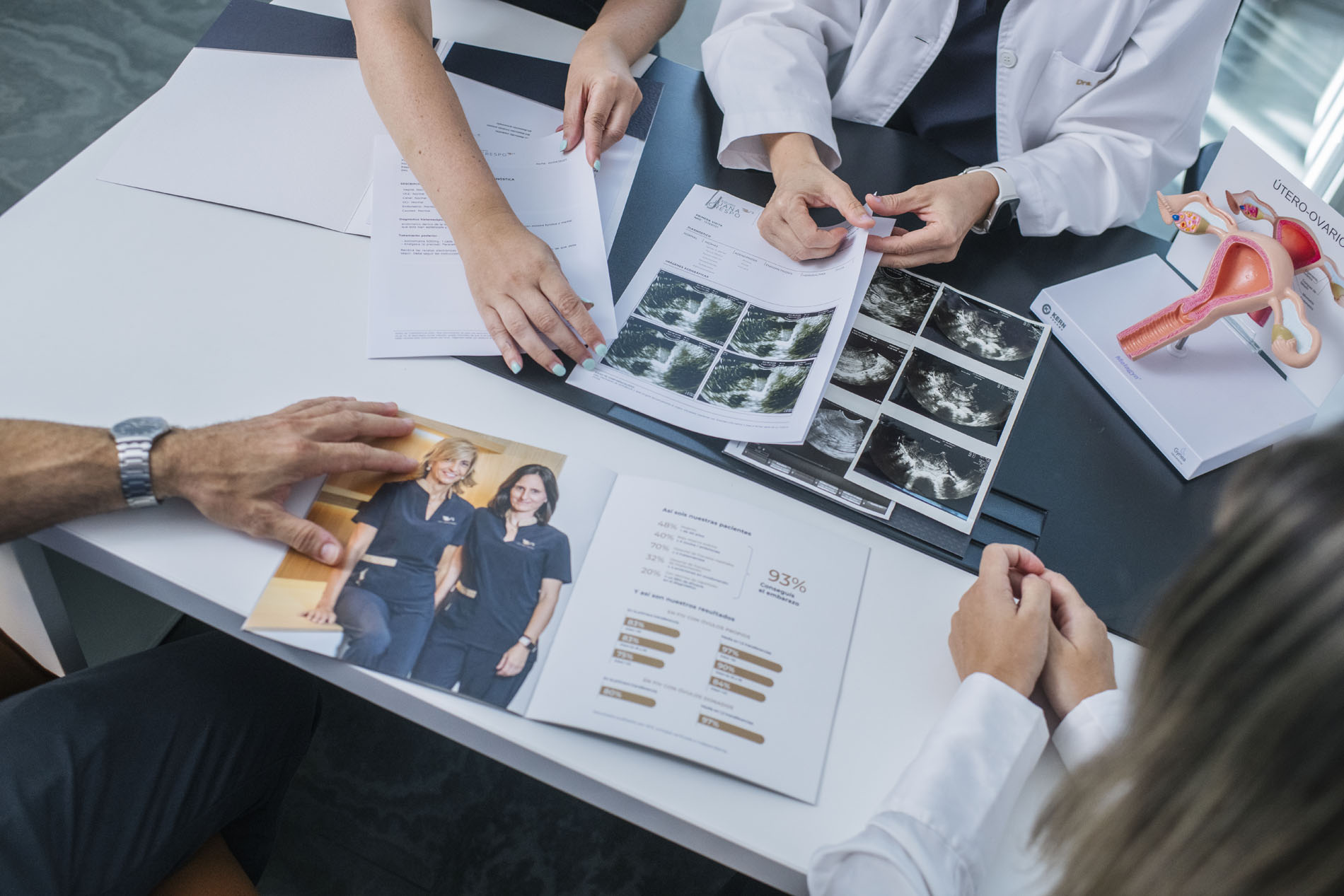
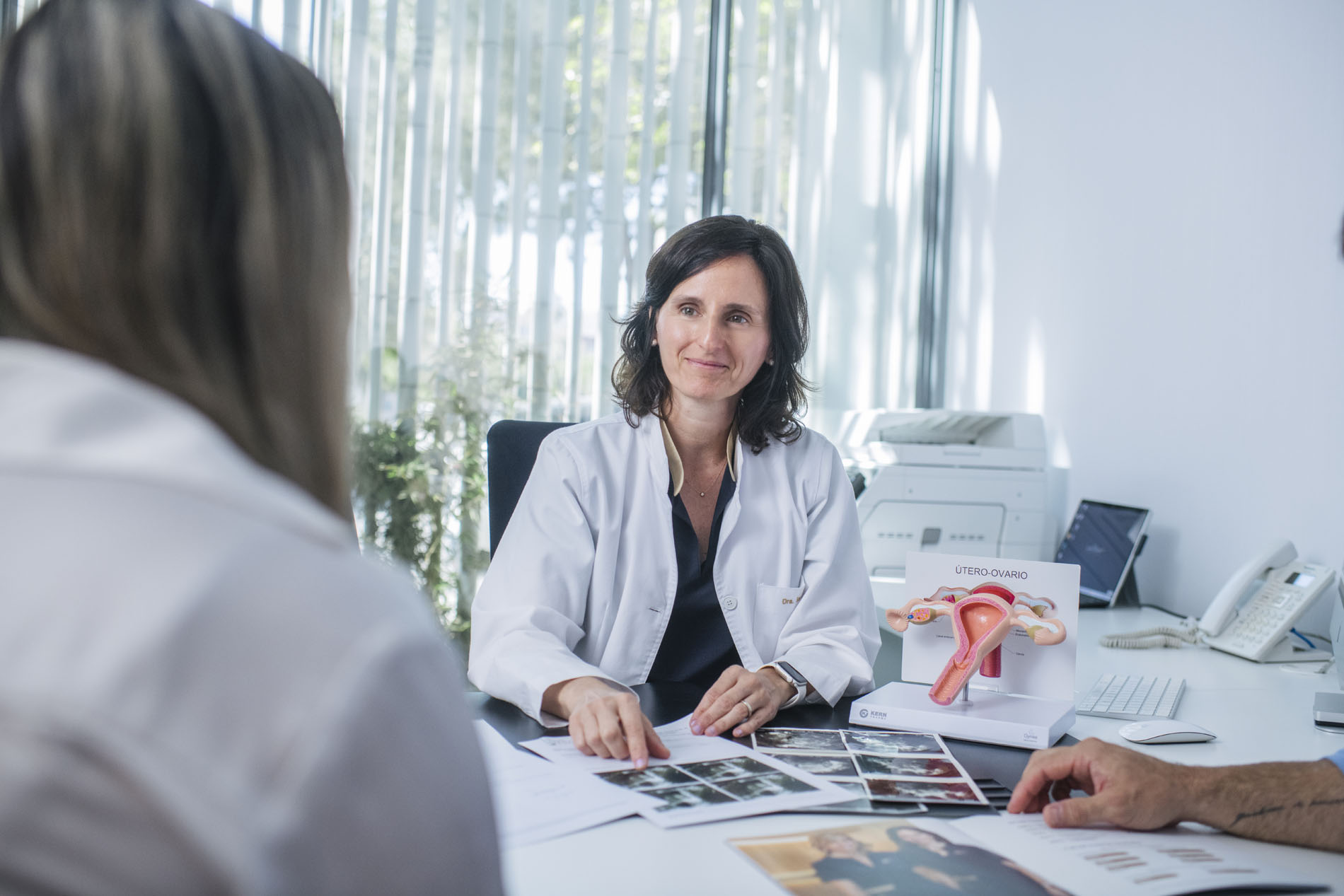
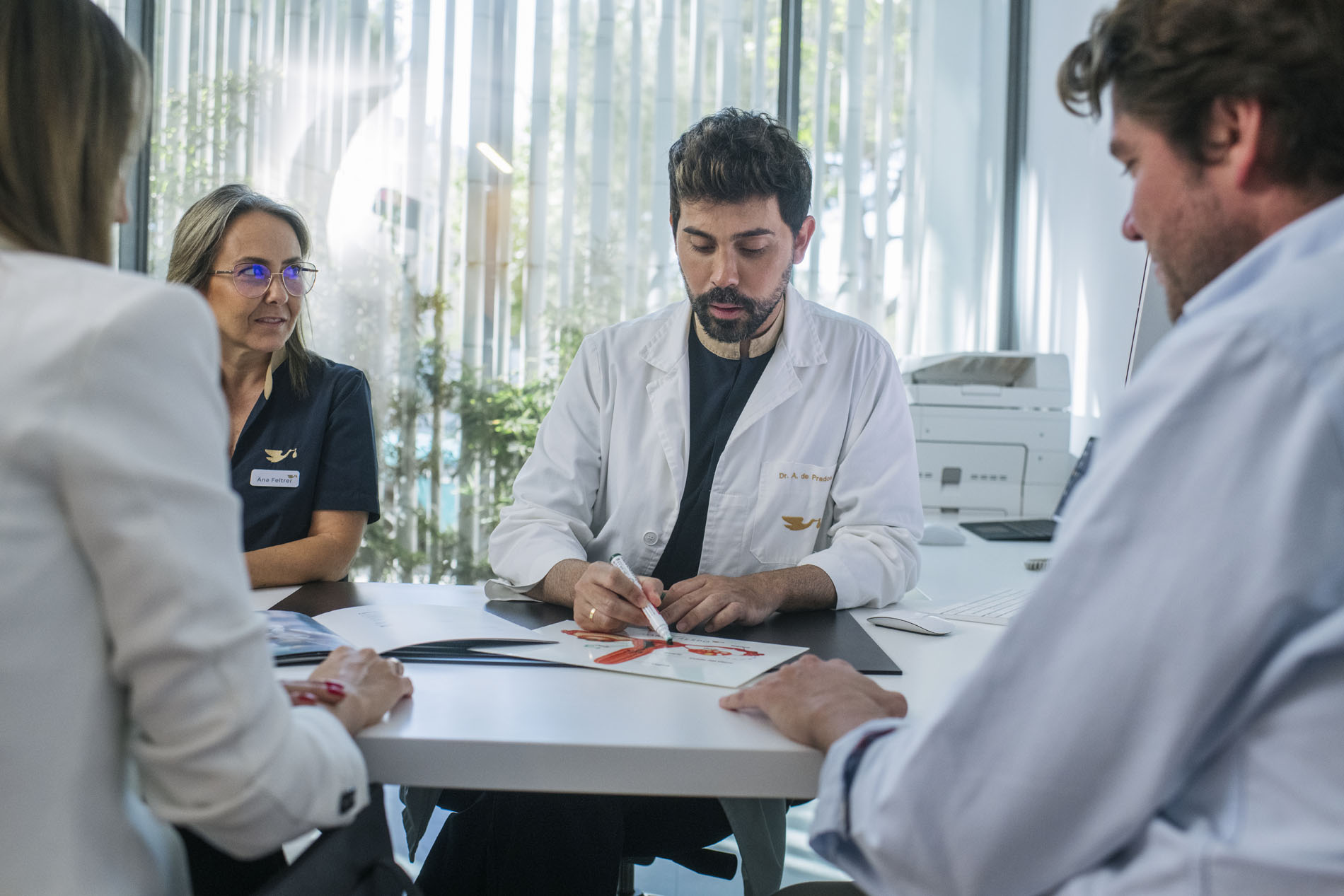
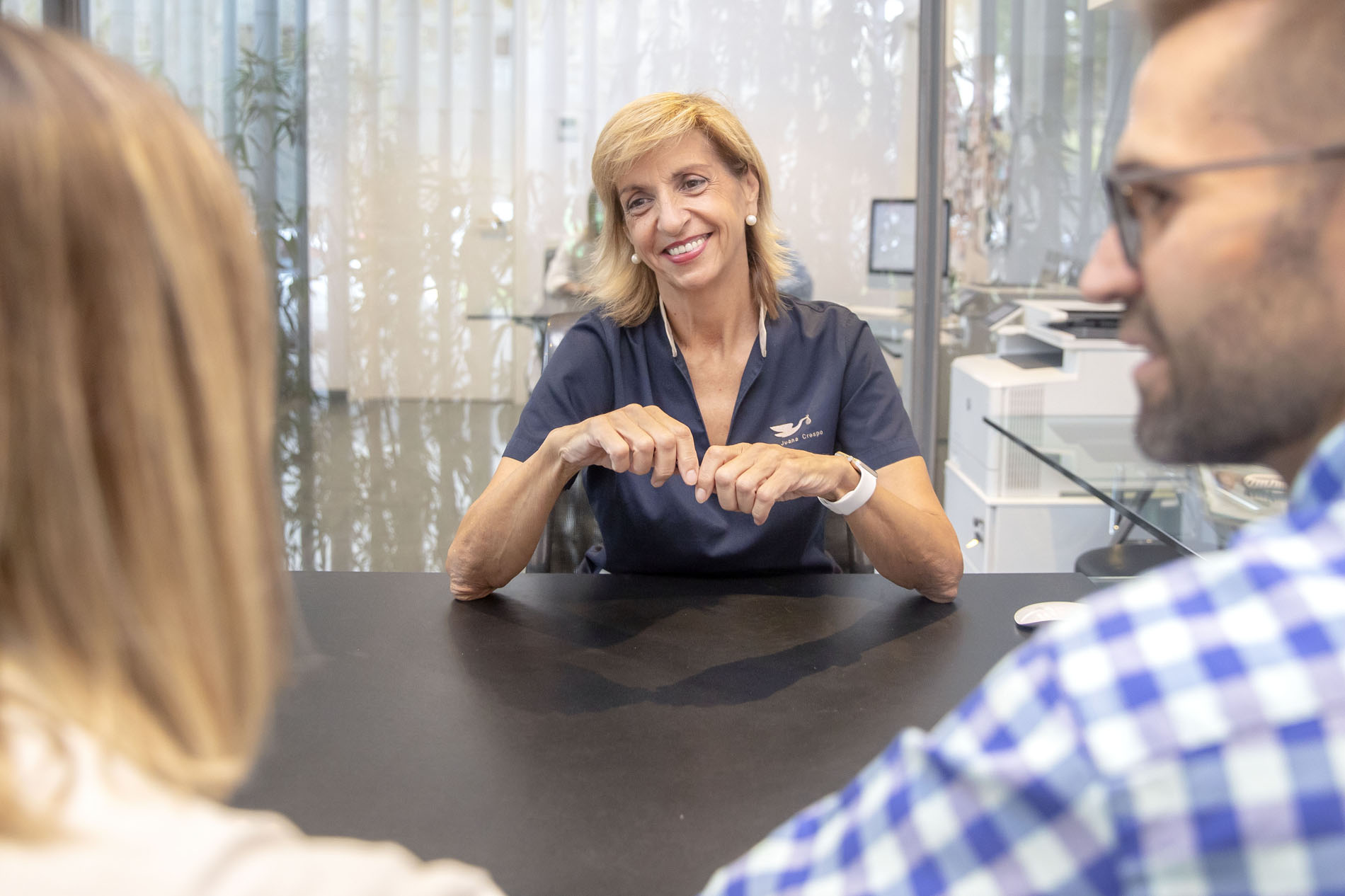
Initial appointment. We offer the most complete initial appointment, since before you arrive at our clinic, your case has already been studied and reviewed by the medical committee. At this first appointment, we will dedicate all the time and effort required to offer you a diagnosis and a treatment strategy fully customized to your individual case.
Selection and assignment of the donor. Our donor unit follows a rigorous and strict process to select the right donor.
In addition to phenotypic similarity, the donor is subjected to a process of psychological, medical, gynecological, and genetic evaluation. We carry out carrier testing on all our donors.
Puncture of the donor. After the stimulation phase, the moment has come to extract the egg cells from the donor. The customized protocols, the quality of the donors and the technology utilized ensure that the quality of the punctures in our donation programs is exceptional.
Preparation of the endometrium. Preparation of the endometrium is essential for the success of this technique. The team at Juana Crespo Clinic pay special attention to the condition of the uterus and utilize the best techniques during treatment to guarantee that the uterus is in optimal condition at the moment of the embryo transfer.
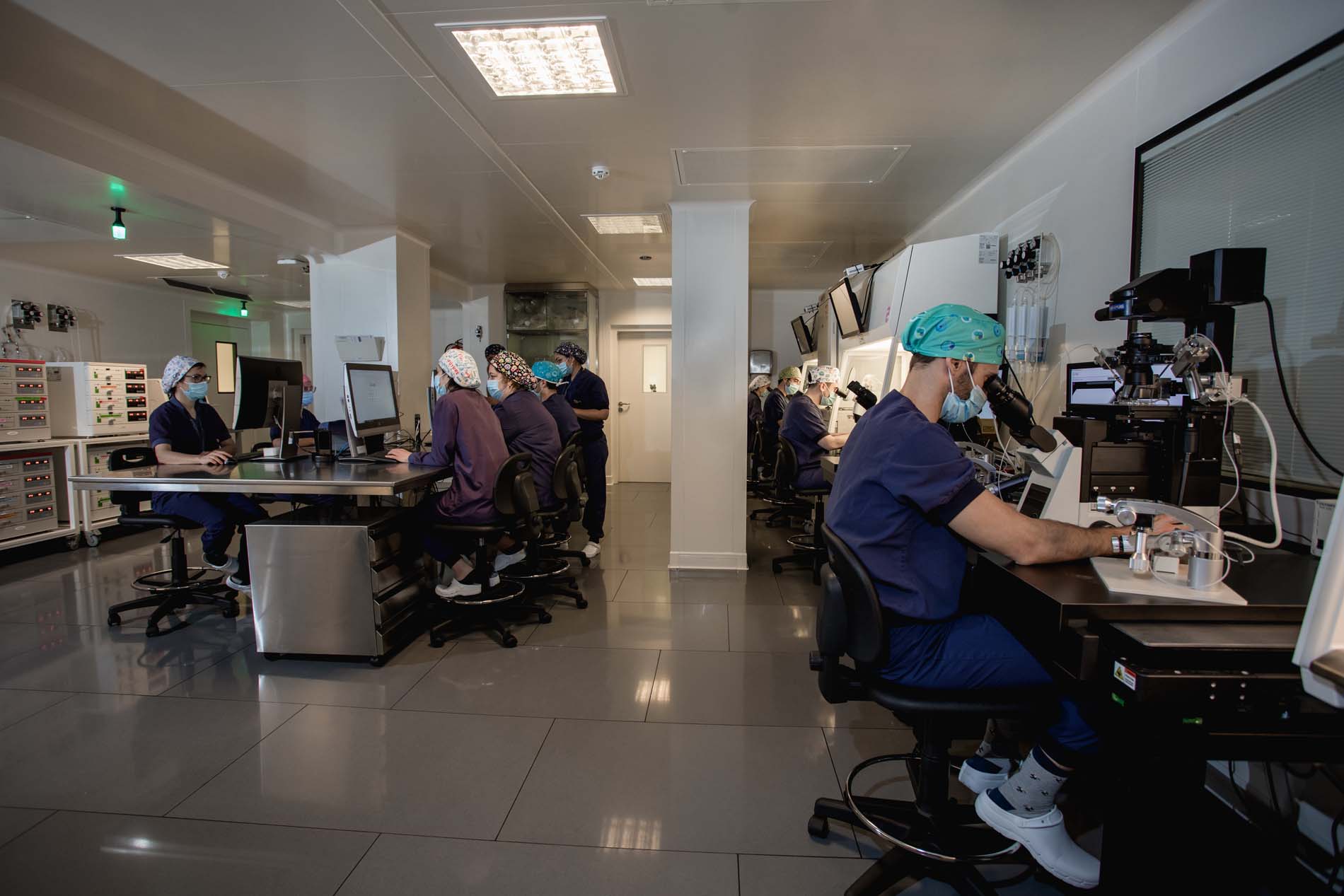
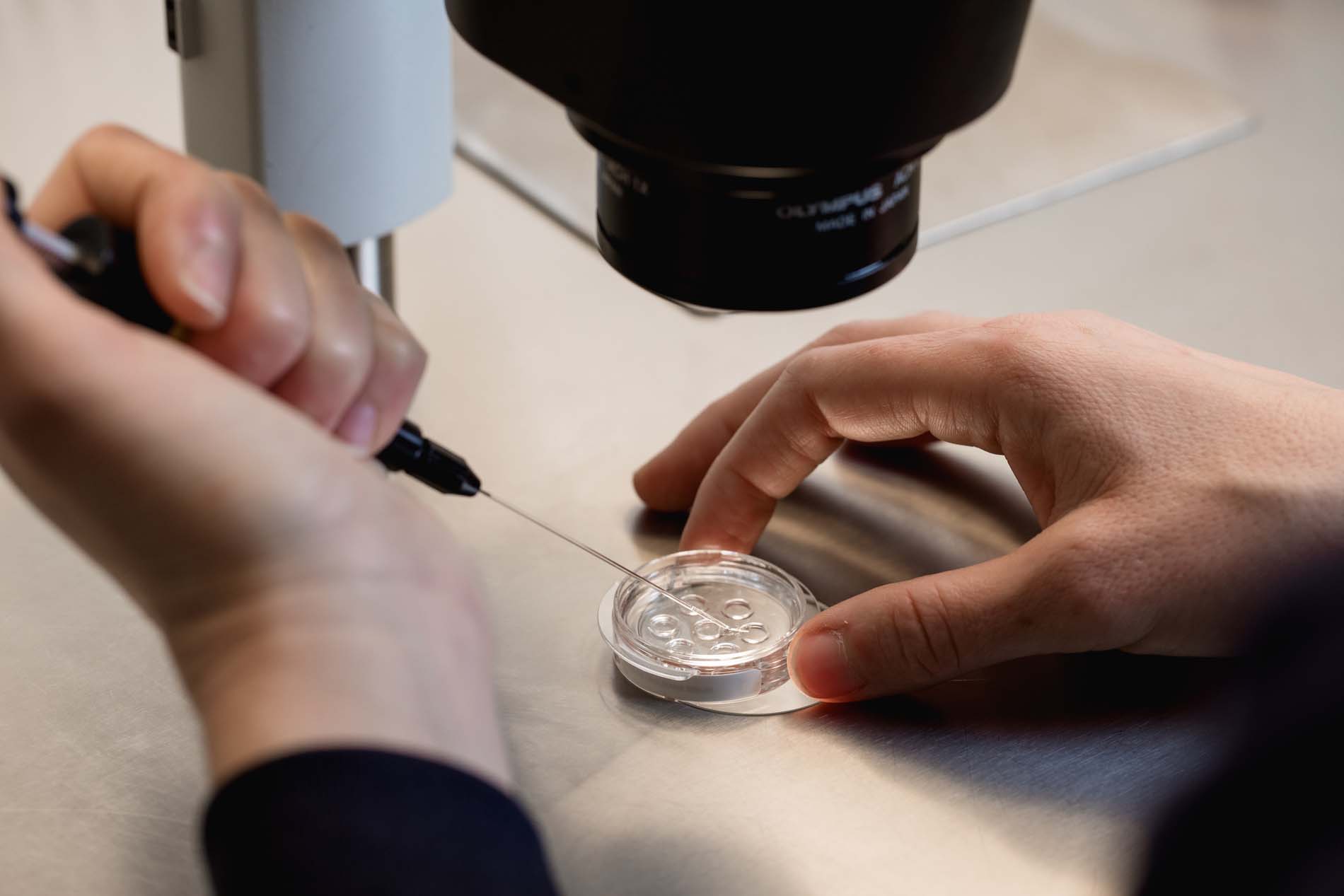
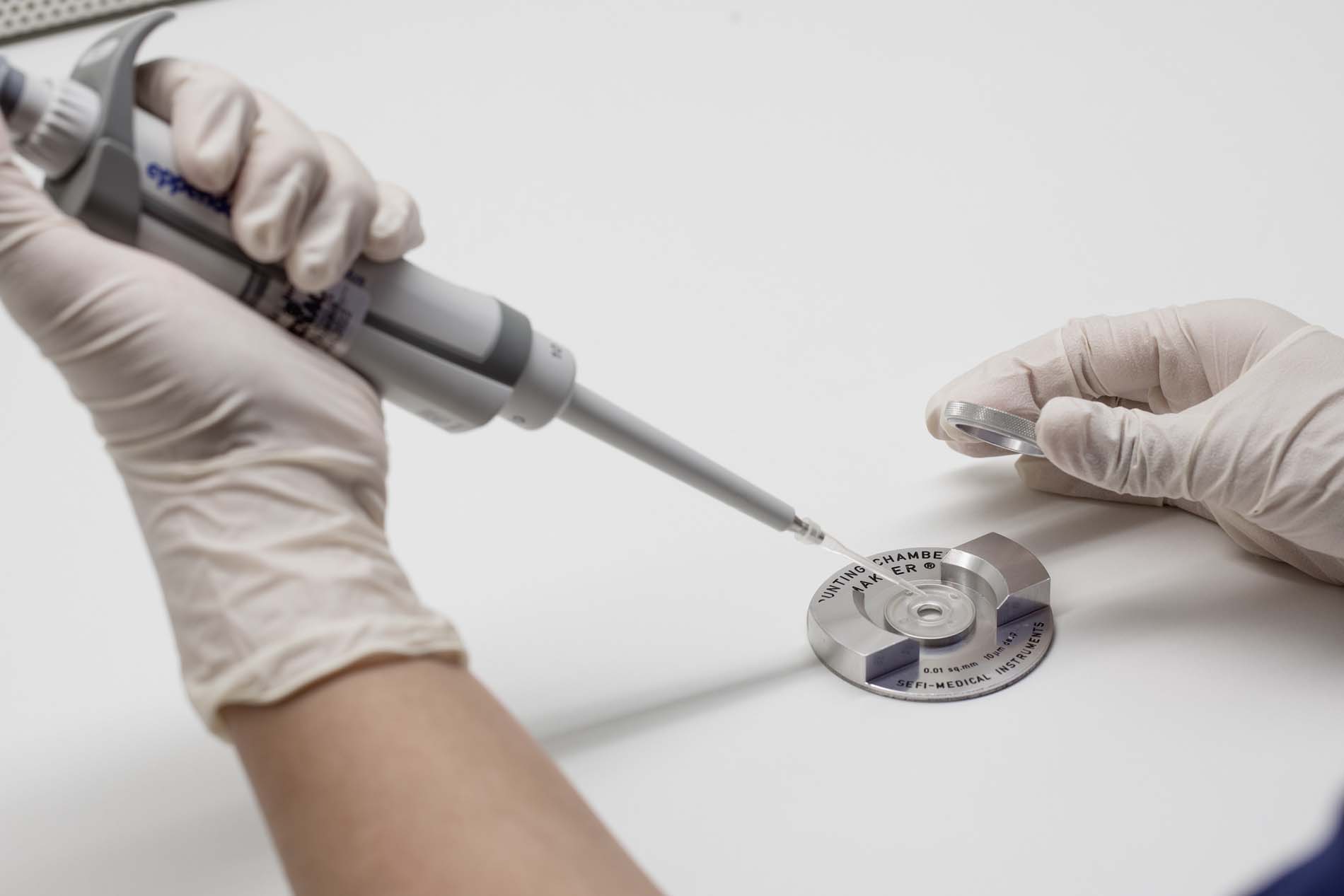
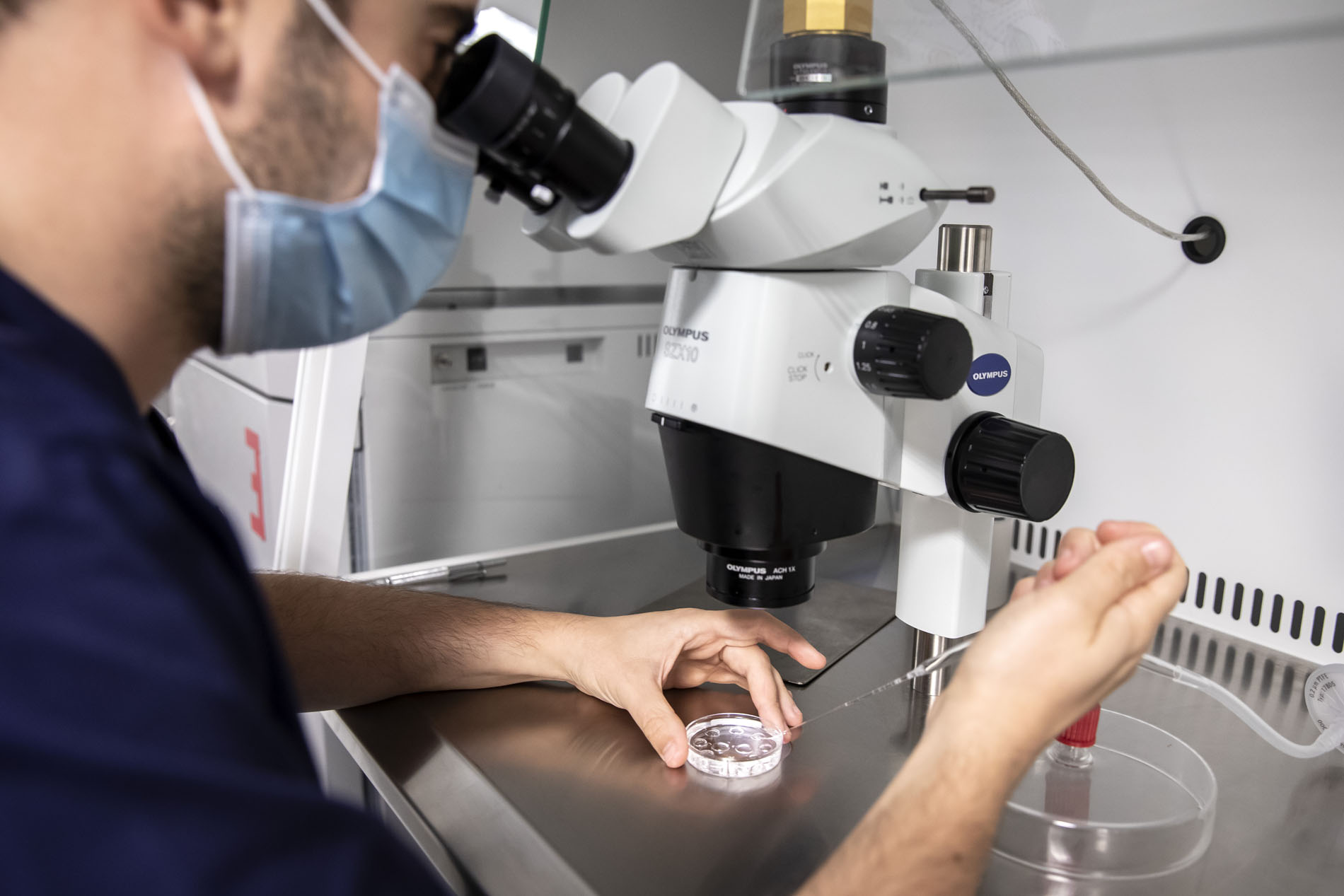
Laboratory and embryo cultivation. In IVF treatments with donor eggs, the eggs harvested from the donor are fertilized with the previously prepared sperm from the patient’s partner. If there is also a masculine factor, it is possible to resort to donor semen. Once fertilization has occurred, the cultivation process continued until reaching the blastocyst stage.
Previous ultrasound and embryo transfer
This consists of an in-depth ultrasound scan before the transfer to verify the proper condition of the uterus: access, vascularization, thickness, trilaminar structure, etc.
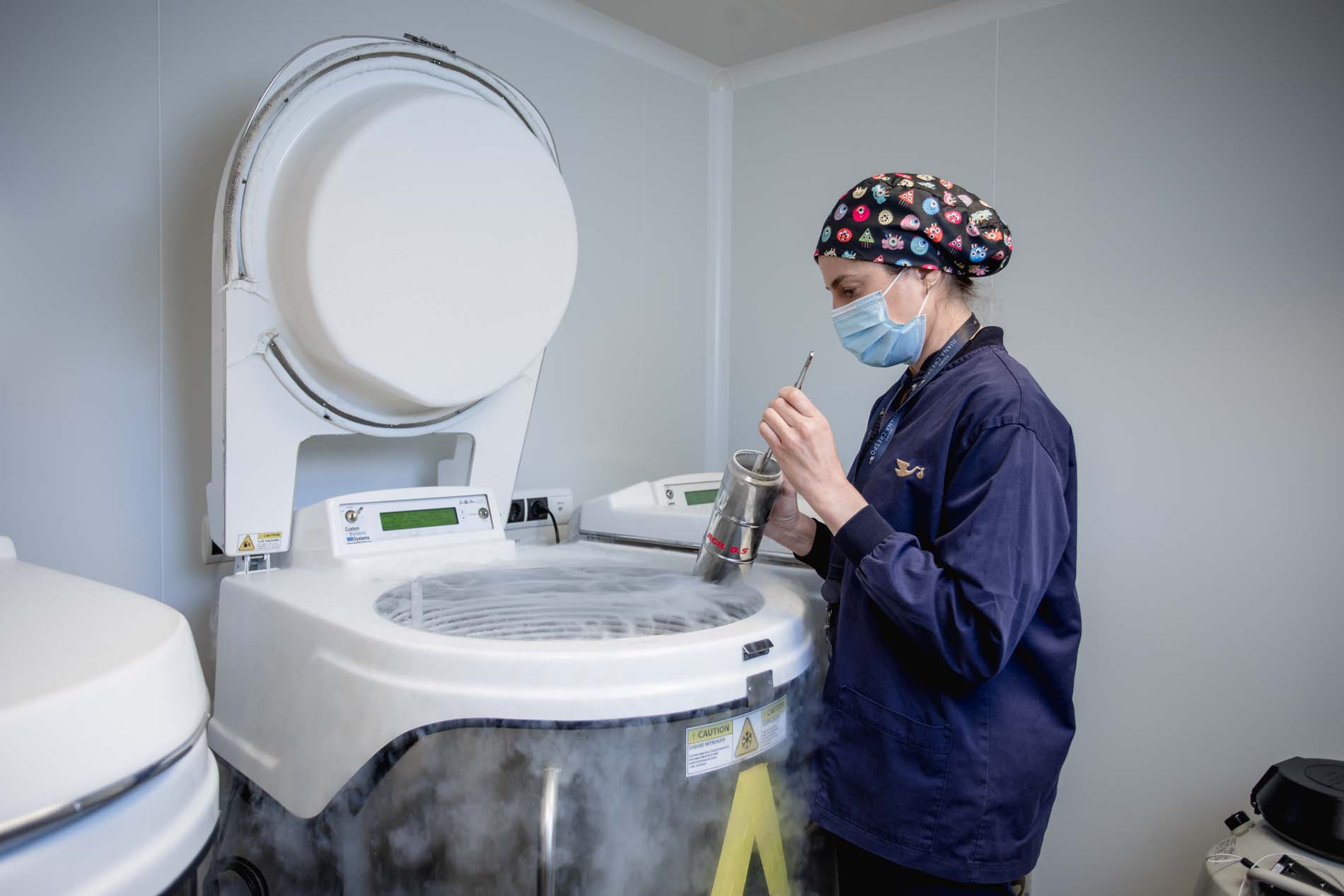
If everything is in proper order, the next step is the embryo transfer, in which the embryo formed in the IVF laboratory is deposited in the woman’s uterus so that it can implant, resulting in pregnancy. The excess embryos will be cryo-preserved for future use.
After 10 or 11 days have passed since the embryo transfer, a blood test is carried out to detect small quantities of the hormone beta-hCG (human chorionic gonadotropin).
Appointment with ultrasound for granting clearance for pregnancy
After 8 or 9 weeks, we arrange an appointment with the patients. At this appointment, an ultrasound is carried out to view the gestational sac. We hand over to the couple all guidelines and reports, and the patient is discharged.
At the Juana Crespo Clinic, we have a viable pregnancy rate of 82% for egg donation treatments.
Humans have two copies of each gene in their DNA, one inherited from the father and one from the mother; these genes carry our genetic information. But it is our lifestyle—our diet, exercise, and so on—that determines which genes are expressed and which are not, allowing for thousands of combinations, even among members of the same family.
In Spain, the law guarantees the anonymity of both the donor and the recipient, so neither will ever know the other’s identity. All donors at our clinic undergo medical and psychological evaluations. Furthermore, thanks to genetic screening, we can determine if they carry any genetic disease that could be passed on to their offspring, in which case we reject them.
Doubts about physical resemblance are common. The specialist selects a donor who shares the same phenotype as the recipient, that is, the same physical features (hair color, eyes, complexion) and a compatible blood type.


