ejc_loader
  • Blog
  • LET'S TALK?

RPO Method

With this type of shared motherhood, both women in the couple are a fundamental and crucial part of the success of the treatment, and both will be biological mothers.

What is the ROPA Method?

With the RPO method, reception of partner’s oocytes, one of the women becomes the birth mother by carrying the pregnancy, while the other is the biological mother, providing the egg cell that will be fertilized with donor sperm.

Shared motherhood
with the RPO method

At the Juana Crespo Clinic, as in all other cases,
the RPO method protocols are highly customized
to each individual patient.

And so, in order to always ensure the greatest chances of successful pregnancy,
we conduct an in-depth examination of both women, offering a recommendation,
according to criteria that would lead to success, on which woman should be
stimulated and which should carry the pregnancy.

RPO method:
procedure

At Juana Crespo Clinic, we work out a strategy for the cycle based on the two women who form the couple.

The RPO method is a lovely way for both women who are partners to experience and take part in the process of achieving the pregnancy.

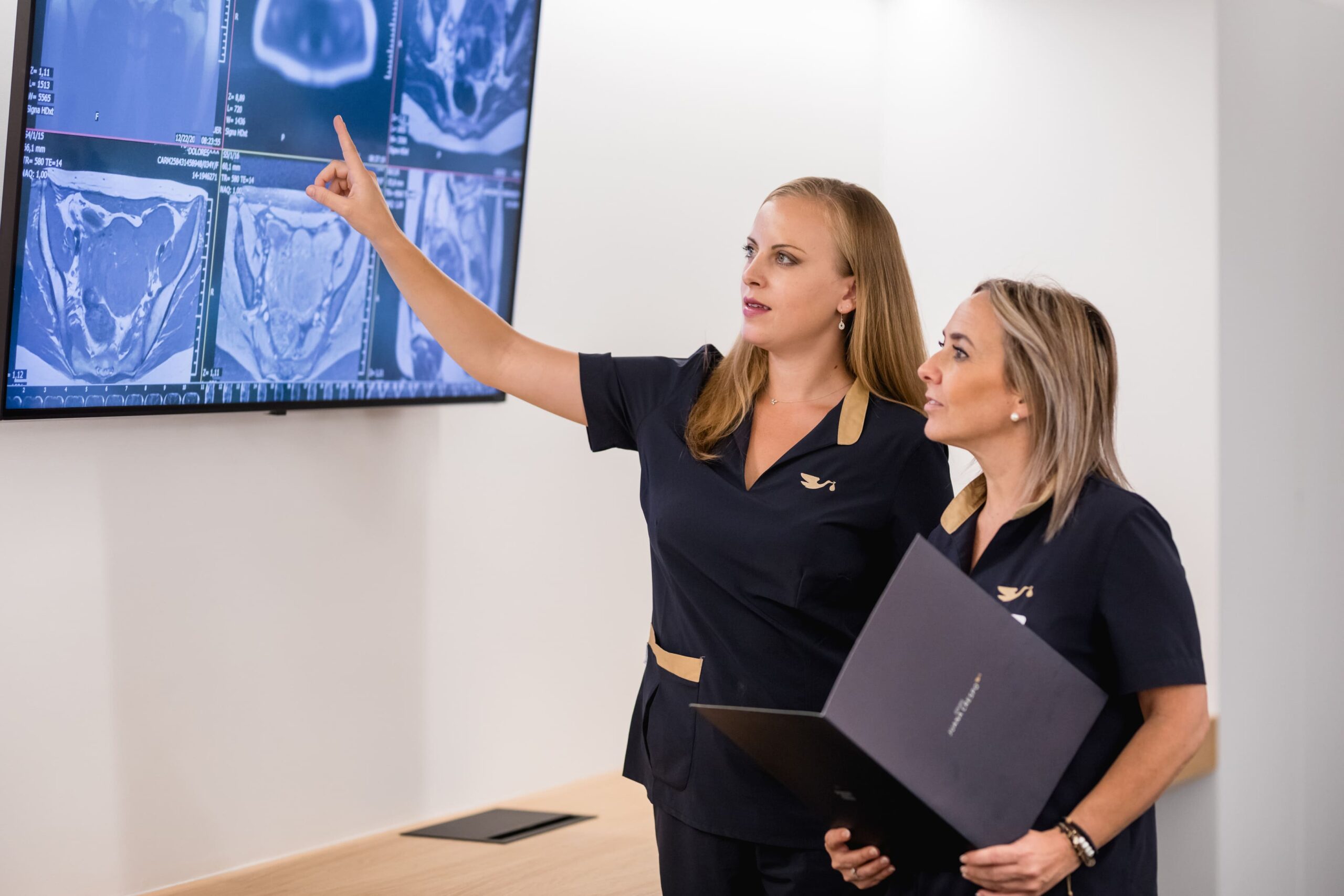
Our professionals evaluate the reproductive status of both women, i.e., ovarian reserve, quality of the egg cells, condition of the uterus and other issues, in order to ensure the greatest chances of success.

After this in-depth study, the specialist will develop a customized stimulation strategy for the biological mother and a strategy of endometrial development and embryo transfer for the mother carrying the pregnancy.


At the end of the process both women will be biological mothers, each playing a fundamental part in this family model.


When the RPO method
is recommended

Pursuant to a subsequent extension of the Assisted
Reproduction Act 14/2006, the parental status of the
woman who provides the egg cell is recognized, and
hence the Law recognizes the motherhood of both
women:

“When one woman is married to the other woman, and not legally separated or separated de facto, the latter may file a declaration of consent with the Civil Registrar so that when the child of her spouse is born the parental status of the child born is decided in her favor.”

The RPO method, like IVF treatment with own egg cells, depends on:

-The age and ovarian reserve of the woman who will provide the egg cell
-The condition of the uterus of the mother carrying the pregnancy
-Possible antecedents of genetic diseases

At the initial visit, we carry out an in-depth evaluation of both women to determine a treatment strategy that will lead to the best results.

In addition to the RPA method, women without partners or with a non-stable partner can opt for single motherhood using Artificial Insemination or In Vitro Fertilization with donor sperm or even with embryo donation.

Sperm donor

In the RPO method, the egg cell of one of the women is fertilized with donor sperm. As is also the case with single mothers, the sperm donation is completely anonymous and confidential.
The specialist selects the sperm donor considering the phenotype (race, physical constitution, hair type and hair and eye color, etc.) and the blood group compatibility.
To become a sperm donor, the man must pass through an exhaustive medical exam, including the following tests:

  • Analysis of the semen sample (mobility, morphology, concentration…).

  • Blood and serology analyses (HIV, hepatitis, etc.).

  • Exhaustive physical examination.

  • Psychological evaluation. 

  • Test for freezing and thawing of the sample.

  • Karyotype

  • Carrier testing.

In addition, a genetic study of the donor,
known as Carrier Testing, is carried out.
This test detects the possible genetic
alterations and/or mutations in the donor.

For this genetic testing to be effective, the woman who is going to provide the egg cell must also go through this carrier testing, since in this manner we can detect and hence prevent that the future baby is born with any of the more than 300 hereditary diseases that carrier testing studies.

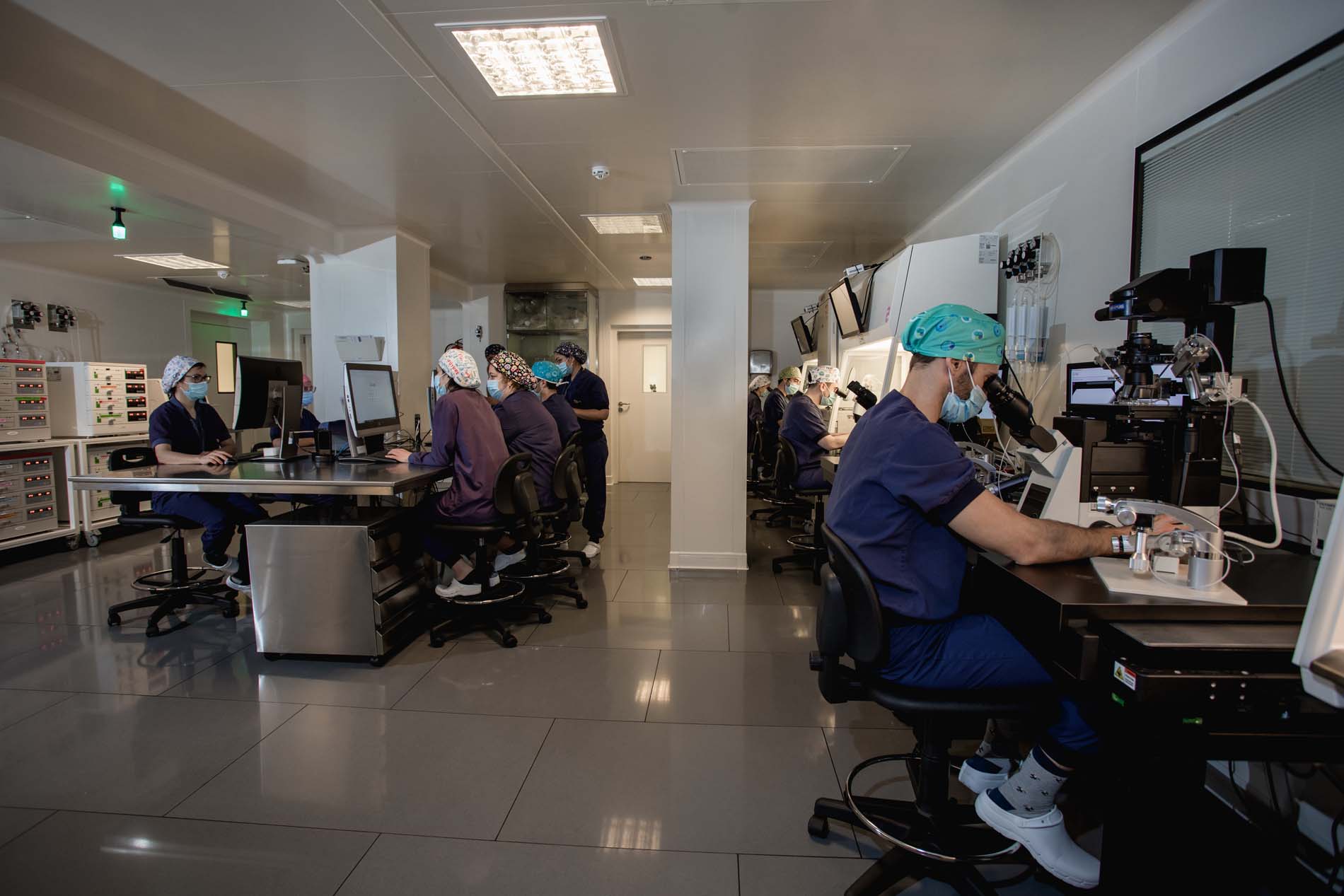
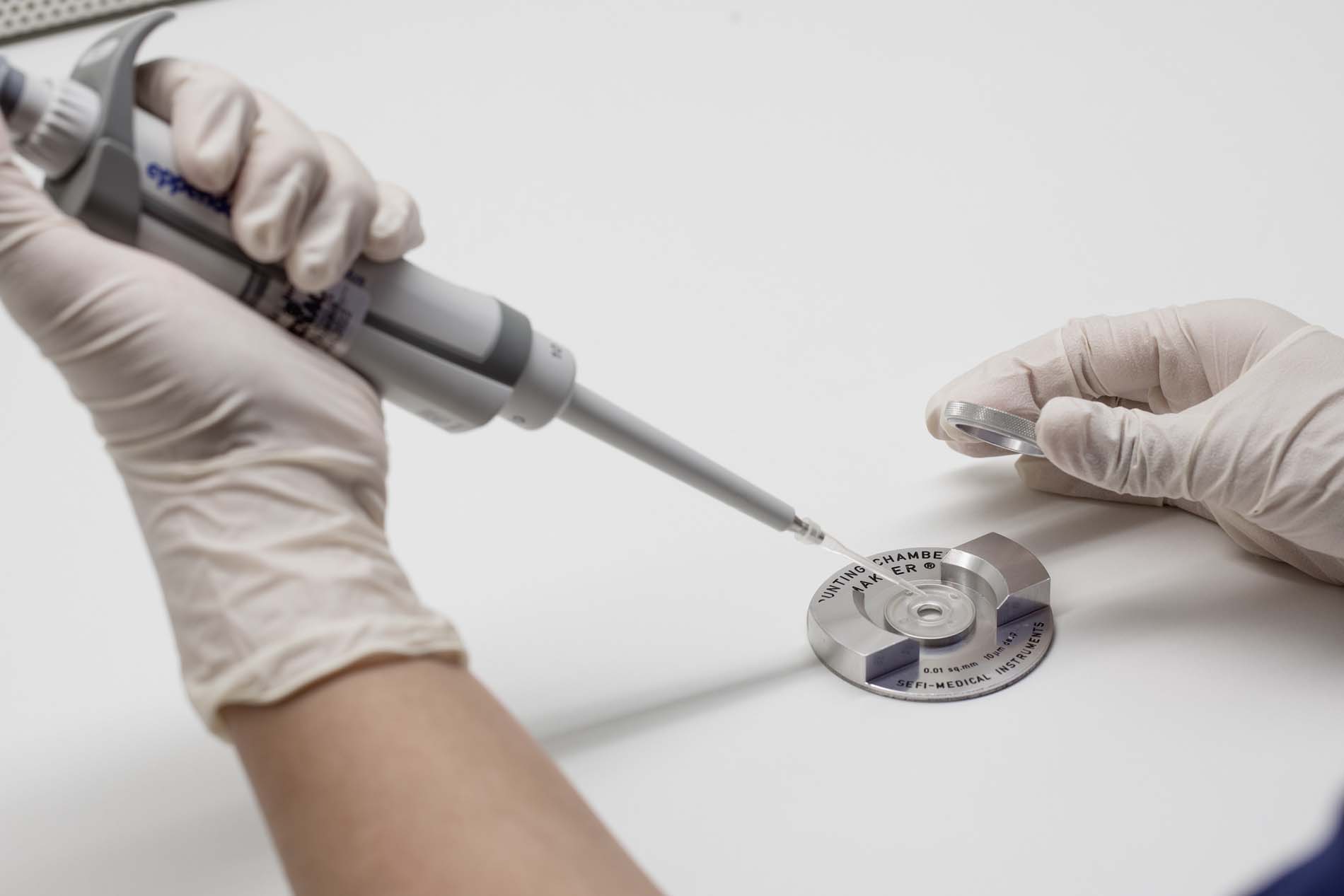
By taking all these steps, when the sperm sample arrives at the IVF laboratory of our clinic, we can guarantee that it is optimal in all respects and that it meets the highest standards of biological and genetic safety.

What is the procedure for
the RPA method, step by step?

Initial appointment

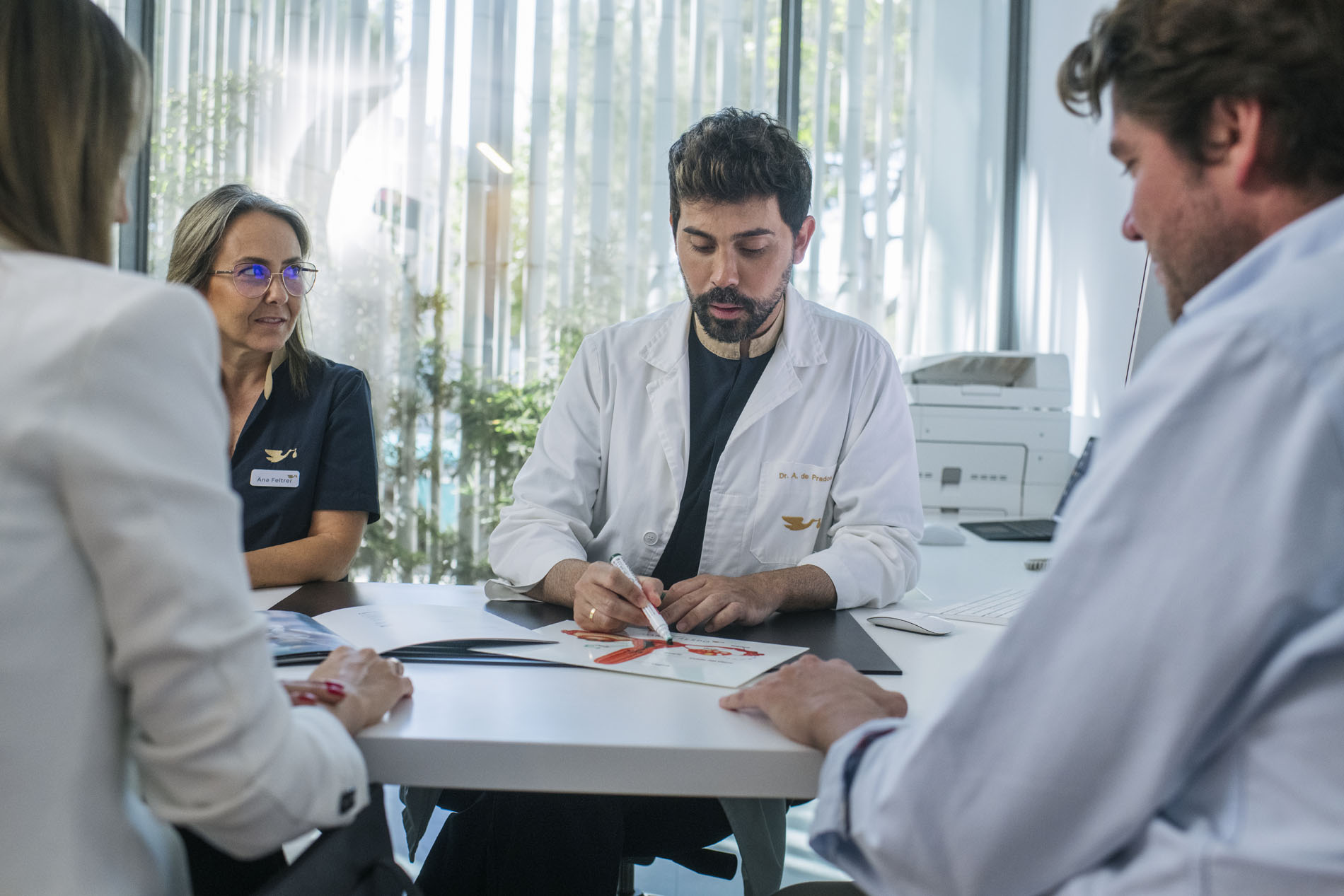
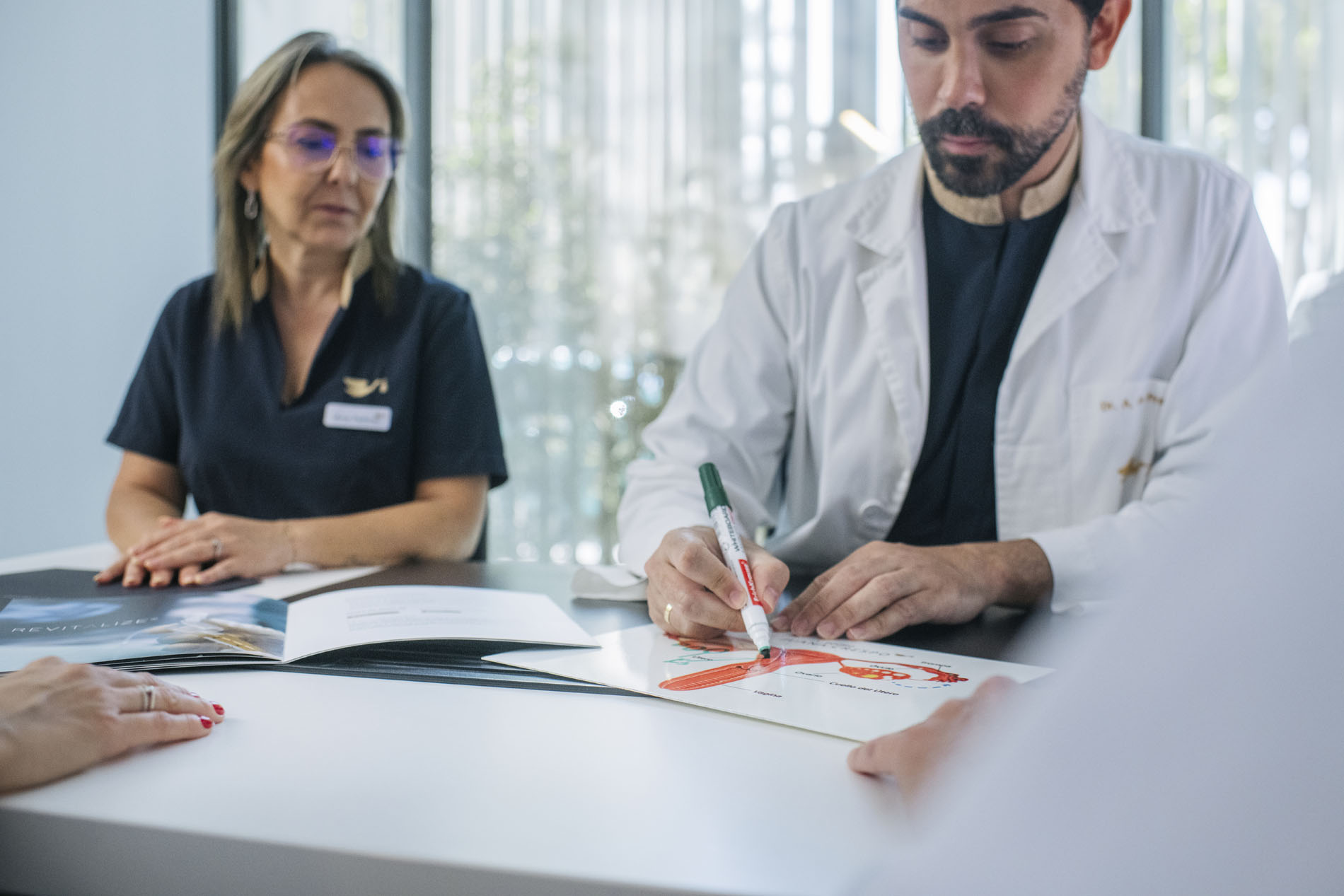
At the initial appointment, our specialists conduct an in-depth exam of the two women who are partners, and a treatment strategy is developed that is oriented toward both women taking part in the motherhood process. This is when the search for a sperm donor begins.

Ovarian stimulation

With the RPA method, one of the future mothers will undergo ovarian stimulation. For a time, this patient will receive hormone medication to stimulate the ovaries and obtain the greatest number of mature oocytes. During the stimulation phase, we will carry out 3 or 4 ultrasound checks.

Puncture

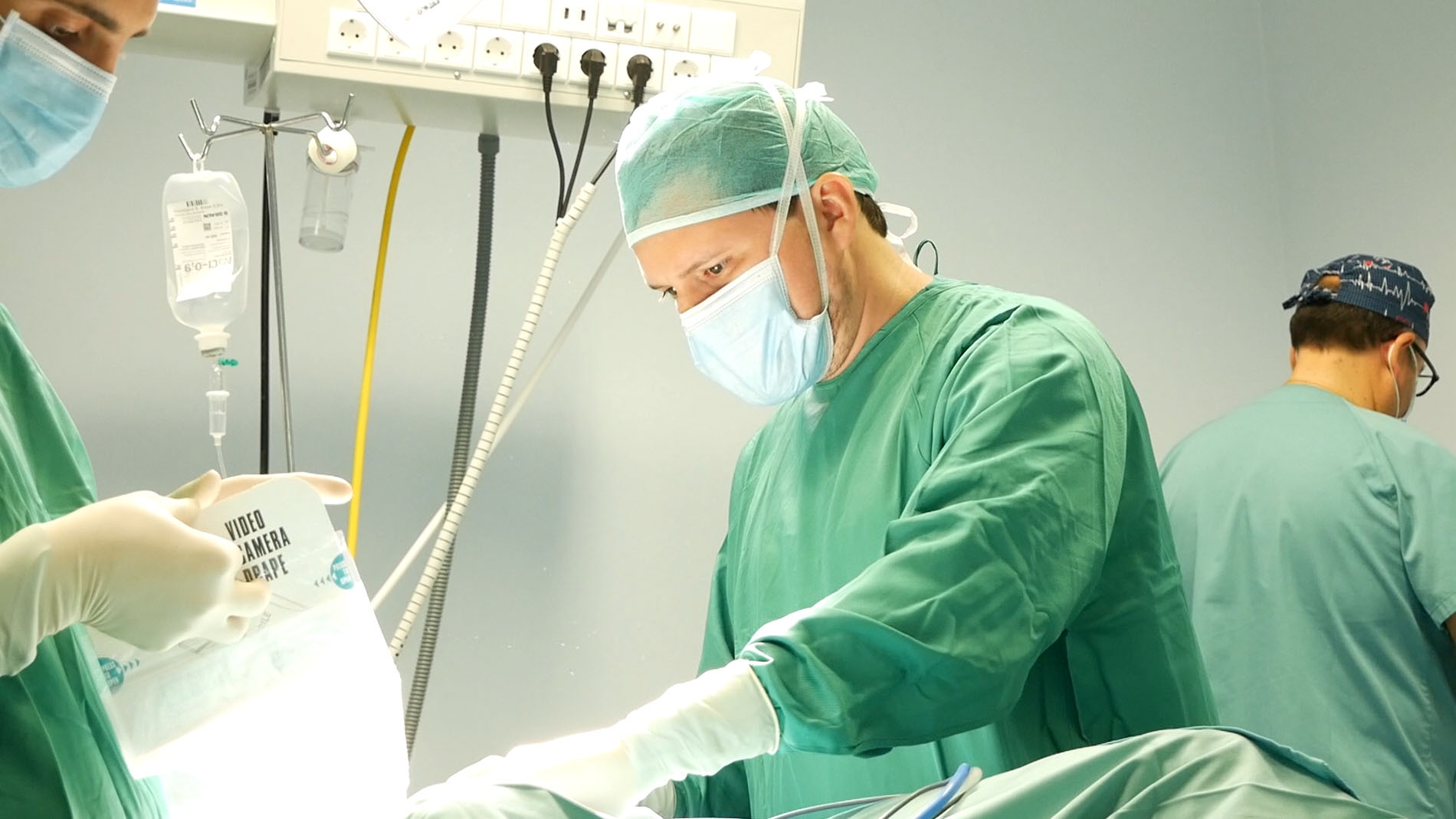
Surgical procedure that requires sedation, in which the specialist aspires the mature follicles (cellular structures that contain the egg cells) in the woman’s ovaries, which will be fertilized in the IVF laboratory.

Laboratory and embryo cultivation

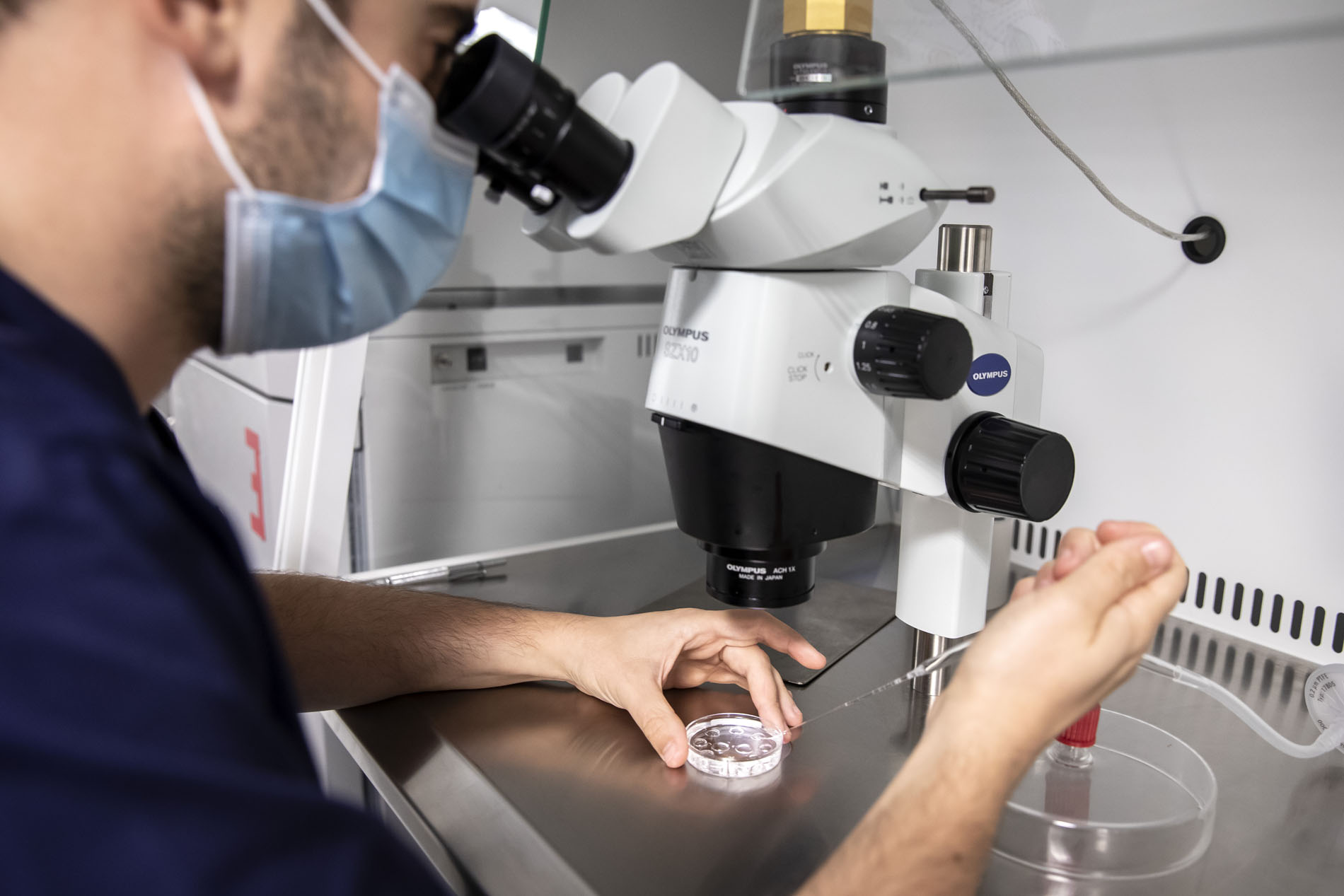
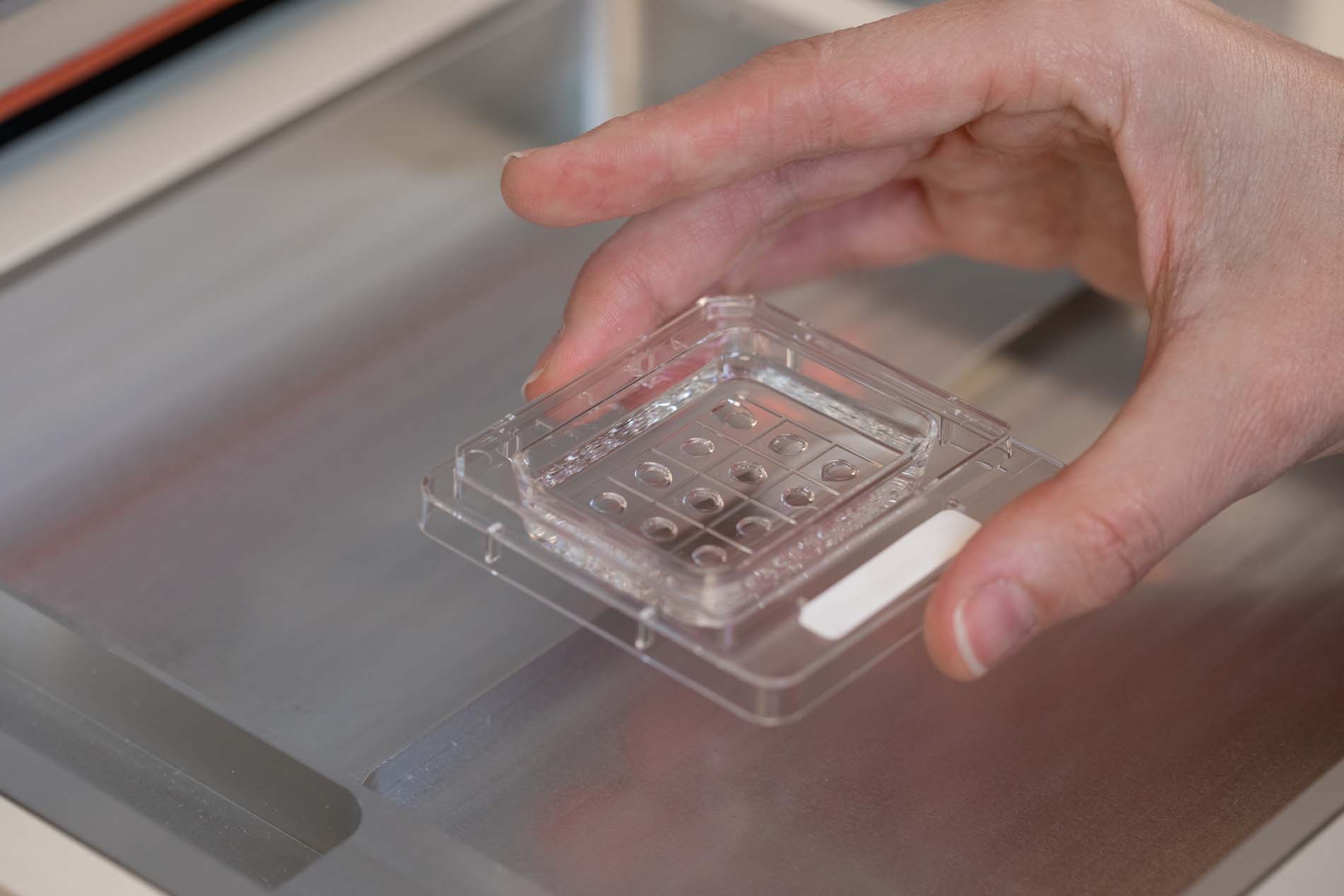
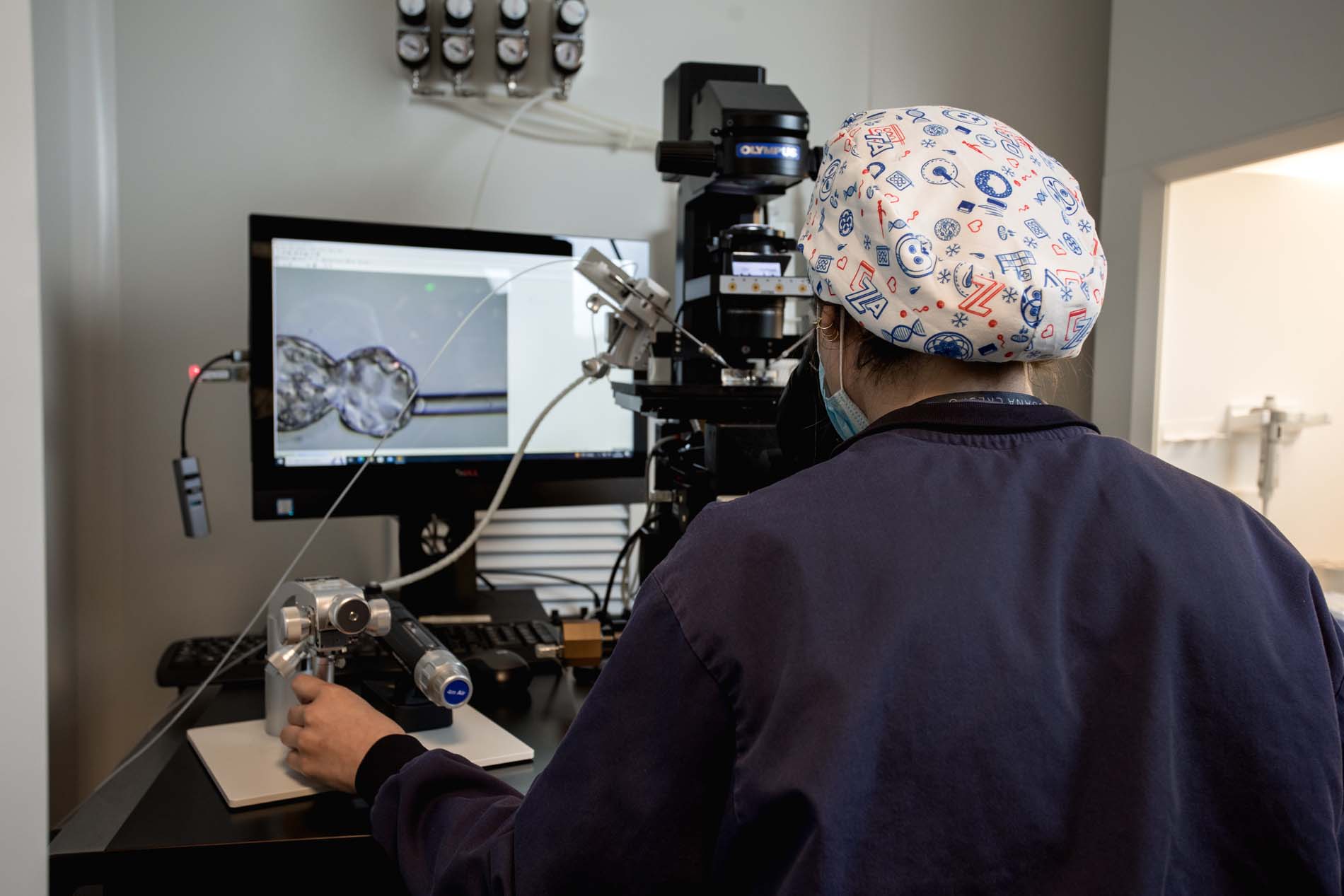
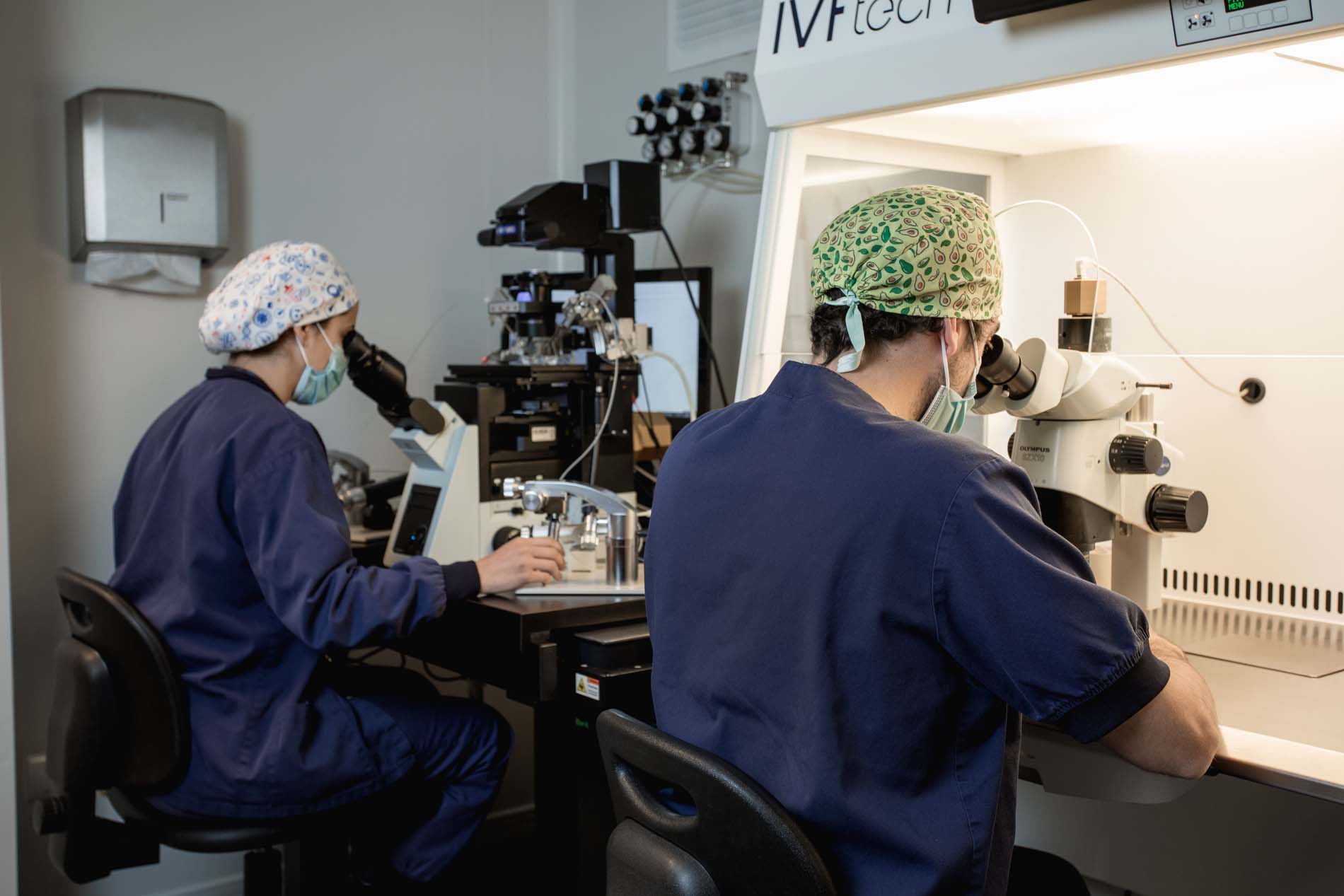
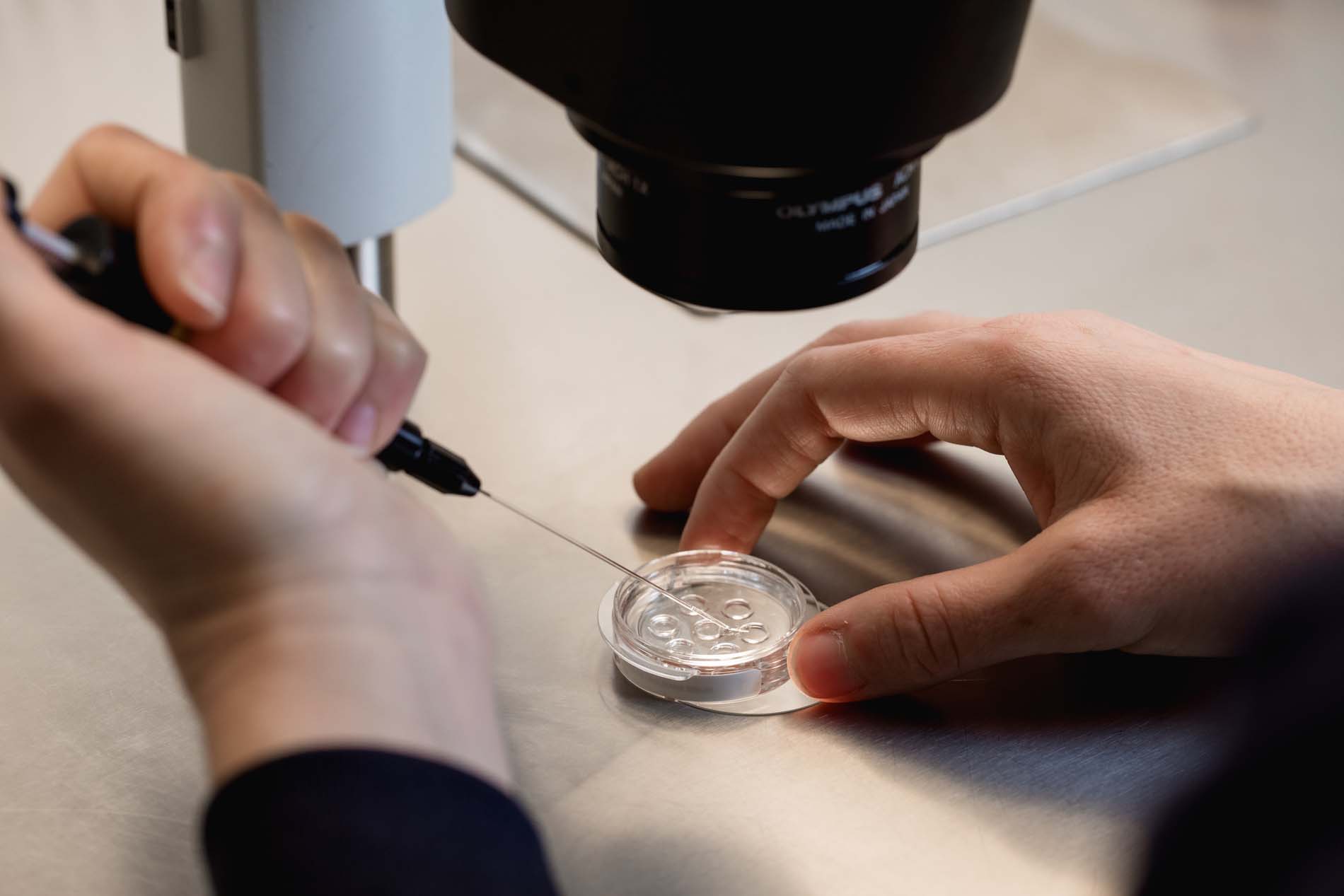
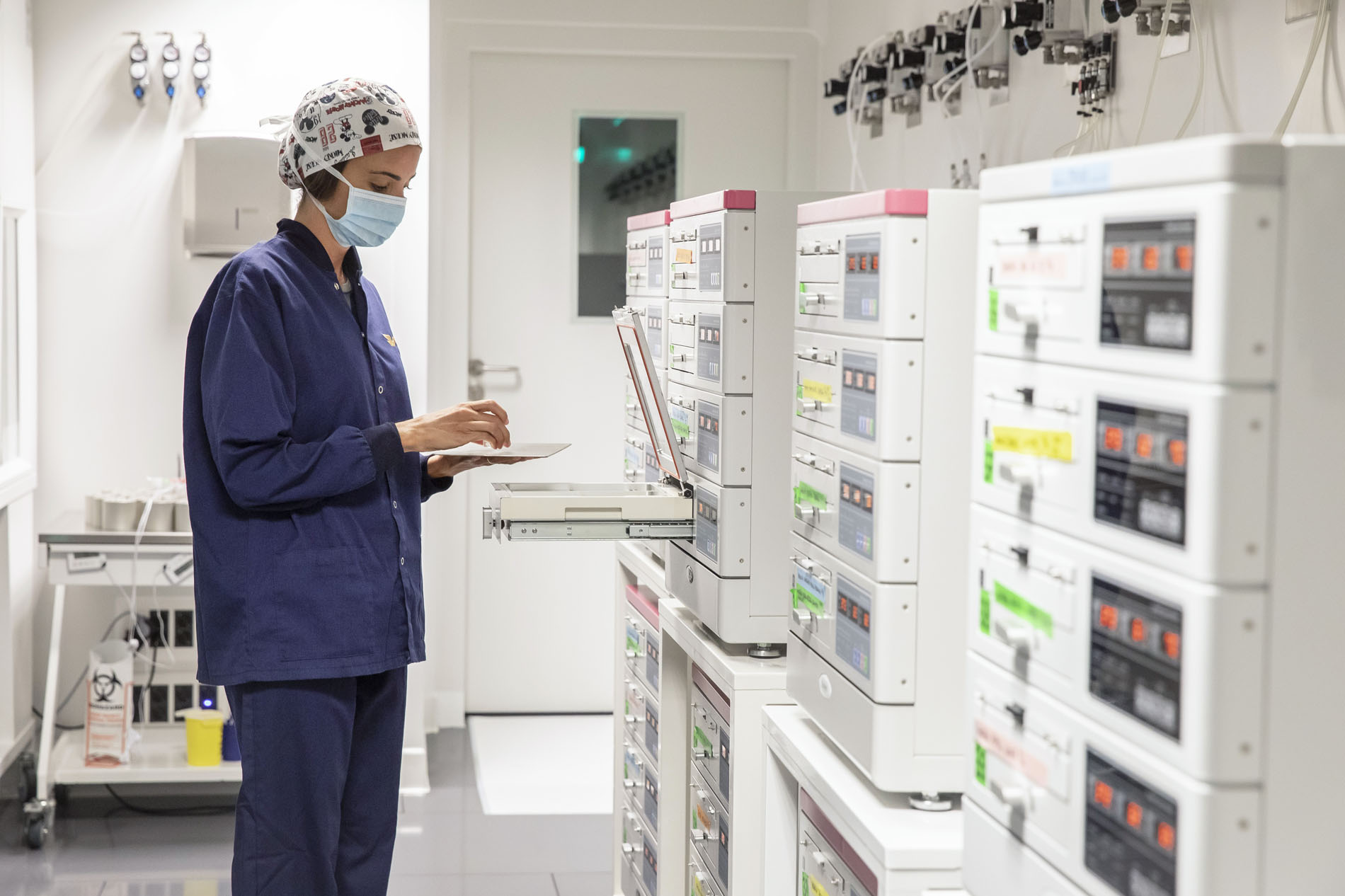
Once the puncture has been made, the egg cells harvested are fertilized at our IVF laboratory with donor sperm. The sample of donor sperm undergoes prior preparation and is subjected to the strictest medical controls, as well as to genetic testing for carriers of recessive genetic diseases.

Fertilization is carried out with the IVF/ICSI technique, and the next step is to cultivate the embryos harvested after fertilization.

Preparation of the endometrium

Preparation of the endometrium is fundamental for achieving embryo implantation in the uterus of mother carrying the pregnancy. It consists of preparing the endometrium so that the thickness, appearance, vascularization etc. are best suited for embryo implantation.

Previous ultrasound and embryo transfer

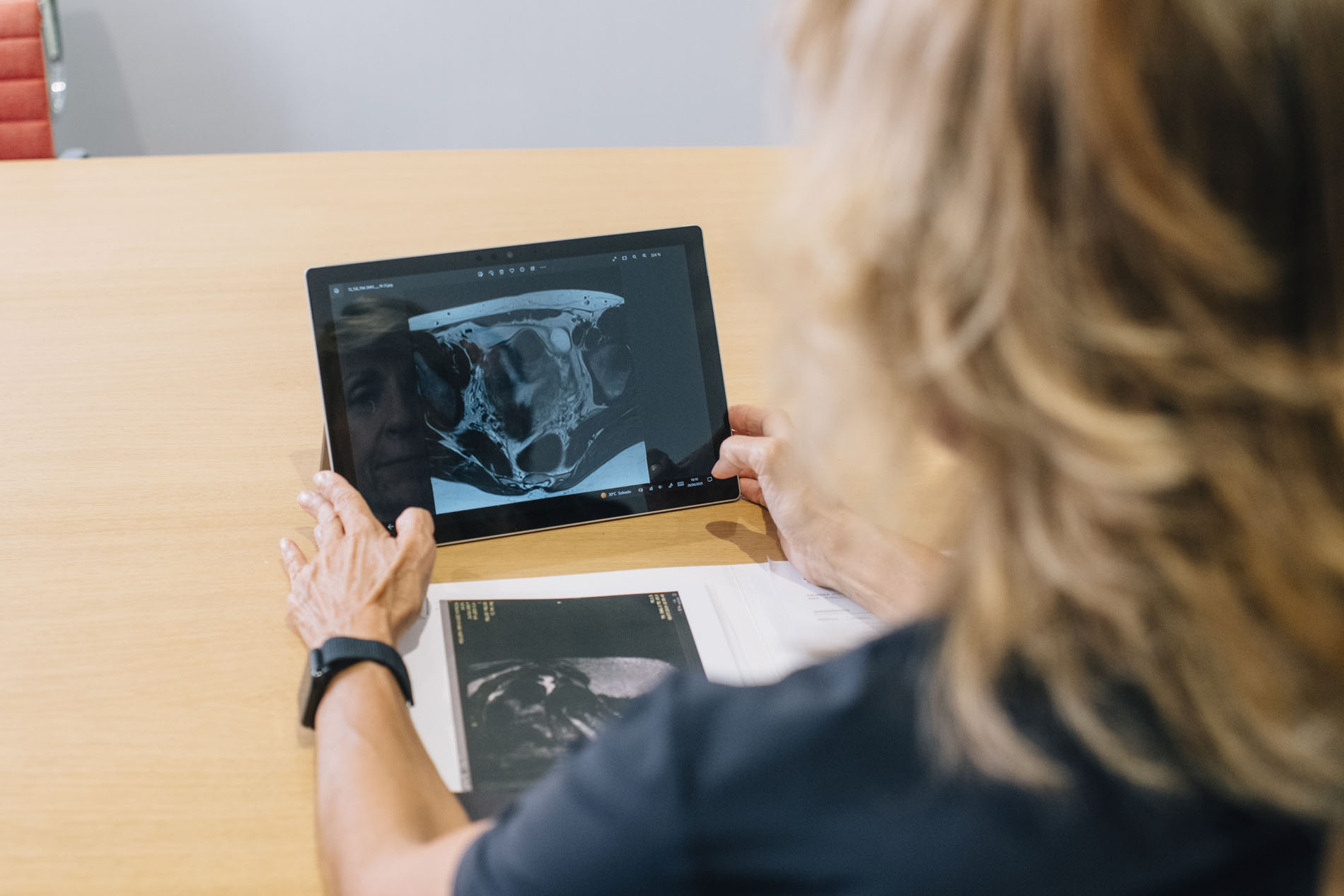
This consists of an in-depth ultrasound scan before the embryo transfer to verify the correct conditions of the uterus: access, vascularization, thickness, trilaminar structure, etc.

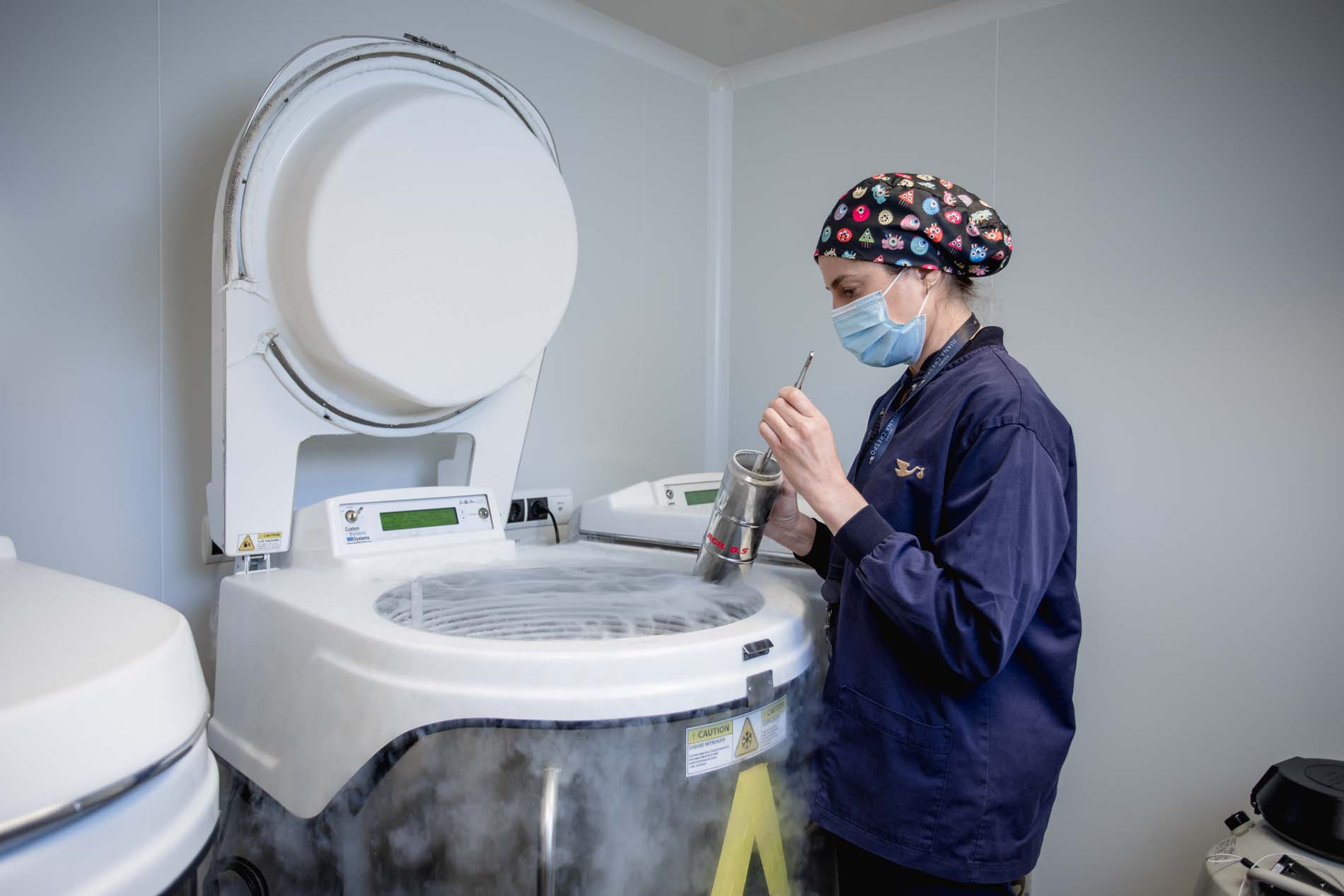
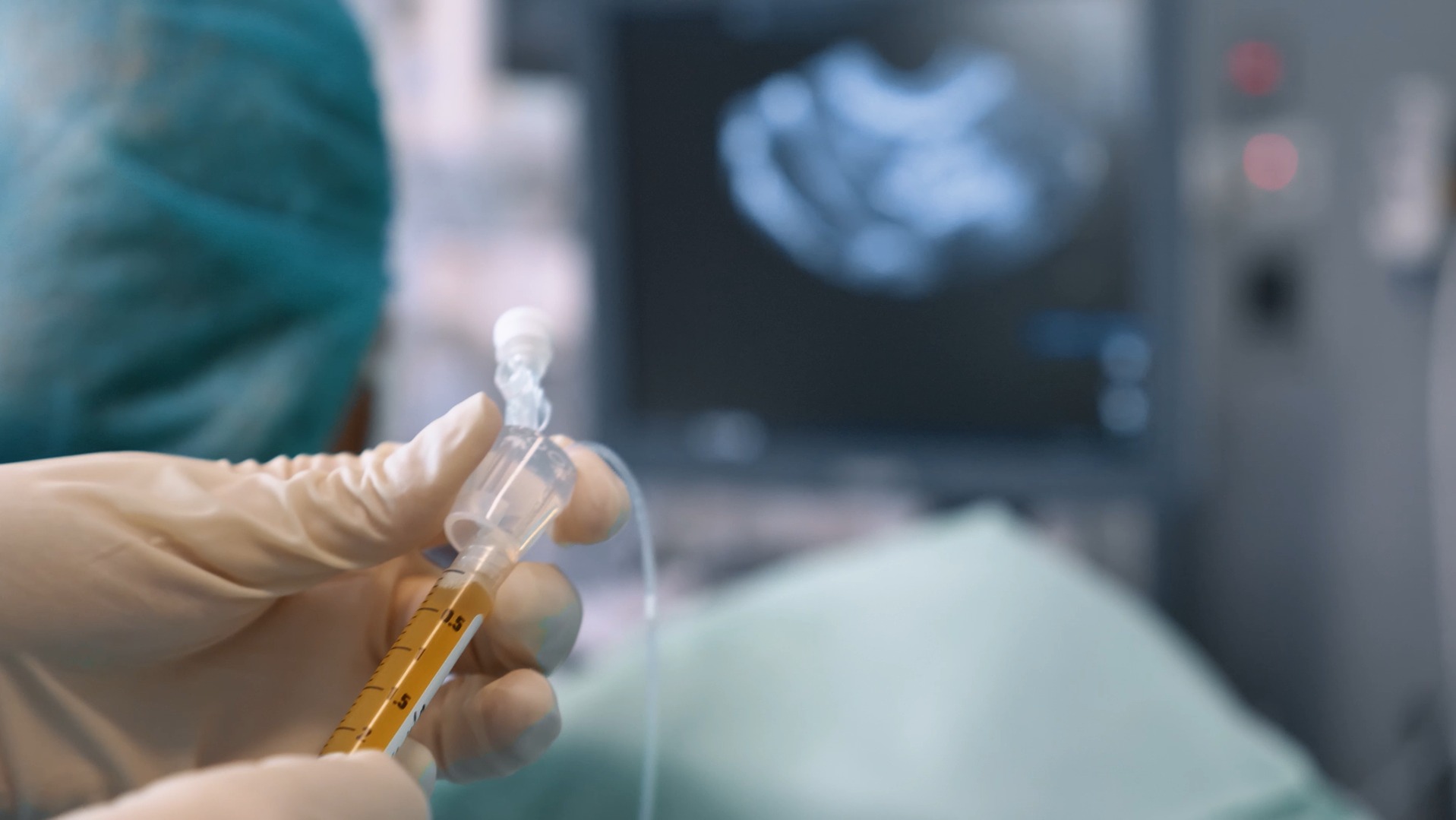
If everything is in proper order, the next step is the embryo transfer, in which the embryo generated in the IVF laboratory is deposited in the woman’s uterus so that it can implant, resulting in pregnancy. The excess embryos will be cryo-preserved for future use.

Analysis for beta-hCG

After 10 or 11 days have passed since the embryo transfer, a blood test is carried out to detect small quantities of the hormone beta-hCG (human chorionic gonadotropin).

Appointment will ultrasound for granting clearance for pregnancy

After 8 or 9 weeks, we arrange an appointment with the patients. At this appointment, an ultrasound is carried out to view the gestational sac. We hand over to the couple all guidelines and reports, and the patient is discharged.

FAQS

Can ROPA be performed if one of the two women has low ovarian reserve?

It is important to assess each case individually, but if the woman who wants to donate the eggs has a low ovarian reserve, some recommendations may be:

  • Attempt personalized stimulation with the aim of obtaining the largest number of eggs and, above all, of the best quality.
  • Recommend that the other woman donate the eggs.
  • Consider egg donation.

Can you choose your sperm donor?

In Spain, donation is anonymous and it is not permitted to select the semen donor, but from the clinic we will assign a compatible donor according to the phenotype and blood group.

Is it possible to choose who provides the eggs and who carries the pregnancy?

Yes, it is a personal decision. However, after a joint assessment of both women at the clinic, we will provide guidance and suggest which woman would be the most suitable to donate the eggs, taking into account age, ovarian reserve, and/or uterine condition.

+34 961 042 557