



ejc_loader
  • Blog
  • LET'S TALK?

Endometriosis

Our specialization
involves achieving pregnancy and
controlling the disease

What is
endometriosis?

Endometriosis is a disease involving abnormal growth of intrauterine tissue outside the uterus. In 98% of cases, it is chronic, progressive, painful, and affects fertility.

Each month, during the woman's fertile window and as the egg grows that month, the endometrial tissue increases in size to prepare to accommodate the embryo, and when pregnancy is not achieved, it sheds, producing menstrual bleeding.

In women with endometriosis, the endometrial tissue grows in places where it shouldn’t, but behaves in the same way. Therefore, it also grows as the egg grows. However, when pregnancy is not achieved, it doesn’t produce menstruation because it’s in the wrong place, instead causing typical endometriosis symptoms.
Causes of
endometriosis

The endometrial tissue acts as a cushion whose mission is to wrap around and protect the embryo. As the cycle progresses, the endometrial tissue acquires a certain thickness and texture to facilitate embryo implantation and facilitate the initial gestation. If pregnancy has not occurred at the end of the cycle, the uterus expels the tissue in the form of bleeding.

Although the origin of endometriosis is completely unknown, it is generally accepted that its origin is from retrograde menstrual flow which, in most cases, circulates from the fallopian tubes into the pelvis causing the endometrial tissue to invade other organs or areas of the body.

This tissue acts as if it were inside the uterus, i.e., each month it will thicken due to hormonal action and undergo decomposition. However, since it is located in an area where it cannot be removed, the tissue is trapped, causing various lesions including: superficial lesions, adhesions, fibrosis (scarring), ovarian cysts (endometriomas), etc.

In endometriosis, women experience the usual hormonal changes during the cycle in the places where the tissue has entered, causing accumulation of blood, inflammation and, consequently, pain.

Location of endometriosis

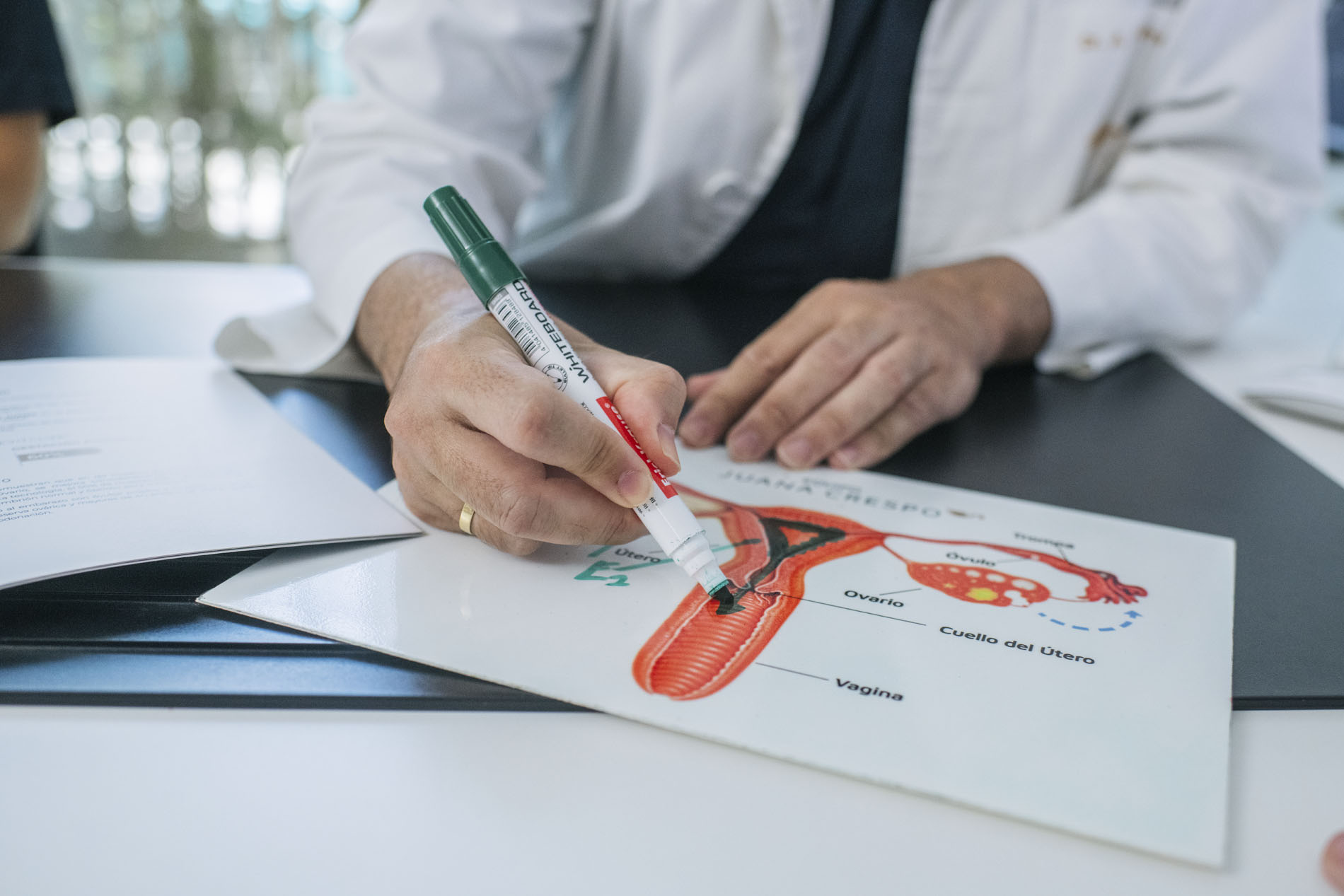
The most common endometrial adhesion sites are:

Although with lower incidence, it is also possible to find endometriosis foci in the urinary tract, in the ureter, kidneys or, exceptionally, in the lungs.

Profile of women with endometriosis

Endometriosis is estimated to affect 10-15% of women of childbearing age, although isolated cases have been reported in girls before their first menstruation and in women in the menopausal phase.

The reality is that endometriosis is highly unpredictable and there is no single profile of a woman prone to endometriosis. This disease can affect any woman at different times of her life, regardless of her race, lifestyle, or physiognomy.

Although there is no specific cause that determines the onset of endometriosis, it is quite common, especially in cases where:

  • The mother and/or sisters have endometriosis. There is a genetic predisposition towards endometriosis when other family members have it.

    01
  • Mature women without children.

    02
  • Onset of menstruation at an early age.

    03
  • Menstrual periods lasting 7 days or longer.

    04
  • Women with an immune disorder.

    05
  • Endometriosis symptoms

    06

Endometriosis
symptoms: how to detect it

The main symptoms of endometriosis are related to pelvic discomfort and infertility, although sometimes women with endometriosis are asymptomatic.

Some of the symptoms of endometriosis include:

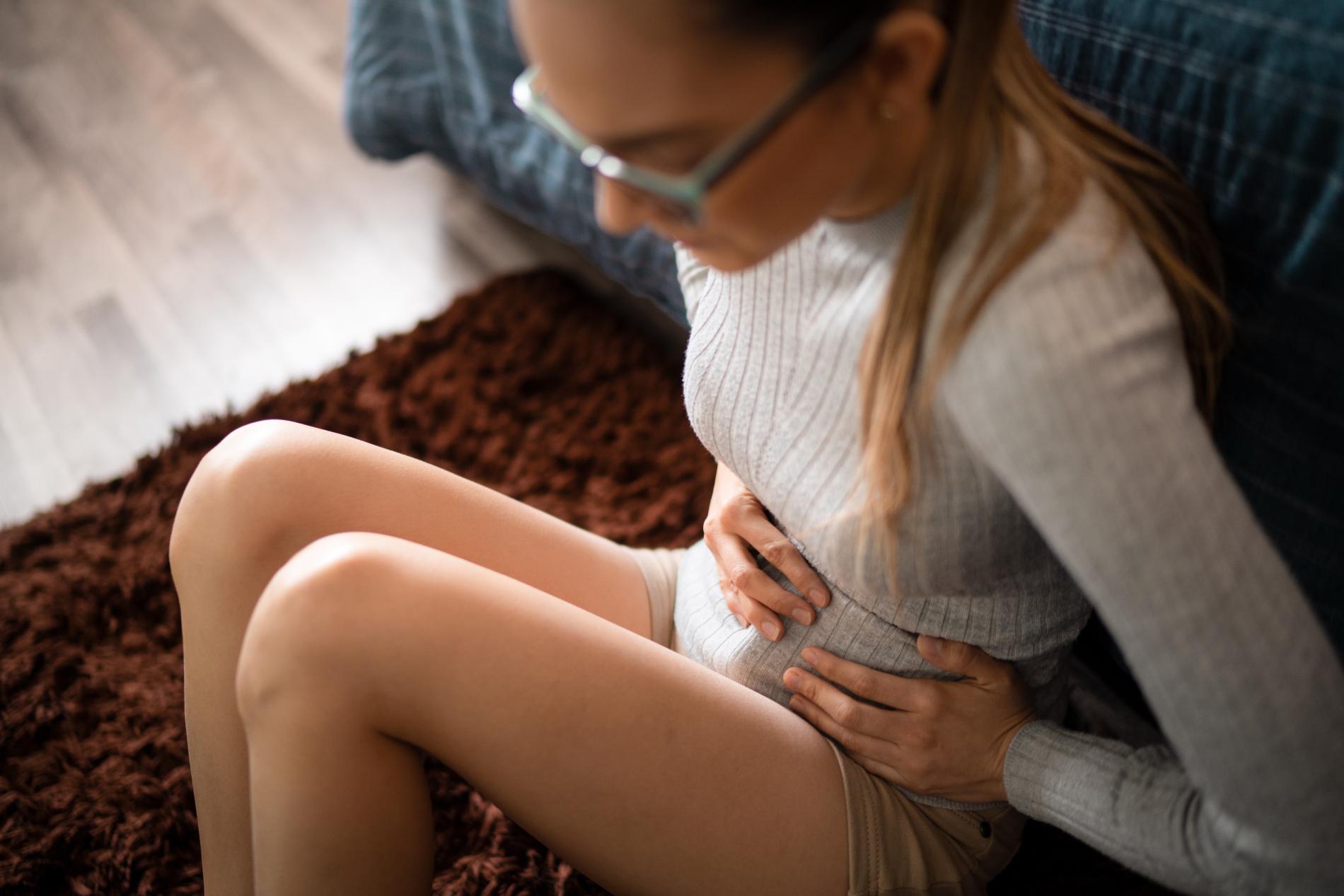
  • Pain during menstruation.

    01
  • Lower abdominal pain throughout the month.

    02
  • Pain during and after sexual intercourse.

    03
  • Pain during the period and going to the toilet.

    04
  • Discomfort when urinating.

    05
  • Bleeding between menses.

    06
  • Constant menstruation.

    07
  • Infertility.

    08

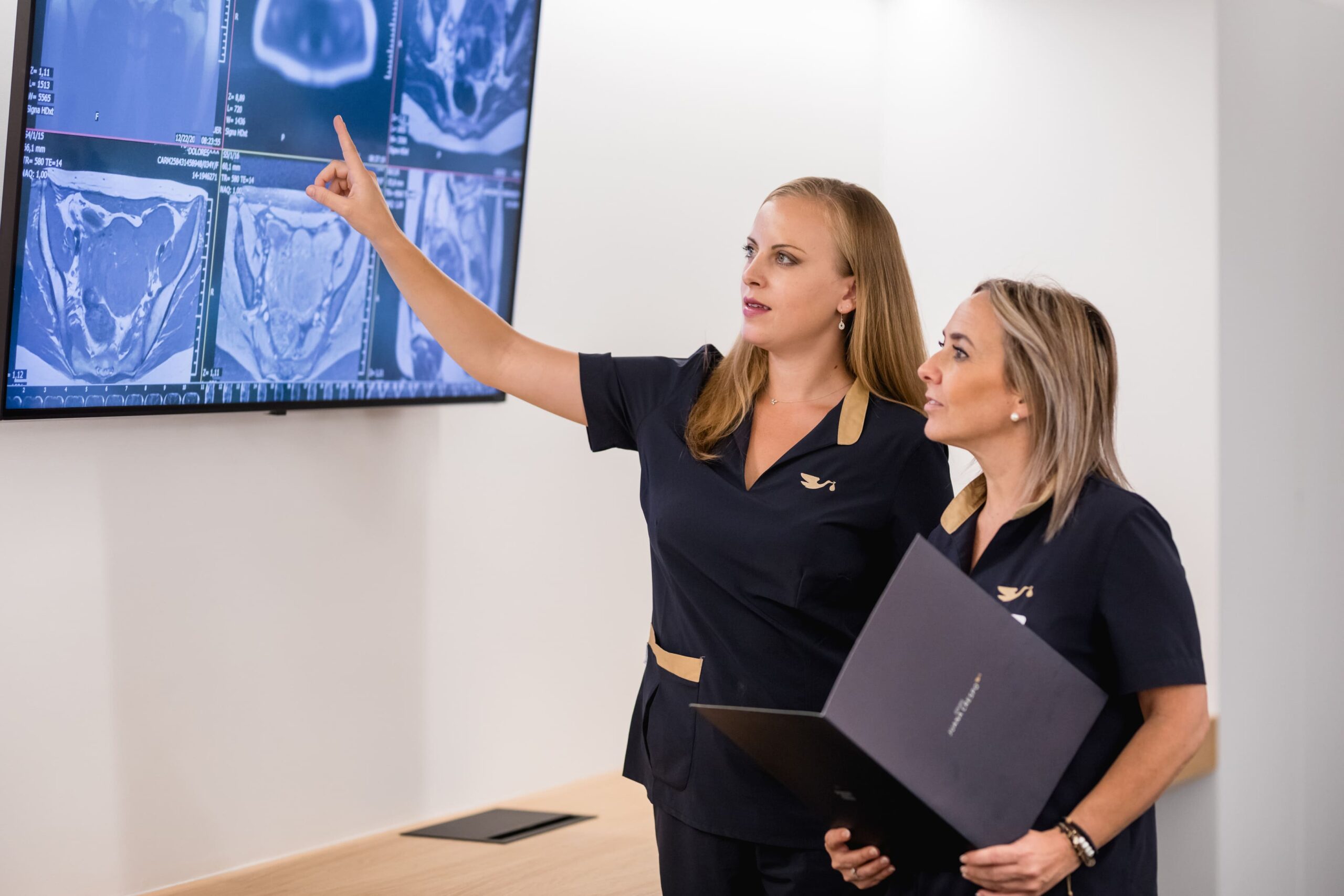
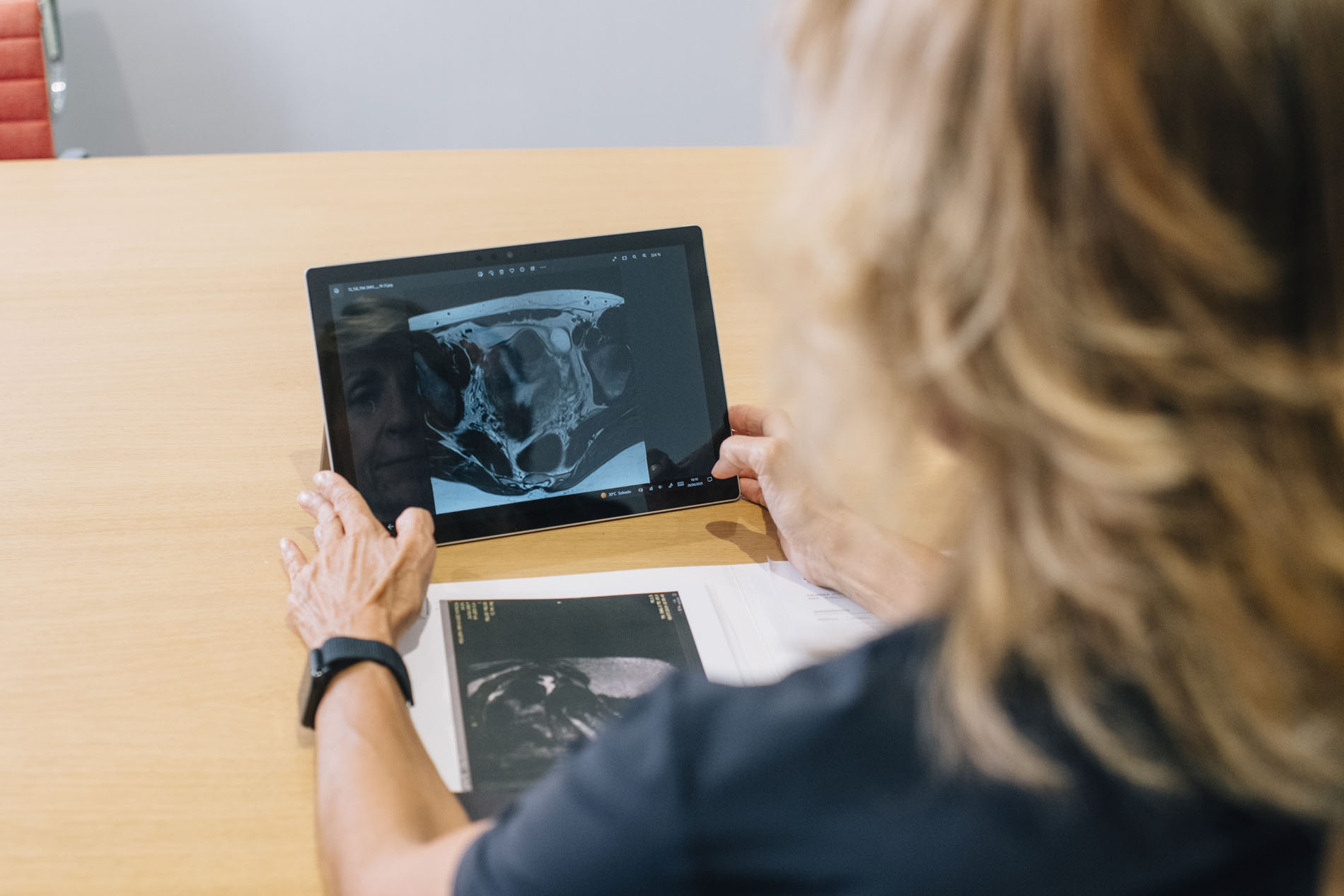
At Equipo Juana Crespo, we highlight the importance of early endometriosis detection. The belief that menstruation should be painful has been normalised. This has led to a delay in diagnosing endometriosis of up to 5 years. Equipo Juana Crespo offers expertise in the diagnosis of endometriosis because we deploy cutting-edge imaging technology that allows very small lesions to be diagnosed. This means we can anticipate the serious consequences on fertility in the more advanced stages of endometriosis, which is when it is generally diagnosed at present. Therefore, our comprehensive approach to the disease enables fertility planning strategies focused on mitigating the effects of the disease while preserving reproductive capacity.

What is the relationship between endometriosis and infertility?

Endometriosis can compromise a woman’s fertility to a greater or lesser degree. Tissue adhesions affect the reproductive organs by distorting, clogging or even destroying the pelvic structures.

However, there is also evidence that the impact of this disease on fertility is multifactorial and compromises the reproductive process at different stages. It has been demonstrated that the oocytes of women with endometriosis are of poorer quality because they exist in an adverse environment. Consequently, pregnancy rates are lower because poorer quality embryos are produced.

By diagnosing endometriosis in the early stages, Equipo Juana Crespo carries out personalised stimulation treatments with improved oocyte quality that could go unnoticed before having the oocytes in the laboratory. This means we can raise our success rates in patients with endometriosis almost up to the success rates of patients without endometriosis. We are also able to personalise the protocols, follow-up, and the ability to adapt to the evolution of the endometriosis patient's cycle, which is fundamental to the success of the treatment.

In other cases, patients with endometriosis need to undergo minor surgeries to improve the uterine anatomy and functionality and try to ensure maximum embryo implantation.

The different assisted reproduction techniques help to achieve pregnancy. However, an individual strategy is necessary from the moment the disease is diagnosed and that lasts beyond achieving pregnancy. Therefore, at Equipo Juana Crespo, we not only plan the achievement of a pregnancy, but also our patients’ full family project.

We comprehensively
treat endometriosis

Our goal is to treat the disease to limit its impact on fertility, taking advantage of the different options offered by reproductive medicine if a pregnancy cannot be achieved naturally.

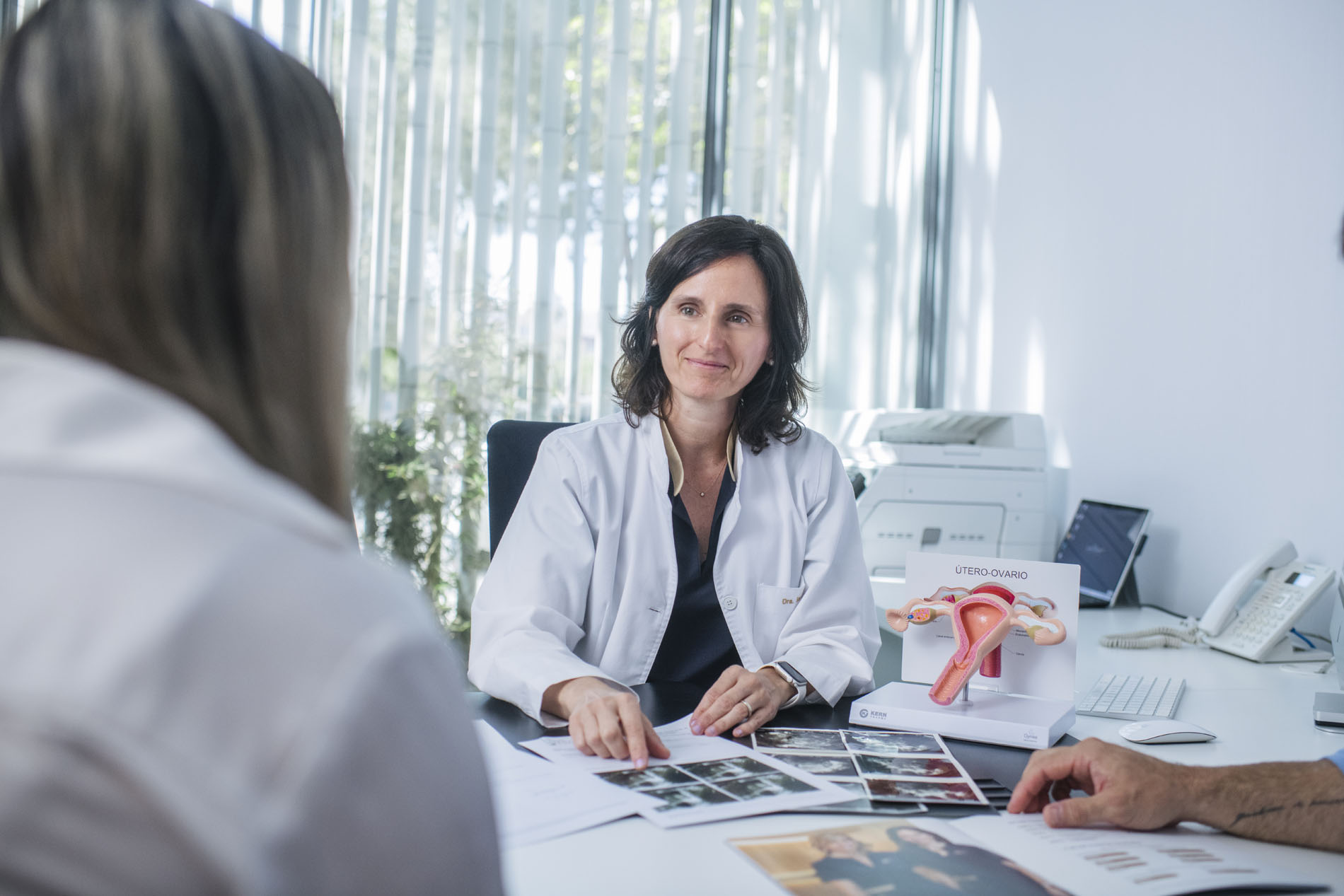
Equipo Juana Crespo treats endometriosis comprehensively, deploying fully tailored strategies. We comprehensively treat the disease. We specialise in individually identifying the level of involvement of each reproductive organ for each patient.

We then treat each organ according to the results attained to achieve a proper pregnancy, prolonging the treatment during the patient’s reproductive life to respond to a pathology that is a chronic disease.

To comprehensively treat endometriosis, which can only be carried out by a gynaecologist specialised in endometriosis - a prerequisite for all the gynaecologists at Equipo Juana Crespo -, we use a range of diagnostic and comprehensive treatment procedures.

Diagnosis and early detection

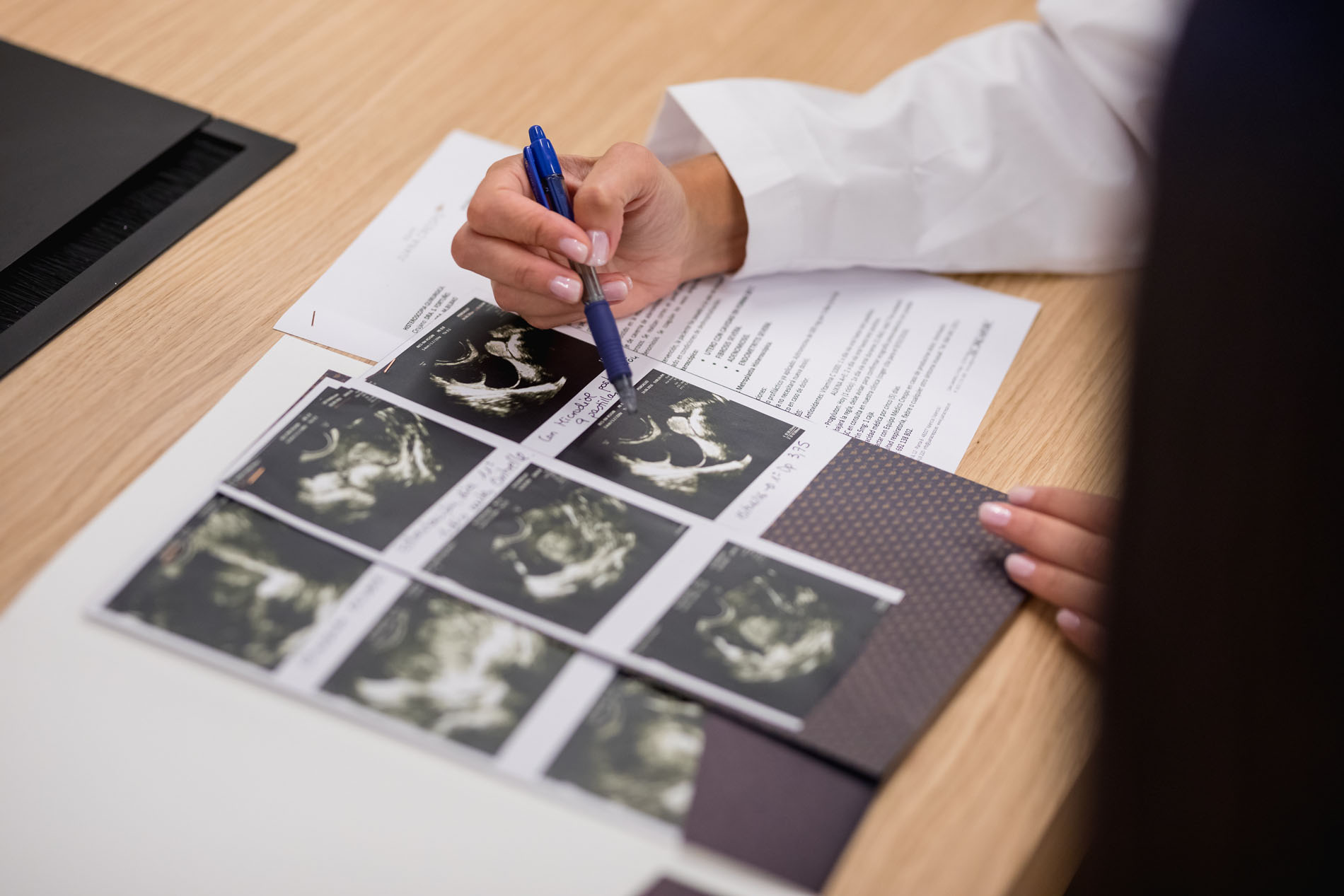
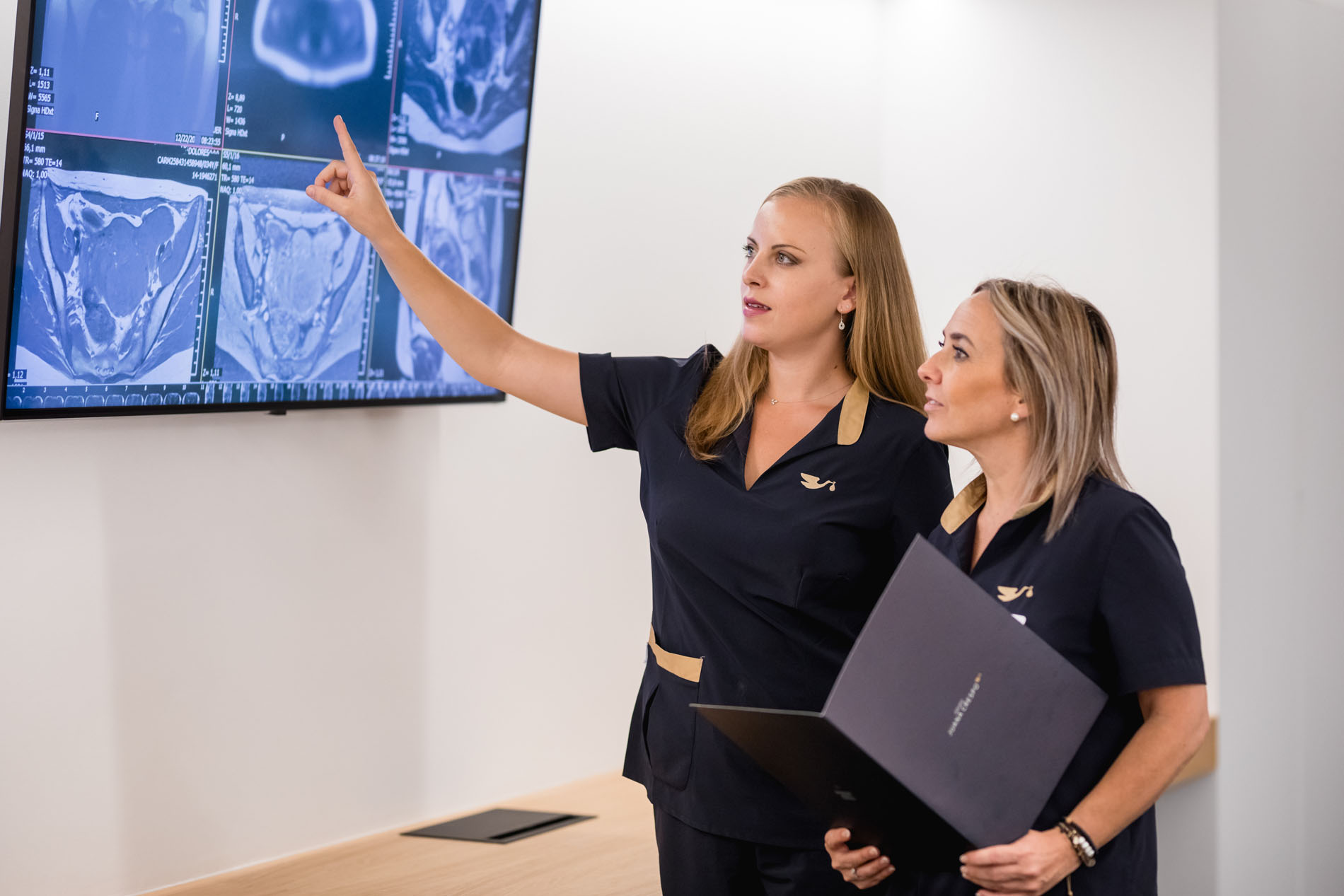
This primarily focuses on anatomical knowledge of this disease’s behaviour and performing examinations with cutting-edge imaging technology.

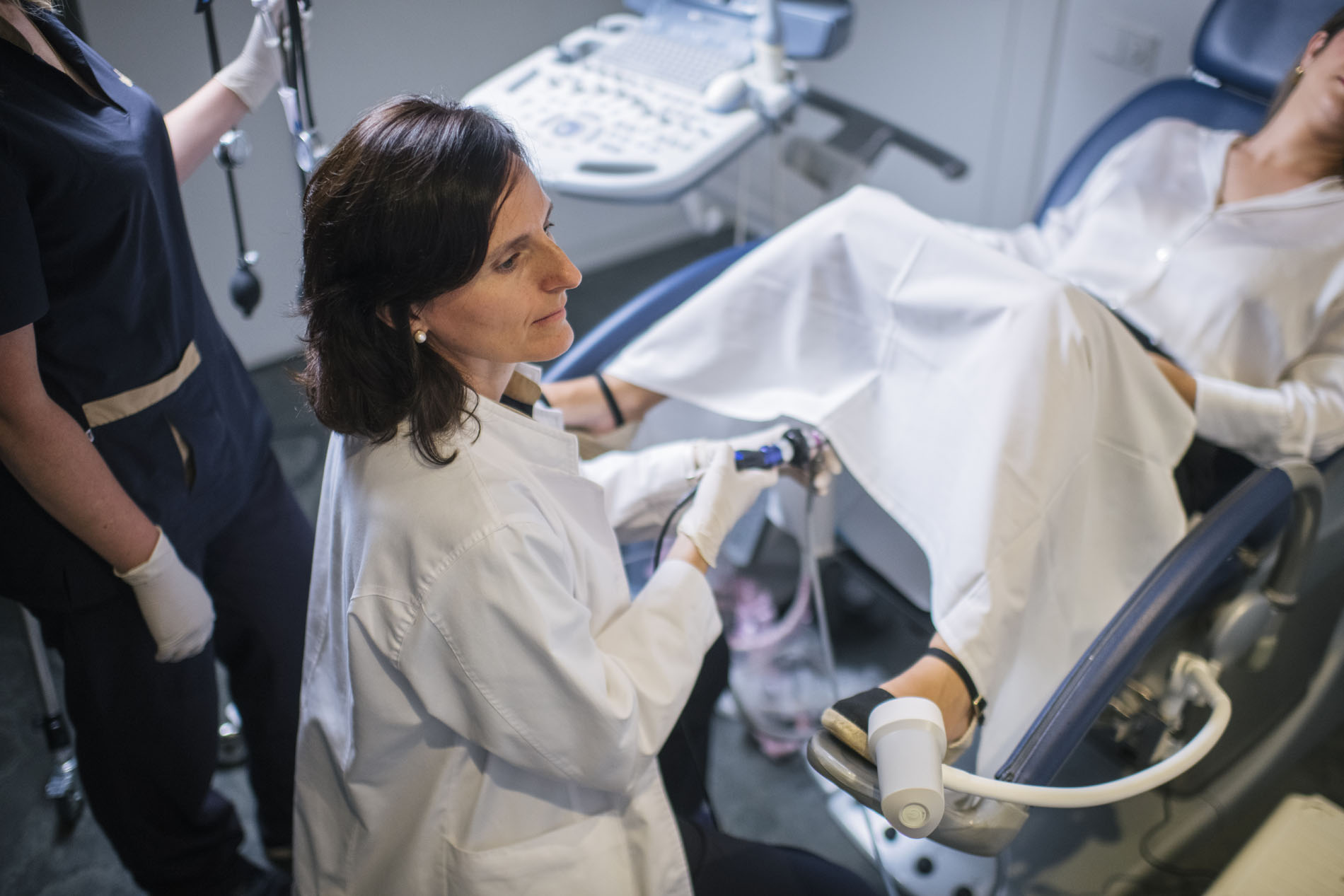
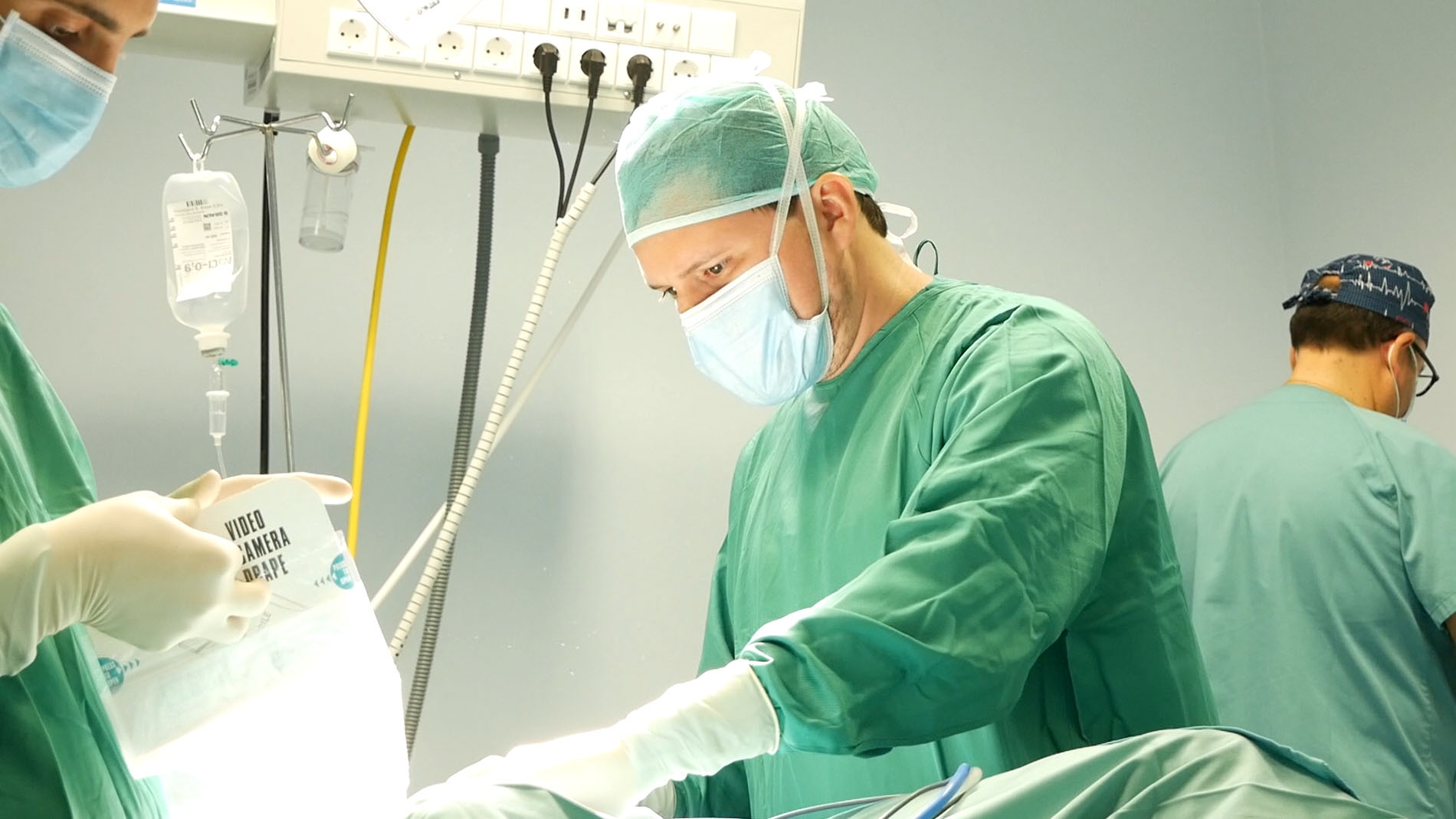
Laparoscopy and Hysteroscopy

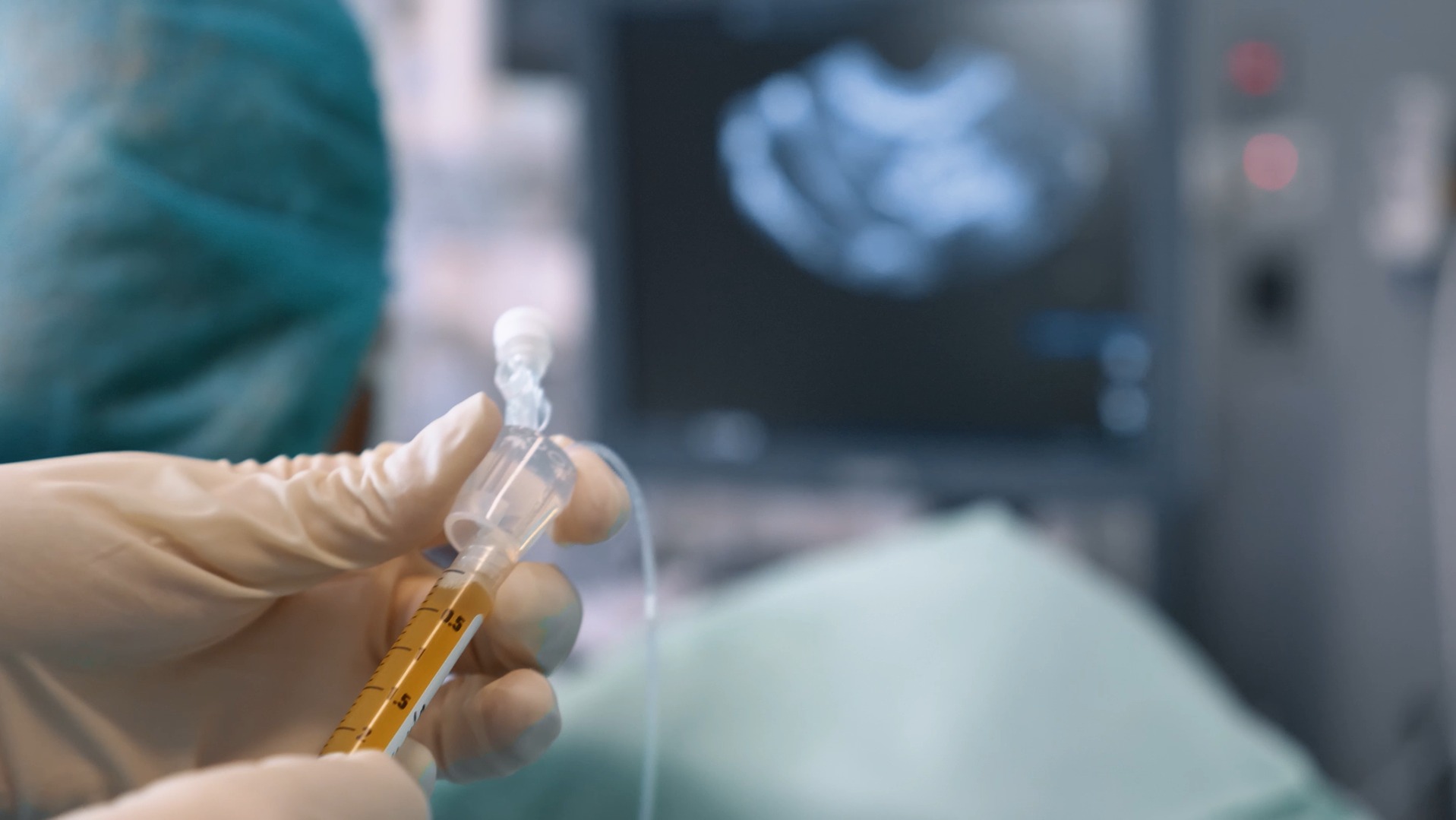
In both cases, the endometriosis specialist inserts a special camera allowing the different organs to be monitored and the signs of endometriosis to be tracked. Tissue samples can be taken for analysis.

Fertility treatments in women with endometriosis

  • Fertility planning

    Endometriosis is a disease that worsens with each menstrual cycle. Tissue implants usually compromise the other reproductive organs. An early strategy focused on slowing down the impact of the disease on the reproductive system is key to treating endometriosis.

  • Egg vitrification

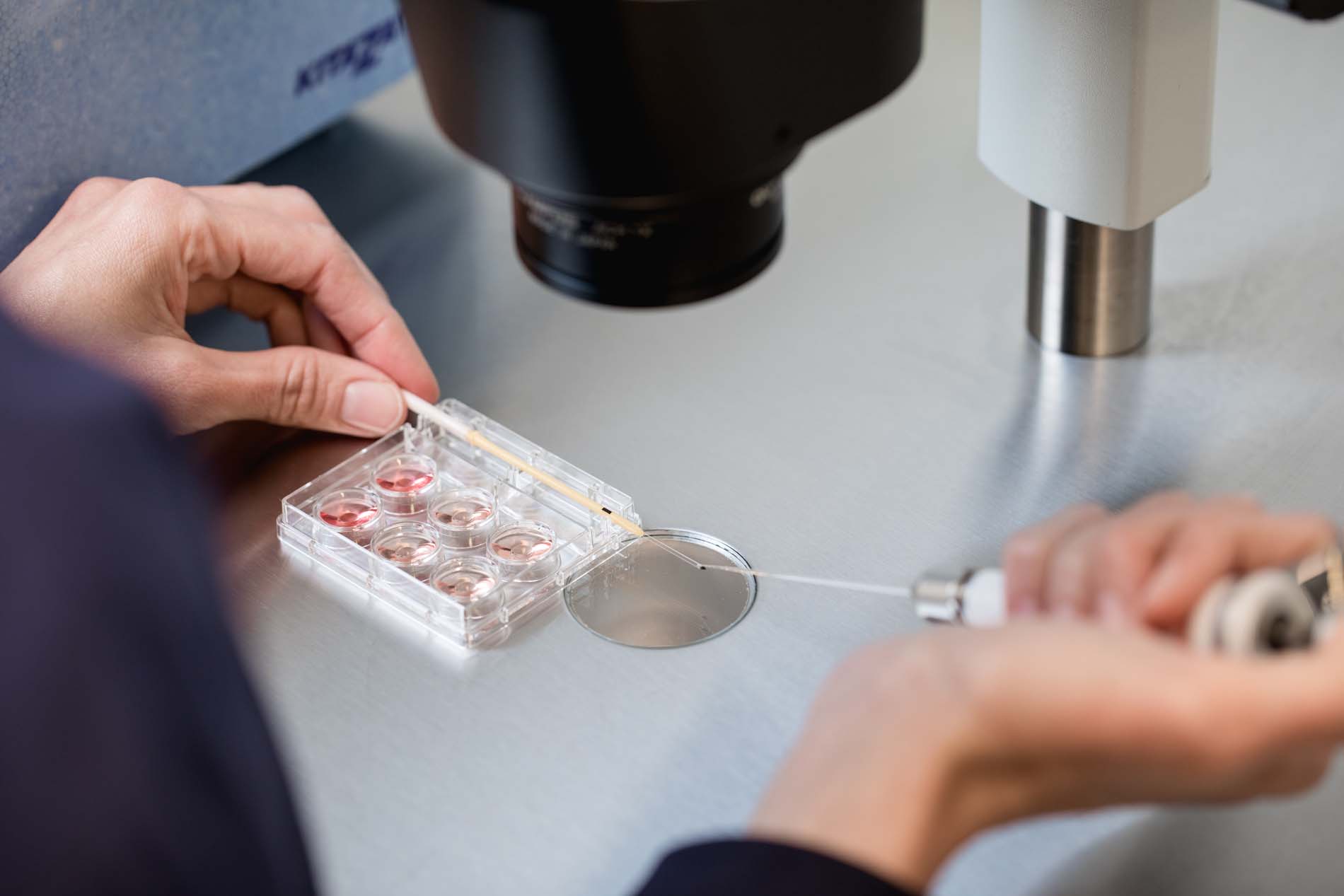
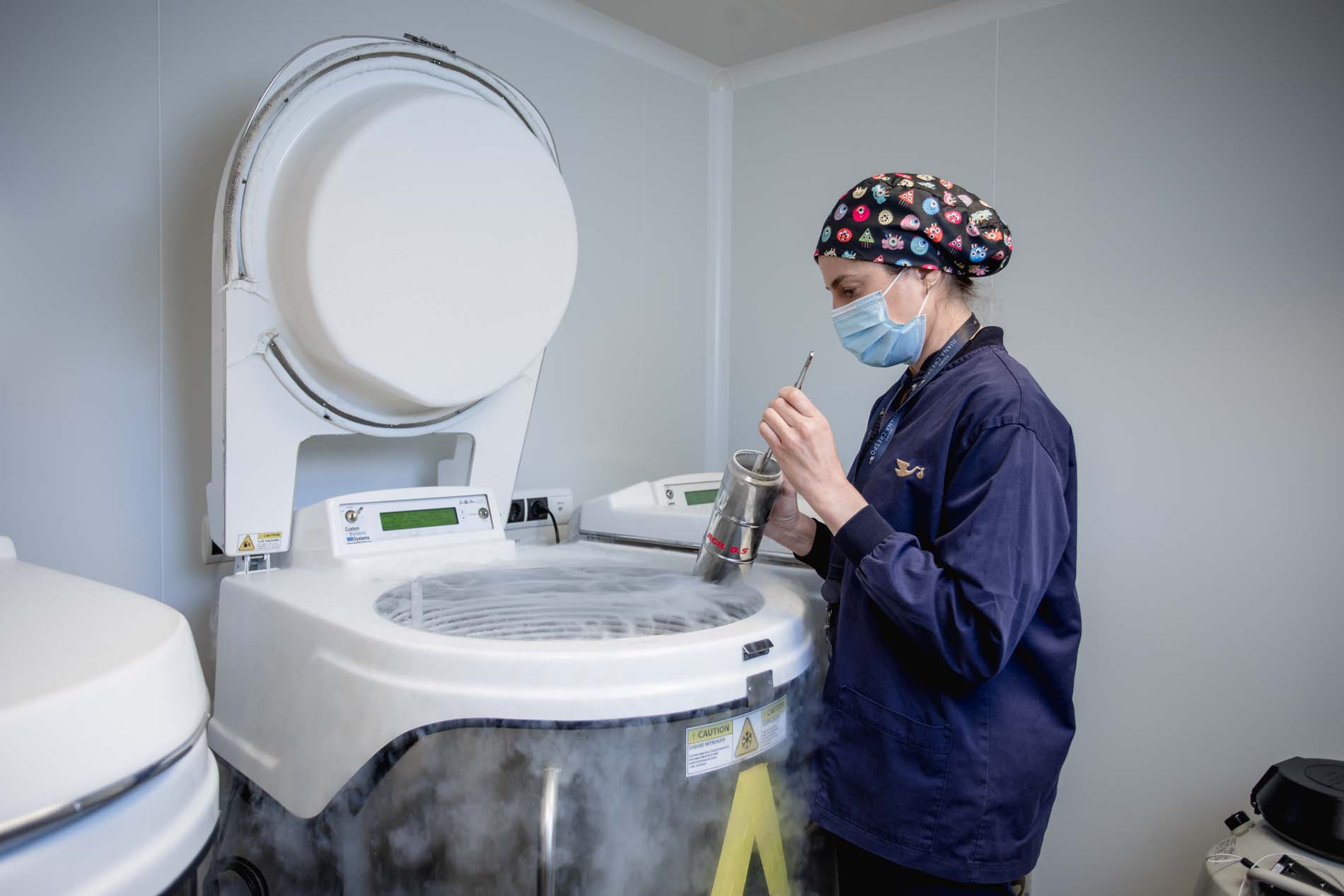
    This is a technique that allows ultra-fast freezing of the eggs, preventing crystals from forming inside the cells. For endometriosis patients, it is essential to avoid the complications that the passage of time results in by freezing upon egg retrieval.

  • IVF (results in treatment)

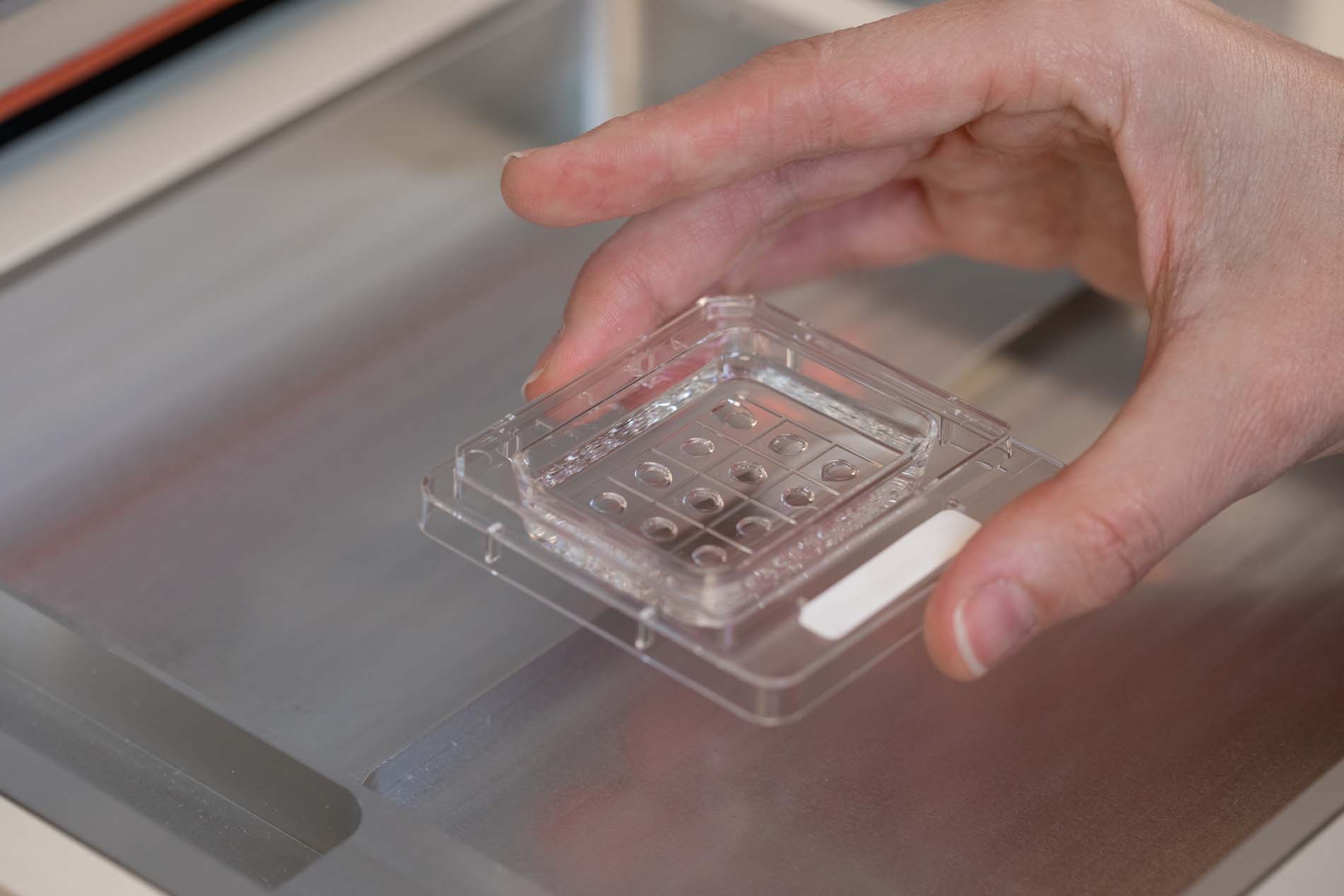
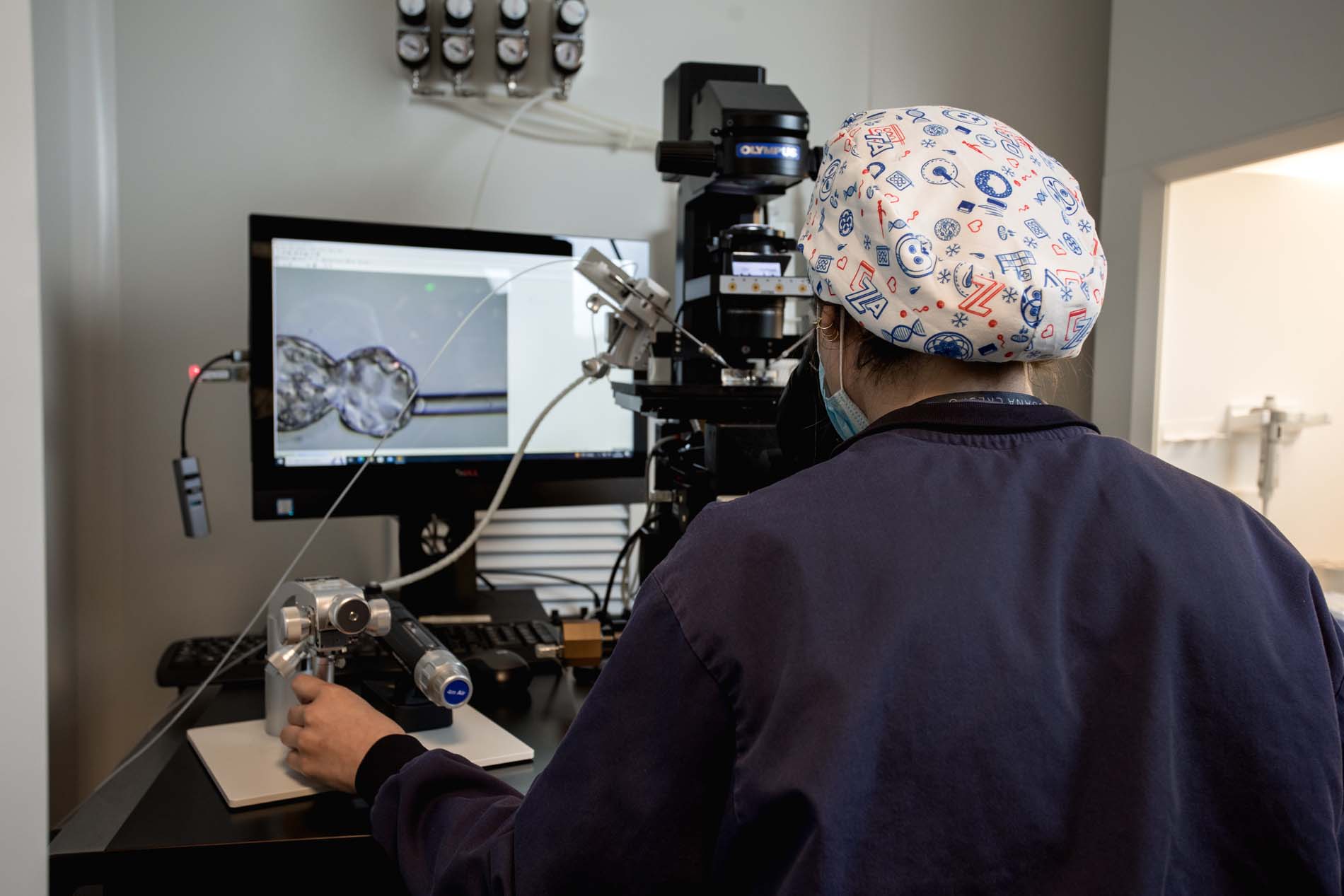
    For IVF, the fertilization process is performed in the laboratory, then the embryo is transferred to the woman's uterus.

  • Egg donation (results in treatment)

    For egg donation, a healthy woman of childbearing age provides the necessary gametes to be implanted in a recipient woman seeking to become a mother.

  • Multiple organ approach for the disease

    An approach that seeks to personalise each patient’s diagnosis and the planning of all their present and future treatment to complete their family project and ensure a good quality of life, verifying the proper functioning of the organs involved in the reproductive process and implementing the specific treatments in each case.

FAQS

Is endometriosis dangerous to health?

Endometriosis is a chronic disease that affects women’s reproductive health, causing various disorders that must be treated. Any disorder that alters general or reproductive health should be treated, as it carries certain dangers.

How do I know if I have endometriosis?

Many women ask themselves: how do I know if I have endometriosis? You can evaluate the appearance of the above symptoms here. If you have them, consult an expert gynaecologist for the appropriate tests.

Which test is used to detect endometriosis?

Each evaluation must be personalised. Examinations such as an ultrasound scan or MRIs can be done. In some cases, an exploratory laparoscopy or a hysteroscopy are required.

Can I get pregnant and have children with endometriosis?

Yes, with a diagnosis from a specialist and the appropriate treatment, pregnancy can be achieved. It is important to follow a personalised strategy tailored to each patient’s specific case. As it’s a chronic disease in most cases, it’s important to address treatment not only before pregnancy, but to continue treatment for the rest of reproductive life.

+34 961 042 557