












1
Causes of infertility
in heterosexual couples

If you are trying to have a child as a couple but are not achieving pregnancy, you should know that the causes of infertility may be female, male, or mixed, with mixed-factor infertility being more common than many people think.
- Age, the main factor
- Male fertility disorders
- Endometriosis and other ovulatory disorders:
- Polycystic Ovary Syndrome
- Uterine malformations and/or pathologies
- Poor egg quality and/or low ovarian reserve
- Lifestyle and emotional factors
- Genetic diseases
“I had always been told that everything was perfect, and we went to a fertility clinic for the first time simply because my partner had had a vasectomy. We thought that once that was solved, everything would go smoothly, but we were wrong.”
If you are trying to have a child as a couple but are not achieving pregnancy, you should know that the causes of infertility may be female, male, or mixed, with mixed-factor infertility being more common than many people think.
- Age, the main factor
- Male fertility disorders
- Endometriosis and other ovulatory disorders:
- Polycystic Ovary Syndrome
- Uterine malformations and/or pathologies
- Poor egg quality and/or low ovarian reserve
- Lifestyle and emotional factors
- Genetic diseases
“I had always been told that everything was perfect, and we went to a fertility clinic for the first time simply because my partner had had a vasectomy. We thought that once that was solved, everything would go smoothly, but we were wrong.”
2
Basic fertility tests
in heterosexual couples

If a heterosexual couple has been trying to conceive for some time—around six months of frequent unprotected sexual intercourse—it is time to consult a fertility specialist.
At Equipo Juana Crespo, we always recommend not wasting time, as a few months that may seem insignificant can be decisive not only for achieving pregnancy, but also for fulfilling the family plan of having more than one child.
If a heterosexual couple has been trying to conceive for some time—around six months of frequent unprotected sexual intercourse—it is time to consult a fertility specialist.
At Equipo Juana Crespo, we always recommend not wasting time, as a few months that may seem insignificant can be decisive not only for achieving pregnancy, but also for fulfilling the family plan of having more than one child.
3
Male diagnostic
tests
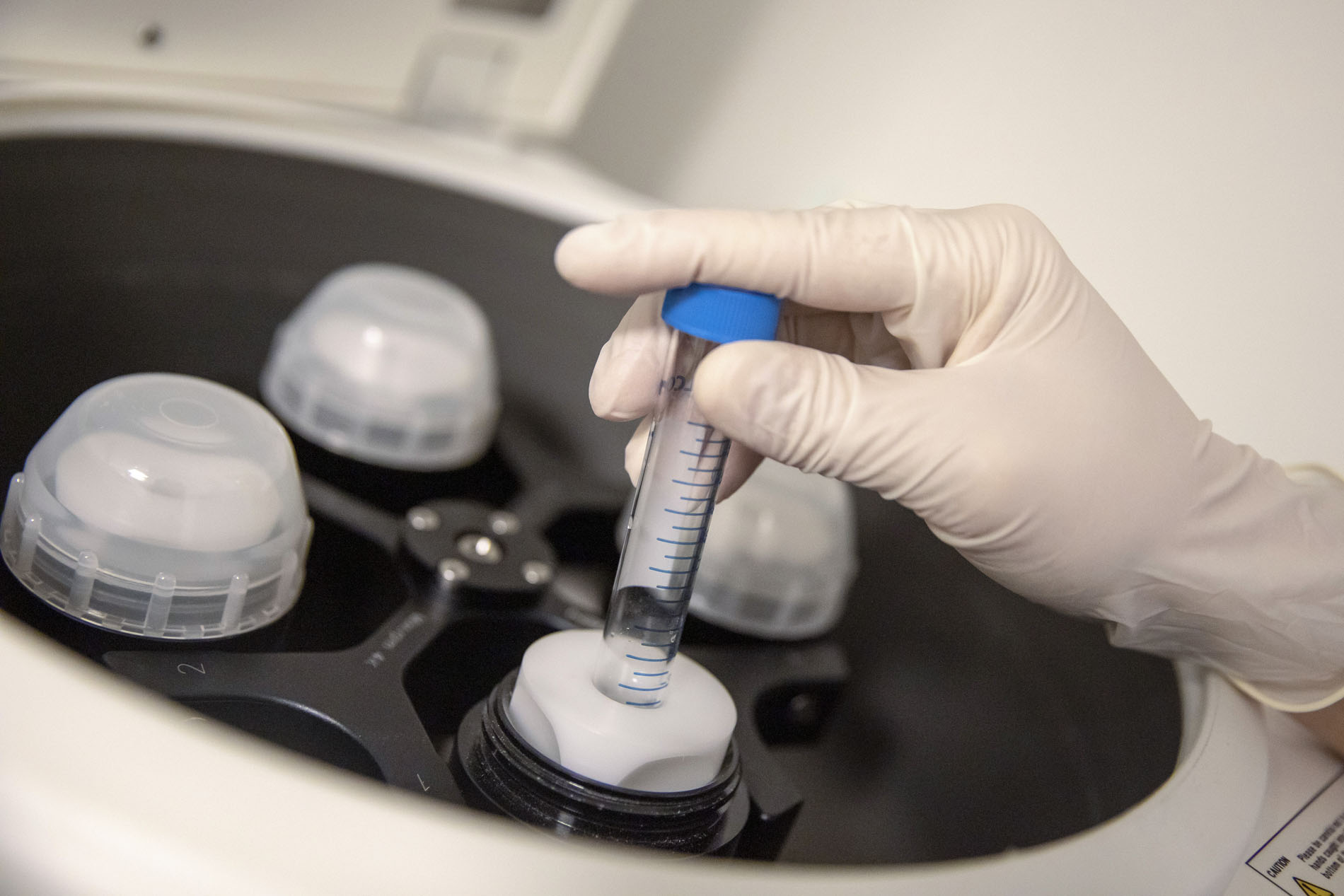
Semen analysis This is the basic male fertility test. It consists of analysing a semen sample in an andrology laboratory to obtain results for parameters such as:
-Volume
-Sperm concentration, or number of sperm per millilitre
-Sperm motility, or movement of the sperm
-Sperm morphology
-Semen pH
-Presence of abnormal cells
Male hormonal analysis
To determine testosterone production levels. Normal total testosterone values in fertile men range between 300 and 1,000 ng/dL (nanograms per decilitre).
Physical examination
Performed by a urologist to detect the presence of varicose veins (varicocele) or other abnormalities.
4
Female
diagnostic tests
Baseline hormonal analysis
FSH (follicle-stimulating hormone), LH (luteinising hormone), oestradiol, progesterone, prolactin, TSH
AMH (anti-Müllerian hormone)
test: Indicates the woman’s ovarian reserve. It reflects quantity only and is not an indicator of egg quality.
Complete transvaginal ultrasound
Of the entire female reproductive system.
Hysterosalpingography (HSG)
This test indicates whether the fallopian tubes are patent or not.
Pelvic MRI with or without contrast
This is the best way to evaluate the entire pelvic area. It allows detection of endometriosis lesions, hydrosalpinx, and other significant conditions.
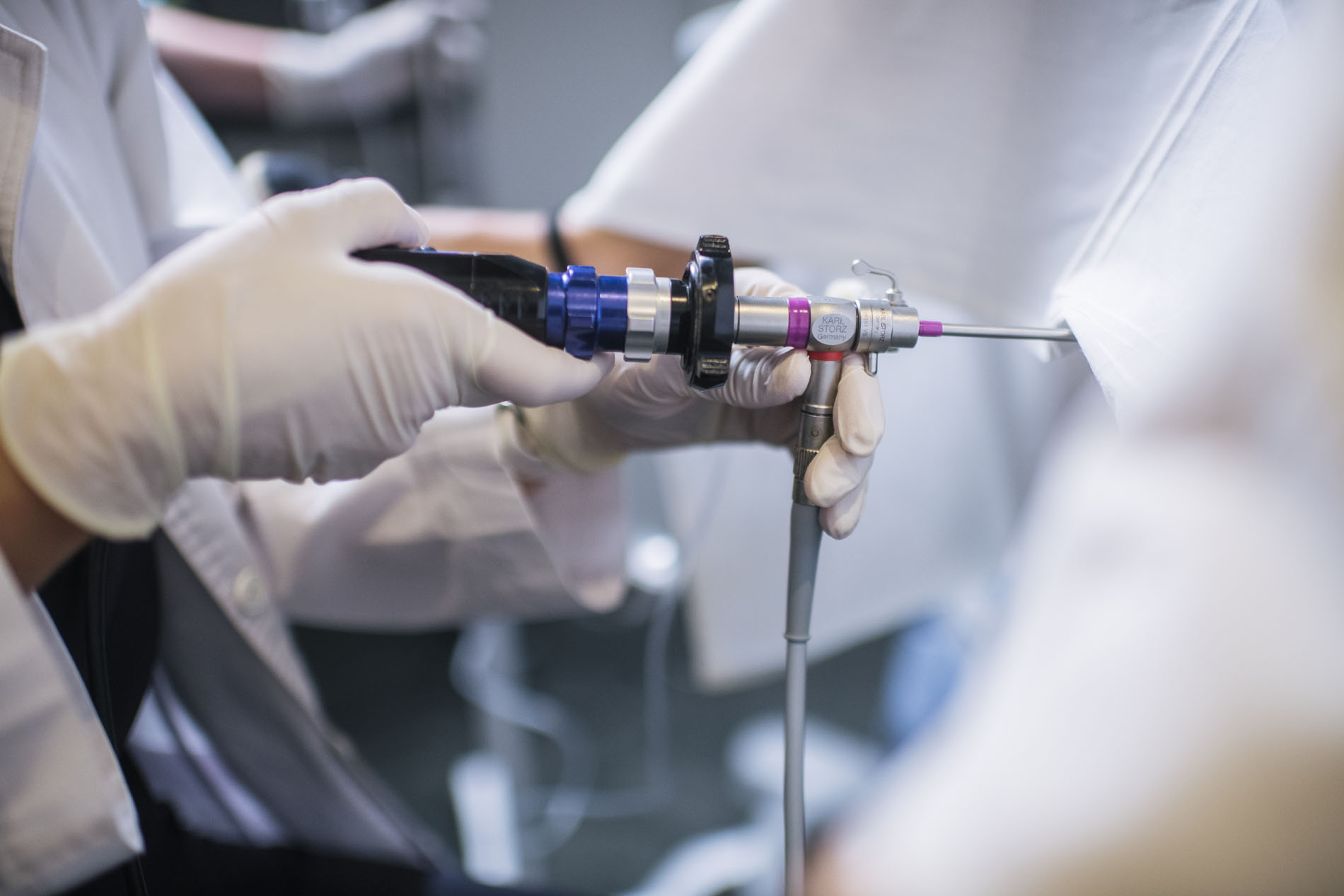
Diagnostic hysteroscopy
This is a procedure performed in the clinic, aimed at detecting possible uterine abnormalities such as malformations, fibroids, polyps, neoplasms, among others.
5
Common diagnostic tests
for heterosexual couples

Karyotype analysis
This is a genetic test that provides information about the patient’s chromosomal makeup in terms of structure and number.
Serology tests
These blood tests detect whether the patient has antibodies to certain diseases, such as hepatitis or HIV.
Carrier tests
This is a voluntary genetic test that helps minimise the transmission of recessive or X-linked genetic disorders.
6
Fertility in heterosexual
couples: Treatments
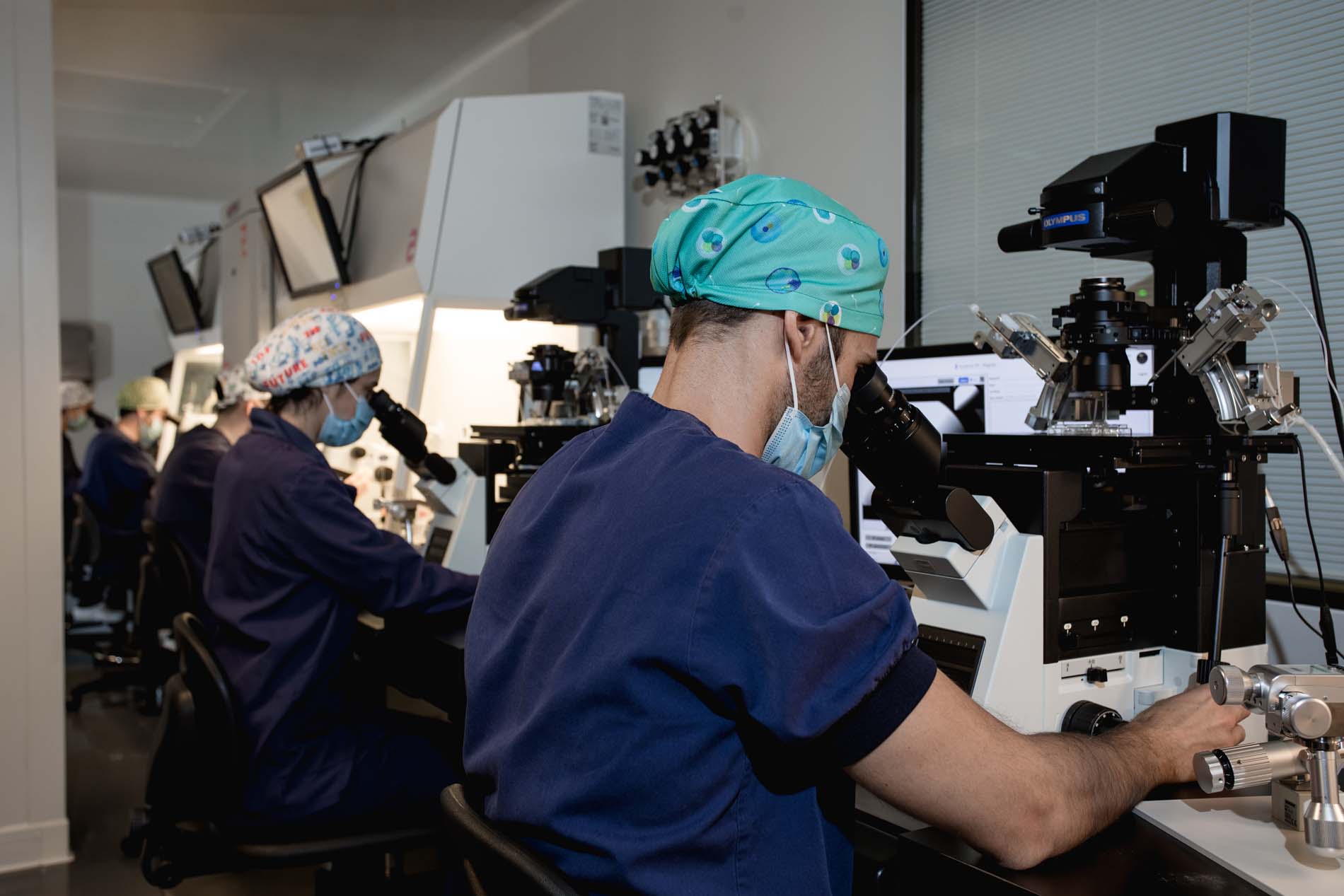
At Equipo Juana Crespo, we carry out a comprehensive assessment of the couple to find the best solution. Each patient is unique and deserves a personalised treatment.
At Equipo Juana Crespo, we carry out a comprehensive assessment of the couple to find the best solution. Each patient is unique and deserves a personalised treatment.
7
Why Equipo Juana Crespo?

1. We will accompany you throughout the entire process
At Equipo Juana Crespo, we want you to feel supported and cared for from the very beginning. We will be by your side every step of the way, taking care of you so you can move forward with confidence. We have extensive experience helping couples who wish to start a family and who have faced complex situations or experienced several unsuccessful attempts at other clinics.
Our medical team is highly specialized in complex cases and will provide you with a thorough and personalized diagnosis, explaining in detail the available options to find the best solution for your circumstances.
2. Highly personalized endometrial preparation
Preparing the uterus is essential for achieving pregnancy, and any deficiency in this process can lead to implantation failure and early miscarriage. Our team works to optimize uterine conditions to ensure that both the endometrium, the receptive layer, and all other components involved in placentation are in the most suitable state to receive an embryo.
3. We have the best results in High Complexity fertility treatments
A dedicated team focused on achieving the best results, our commitment is to help you build a family, whatever your circumstances. This requires a high level of specialization in all areas, from consultations and laboratory work to surgery.
FAQS
When should we worry if we don't get pregnant naturally?
If you've been having frequent, unprotected sex for about six months and haven't conceived, it's advisable to consult a fertility specialist. In reproductive matters, time is crucial, and a timely evaluation can make all the difference in finding an effective solution.
If we already have a child, can there be fertility problems when trying to get pregnant again?
Fertility changes over time, and new factors, both female and male, can arise that make pregnancy more difficult. Secondary infertility is more common than it seems, so a complete evaluation of the couple is advisable if pregnancy is delayed.
Are the causes of infertility usually more related to the woman or to the man?
There is no single predominant cause. Approximately half of the cases are related to male, female, or mixed factors. Therefore, we always recommend evaluating both partners from the outset to obtain a comprehensive diagnosis and avoid wasting time.


