





1
Can two women have a child?

It is clear that family models have changed. More and more women are deciding to become mothers, and this desire for pregnancy can now be fulfilled thanks to advances in assisted reproduction treatments. At Equipo Juana Crespo, we want to help you build the family you so deeply desire.
Today, there is a wide range of options to experience shared motherhood between women; the important thing is to choose the right treatment. At Equipo Juana Crespo, we personalize each case according to the needs of every patient. The main treatments that can help female couples become mothers are:
Artificial Insemination with Donor Sperm (IUI-D)
In Vitro Fertilization for two women (IVF) with Donor Sperm
2
Shared motherhood with a sperm donor
It is normal for fears and uncertainty to arise when planning shared motherhood, especially regarding the sperm donor needed to achieve pregnancy. However, it is a highly regulated process.
It is normal for fears and uncertainty to arise when planning shared motherhood, especially regarding the sperm donor needed to achieve pregnancy. However, it is a highly regulated process.
In Spain, the legislation governing the use of donor sperm for female couples is mainly set out in Law 14/2006 of May 26 on Assisted Human Reproduction Techniques. This law is one of the most advanced in Europe and guarantees equal access to assisted reproduction techniques (ART) for all women, regardless of their marital status or sexual orientation.
Regarding the main fears and doubts that may arise, this law ensures that:
- Sperm donation is anonymous and altruistic under Spanish legislation.
- Donors cannot know the identity of the children born, and the children cannot know the donor, except in exceptional cases for health reasons and always confidentially.
- Donors must meet strict health requirements and undergo genetic testing to minimize the risk of disease transmission.
In addition, at Equipo Juana Crespo, the selection of the sperm donor is carried out rigorously, taking into account phenotype (ethnicity, body build, hair colour and type, eye colour, etc.) and blood group compatibility. We also perform a genetic study on the donor, known as the Carrier Test, which detects possible genetic alterations and/or mutations present in the donor. All of this is done with the aim of ensuring your maximum safety and peace of mind.
In Spain, the legislation governing the use of donor sperm for female couples is mainly set out in Law 14/2006 of May 26 on Assisted Human Reproduction Techniques. This law is one of the most advanced in Europe and guarantees equal access to assisted reproduction techniques (ART) for all women, regardless of their marital status or sexual orientation.
Regarding the main fears and doubts that may arise, this law ensures that:
- Sperm donation is anonymous and altruistic under Spanish legislation.
- Donors cannot know the identity of the children born, and the children cannot know the donor, except in exceptional cases for health reasons and always confidentially.
- Donors must meet strict health requirements and undergo genetic testing to minimize the risk of disease transmission.
In addition, at Equipo Juana Crespo, the selection of the sperm donor is carried out rigorously, taking into account phenotype (ethnicity, body build, hair colour and type, eye colour, etc.) and blood group compatibility. We also perform a genetic study on the donor, known as the Carrier Test, which detects possible genetic alterations and/or mutations present in the donor. All of this is done with the aim of ensuring your maximum safety and peace of mind.
3
Two-mother pregnancy: real stories
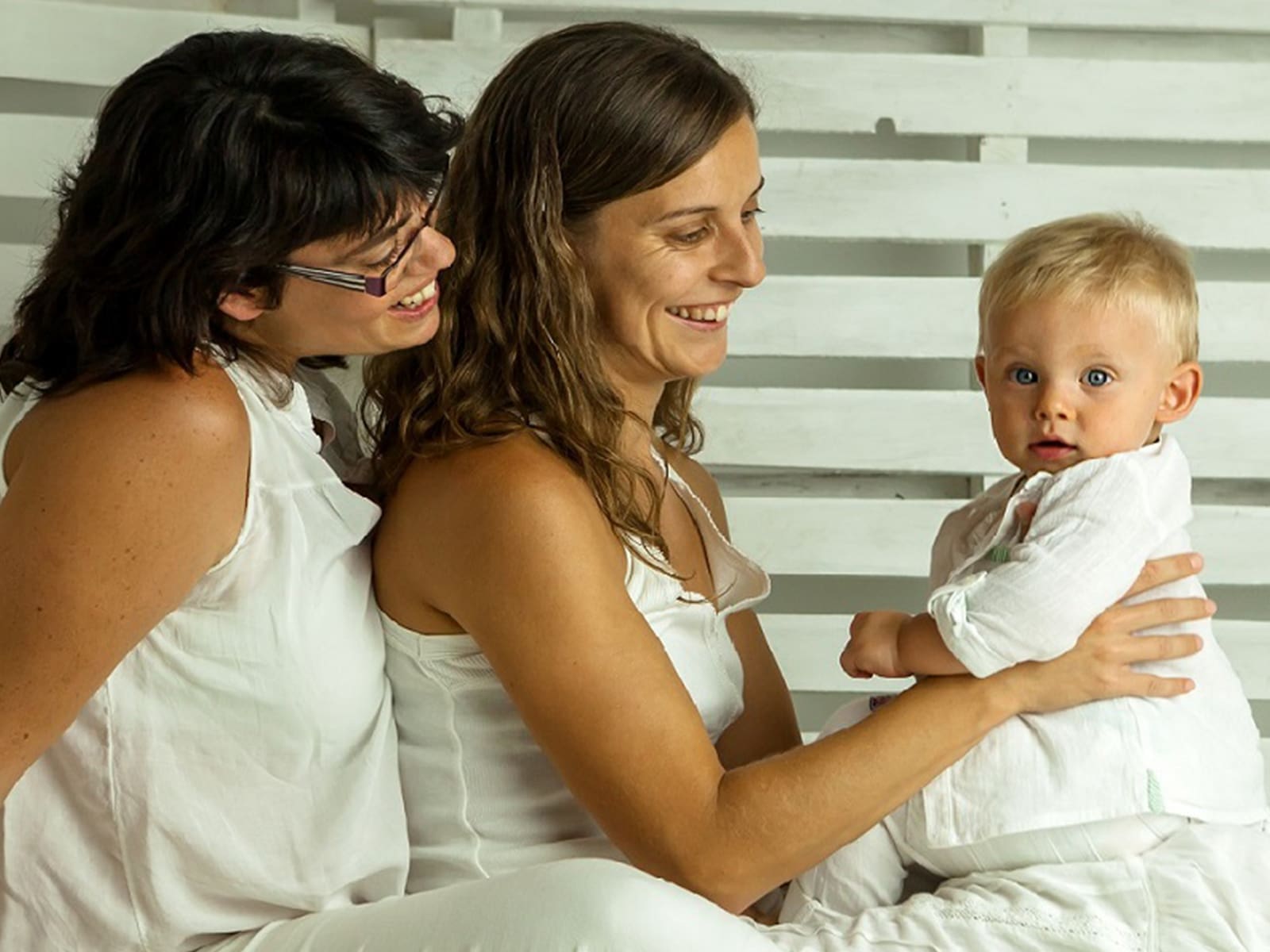
At Equipo Juana Crespo, every story is unique and special. Many women have achieved shared motherhood and now have their little one with them, such as Verónica and Ana, two happy mothers who can now share their happy ending.
“Verónica always wanted to be a mother, alone or with a partner. She knew it with her previous partners, and she knew it when she met Ana, her wife and the mother of their son Marc, a beautiful three-year-old boy who radiates happiness and love in every gesture he makes toward his mother.”
At Equipo Juana Crespo, every story is unique and special. Many women have achieved shared motherhood and now have their little one with them, such as Verónica and Ana, two happy mothers who can now share their happy ending.
“Verónica always wanted to be a mother, alone or with a partner. She knew it with her previous partners, and she knew it when she met Ana, her wife and the mother of their son Marc, a beautiful three-year-old boy who radiates happiness and love in every gesture he makes toward his mother.”
4
Why Equipo Juana Crespo?
1. Personalized strategy adapted to each patient’s needs
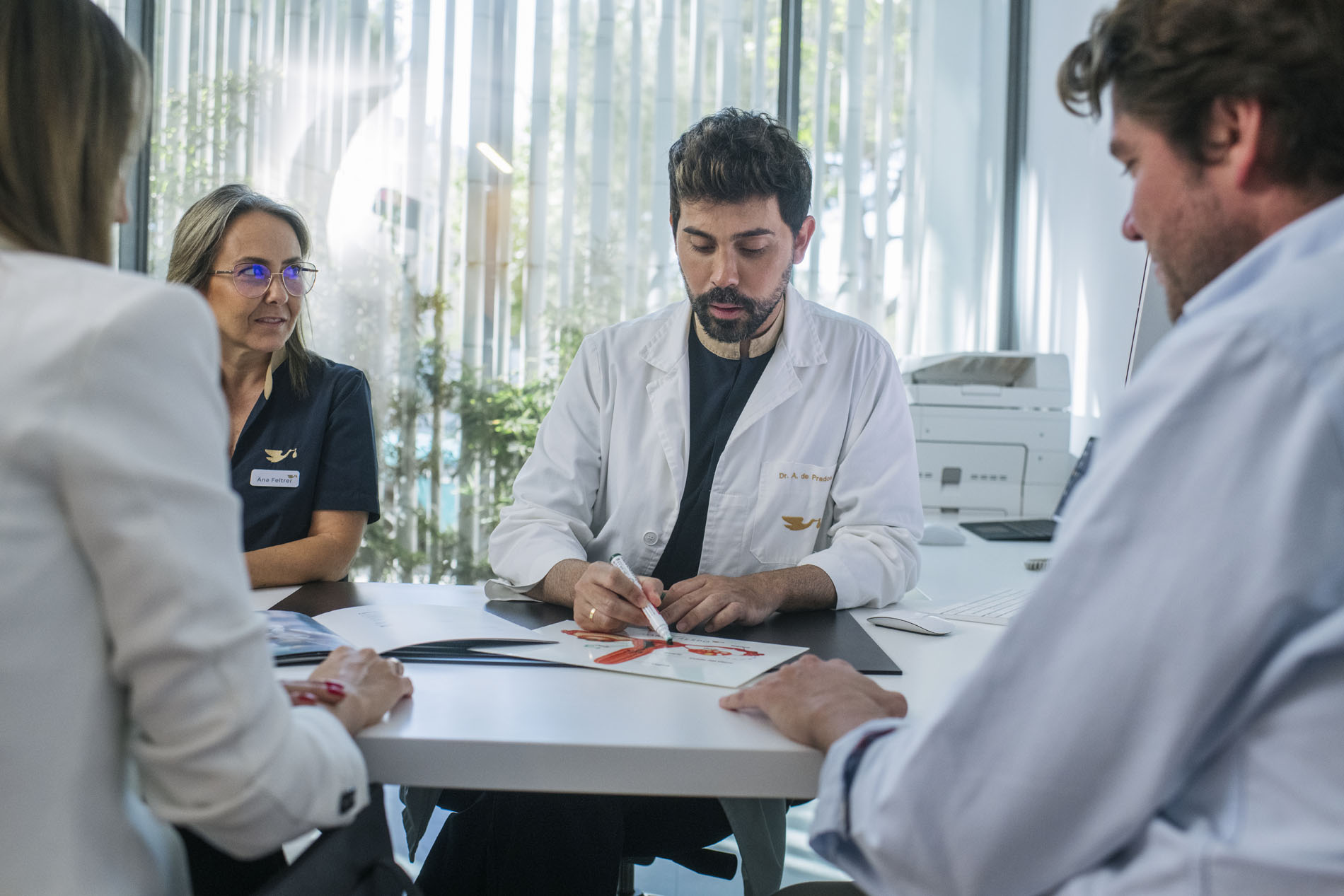
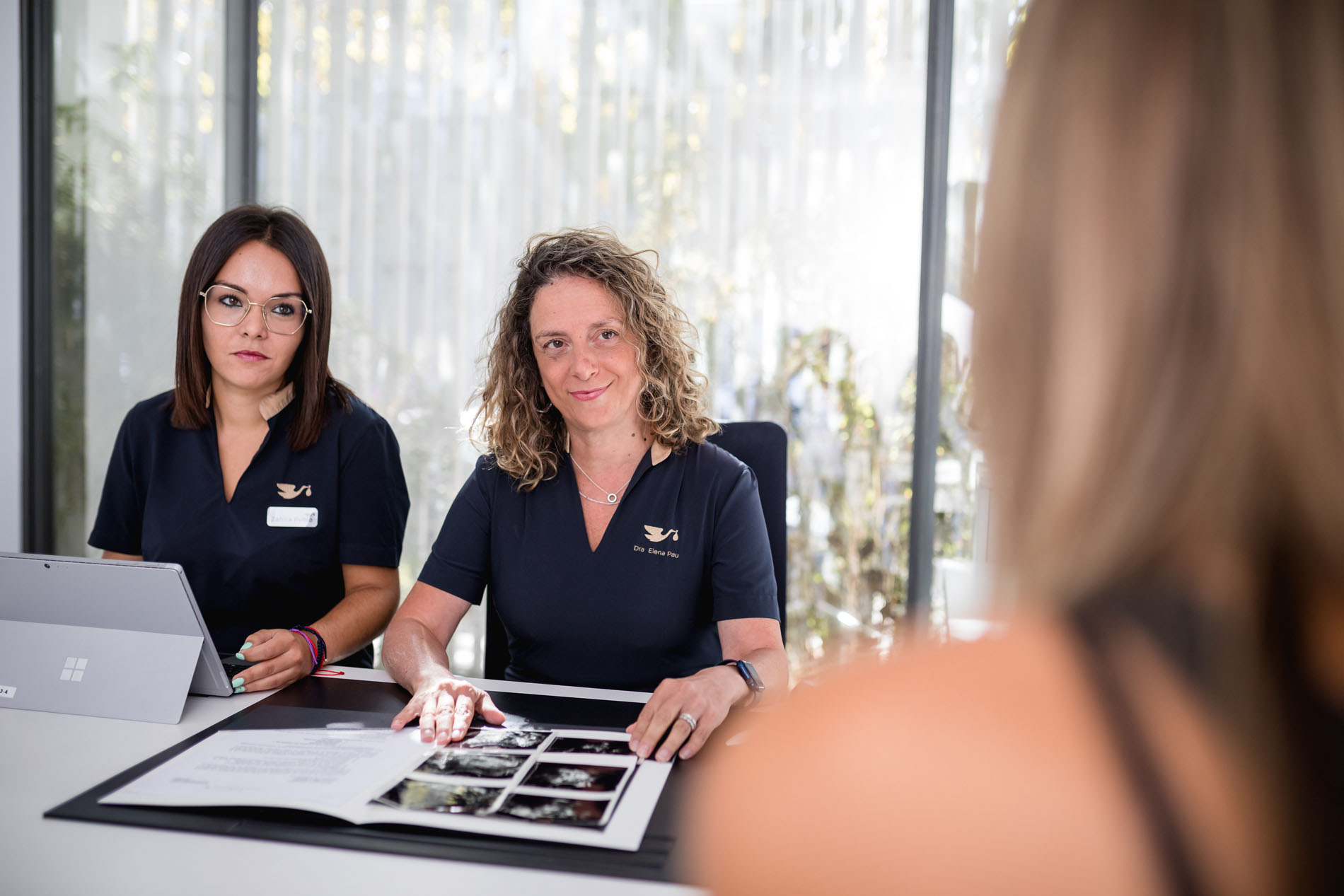
We are the only clinic where you will receive a personalized plan that includes a treatment strategy tailored to your case. Our team, trained and experienced in caring for LGBTQ+ patients, will support and advise you at all times.
2. Highly personalized endometrial preparation
Preparing the uterus is essential to achieving pregnancy, and any deficiency in this process may lead to implantation failure and early miscarriage. Our team works to optimize uterine conditions to ensure that both the endometrium—the receptive layer—and the other structures involved in placentation are in the most suitable state to receive an embryo.
3. Leading results in high-complexity fertility treatments
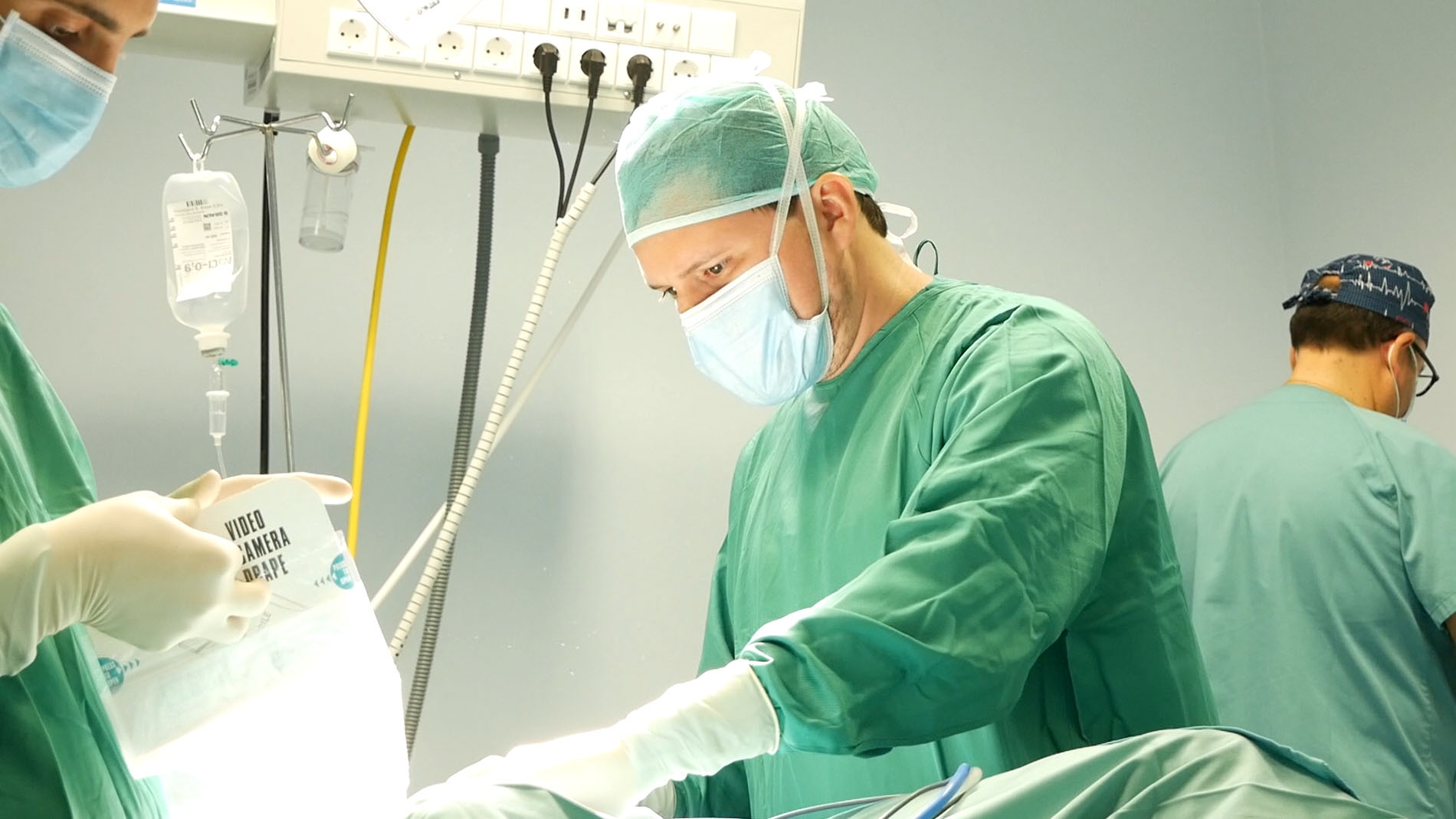
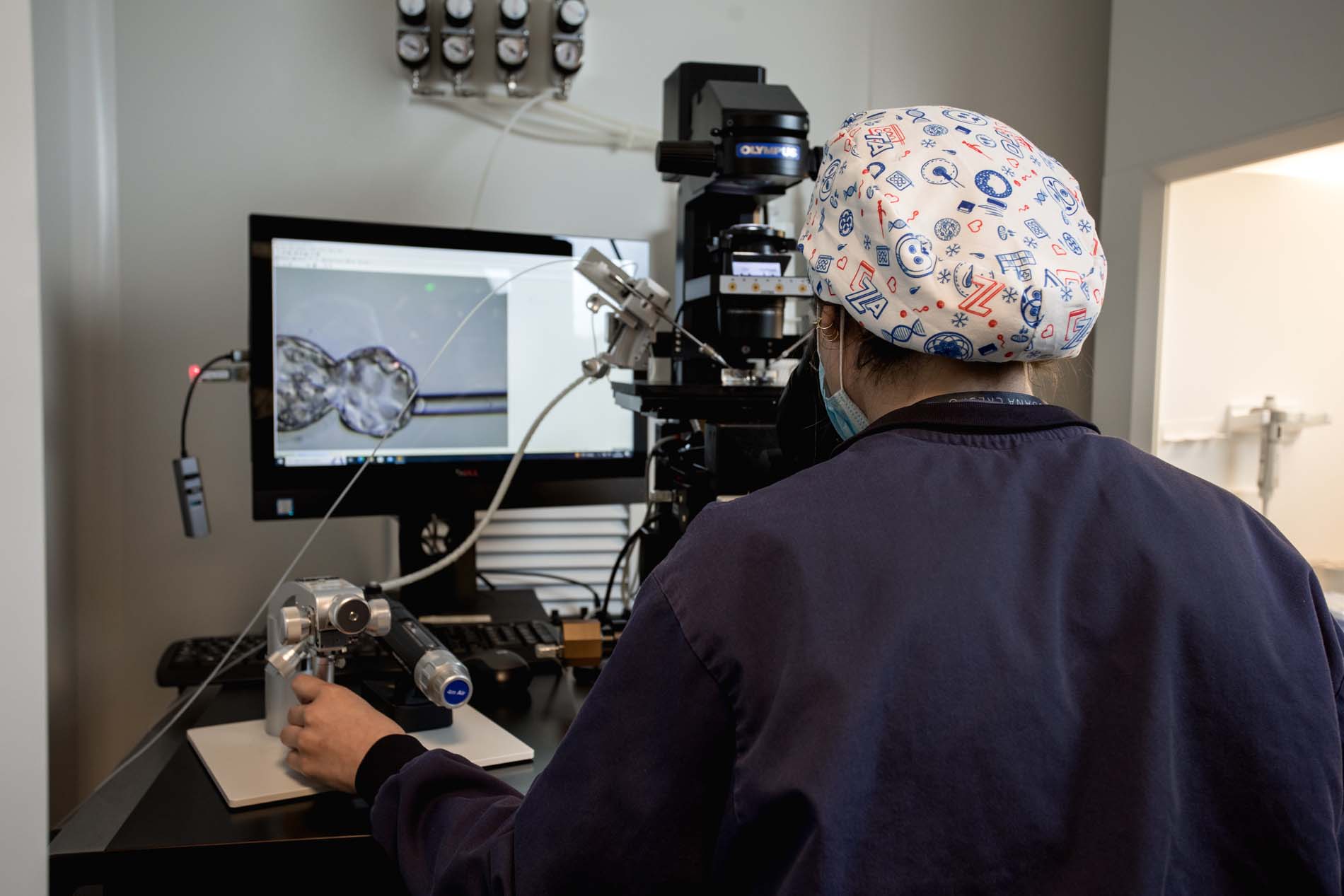
An entire team focused on achieving the best possible outcomes—our commitment is to help you build a family, whatever your situation. This requires a high level of specialization in every area, from consultations to the laboratory and the operating room.
FAQS
Can both women actively participate in the pregnancy process?
Yes. We offer treatments like the ROPA method that allow for shared motherhood, where one woman provides the eggs and the other carries the pregnancy. This way, you are both involved in the process from the beginning, experiencing it together.
Which treatment is more recommended: Artificial Insemination or In Vitro Fertilization?
This decision depends on factors such as age, ovarian reserve, medical history, and how long you have been trying to conceive. After an initial consultation, the Juana Crespo Team will advise you on the most appropriate treatment for your specific case.
Can we decide which of the two will be the surrogate or provide the eggs?
After the medical evaluation, you can choose who will carry the pregnancy or who will provide the eggs, provided the clinical conditions allow it. The goal is to tailor the treatment to your wishes and needs, respecting your family plans.


