


ejc_loader
  • Blog
  • LET'S TALK?

Your fertility
diagnosis

The Equipo Juana Crespo establishes the causes of a fertility
problem based on symptoms, indications, signs, or findings
visualized in diagnostic tests.

The most important step before starting fertility treatment

Fertility diagnosis is one of the most important processes in fertility treatment. It is the starting point on which the treatment strategy must be based and, therefore, will determine the final outcome.

At Equipo Juana Crespo, we offer the most comprehensive initial fertility diagnosis, which is used to develop the entire strategy for achieving pregnancy.


Fertility diagnosis
in highly complex
cases

In many cases, especially in highly complex patients, the patient comes in without clear evidence of the causes of her fertility problem, which is why it is generally classified as infertility of unknown origin.

The diagnosis at Equipo Juana Crespo is:

  • Based on medical information

  • Confirmed with complementary diagnostic tests

  • Studied and agreed upon by the medical committee

  • Completely personalized

Comprehensive fertility
diagnosis: specific and
scientifically rigorous

At the clinic, we have a diagnostic algorithm that all our specialists apply. It is a structured, systematic, in-depth, and fully personalized process that seeks to answer the following three questions in the most specific and scientifically rigorous way possible:

  • Why has this woman not achieved a successful pregnancy?

  • Is there a single determining factor or are there several low-impact factors combined?

  • What is the main problem? The absence of embryos, the achievement of pregnancy, or the viability of gestation of a healthy child

A good fertility diagnosis is not an indiscriminate battery of tests. It is a comprehensive evaluation of both female and male factors.

Main pillars on which the
diagnosis is built in the
Juana Crespo Team

1. Comprehensive general medical history

Age, length of time trying to conceive, menstrual cycle information, obstetric-gynecological history, chronic and/or autoimmune diseases, previous surgeries, etc.

2. Evaluation of ovarian factors. Quantity and quality

Basal hormone analysis with anti-Müllerian hormone, basal blood tests, antral follicle count by ultrasound, general blood tests, and study of previous oocyte history.

3. Evaluation of male factor

Complete semen analysis, complete urological evaluation (history of cryptorchidism, varicocele, exposure to toxins or aggressive drugs, erectile or ejaculatory dysfunction, hormonal studies), diagnostic testicular biopsy.

4. Anatomical evaluation of the woman

Anatomy of the uterus/endometrium, fallopian tubes, and cervix. Description of fibroids, polyps, hydrosalpinx, adenomyomas, etc. 3D evaluation of the uterine cavity, uterine mapping of fibroids.

5. Immunological and/or inflammatory factors, where applicable

Endometriosis, autoimmune diseases, celiac disease, insulin resistance, Th1-Th2 imbalance, antiphospholipid syndrome, coagulation disorders, etc.

6. Embryonic and genetic factors

Maternal-paternal karyotype alterations, dominant genetic diseases, matching combinations that can be addressed by PGT-M or PGT-S

7. Iatrogenic factor (previous failures in other treatments).

Uteruses with previous interventions, poor response to previous stimulations, etc.

What our personalized
diagnosis consists of

Once all the evaluation work has been completed, our patient will have:

  • Definition of the cause based on the study and interpretation of all findings.

    01
  • Realistic and personalized expectations of how many embryos can be obtained

    02
  • A realistic approximation or probability of pregnancy and newborn

    03
  • What difficulties are associated with this specific case

    04
  • An estimated time frame for achieving the goal.

    05

The most comprehensive
initial fertility consultation

The first fertility consultation with the Equipo Juana Crespo begins long before you arrive at our facilities. For you, it is your first experience with your medical team, but they have already spent the necessary time studying your case and your medical history.

Over 6 hours of preliminary study of your case

First visit
process

  • First contact call

    Even before you make an appointment, you will be attended to by a patient care team. We will focus all our efforts on listening to you to understand your case. The people who will attend to you are fertility experts and will be able to answer all your questions about how we work and our processes.

  • Preliminary interview

    Before your in-person appointment, you will have an online or telephone appointment with a nurse who specializes in fertility history. In this interview, the nurse will go over your previous tests and reports with you, as well as very relevant aspects of your lifestyle, your partner's family history, etc.

  • Preliminary study of the case by the medical committee.

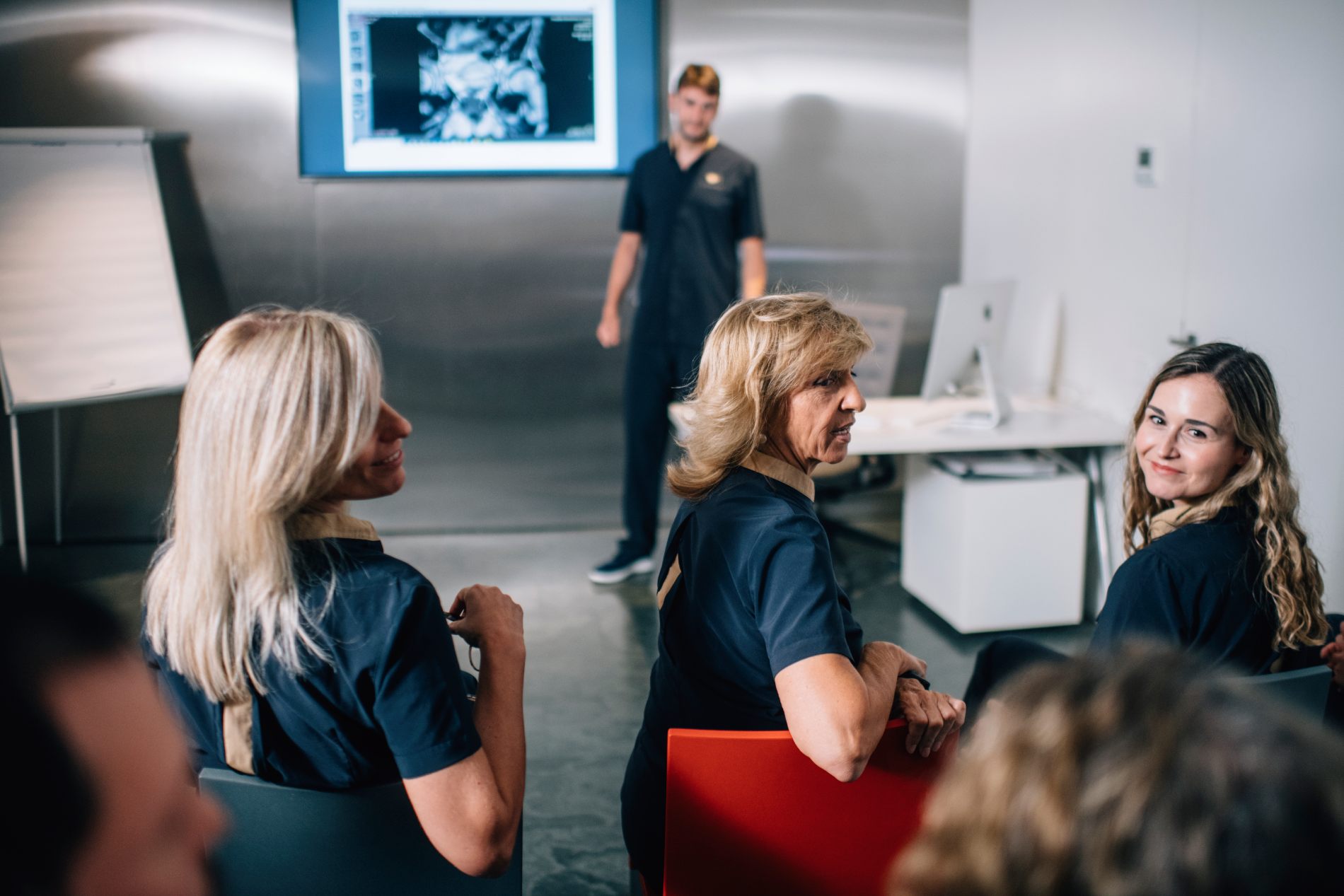
    Before you come in for your first visit, all of our specialists need to conduct a preliminary study of your case. This involves studying all of the tests provided and analyzing the medical history in advance. Discussing the case with other professionals helps to focus the examination of the patient on the day of her visit.

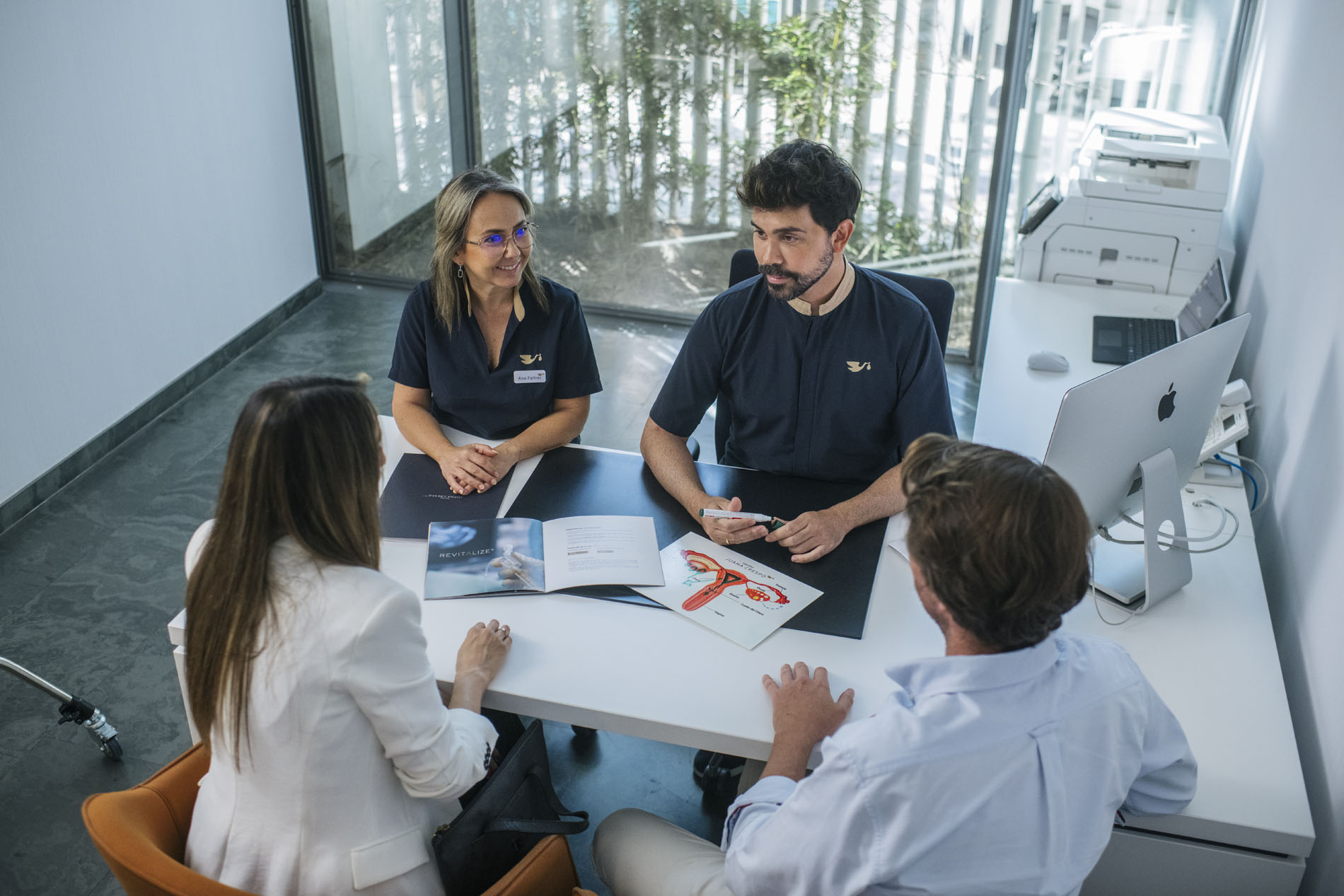
  • Visit with your specialist

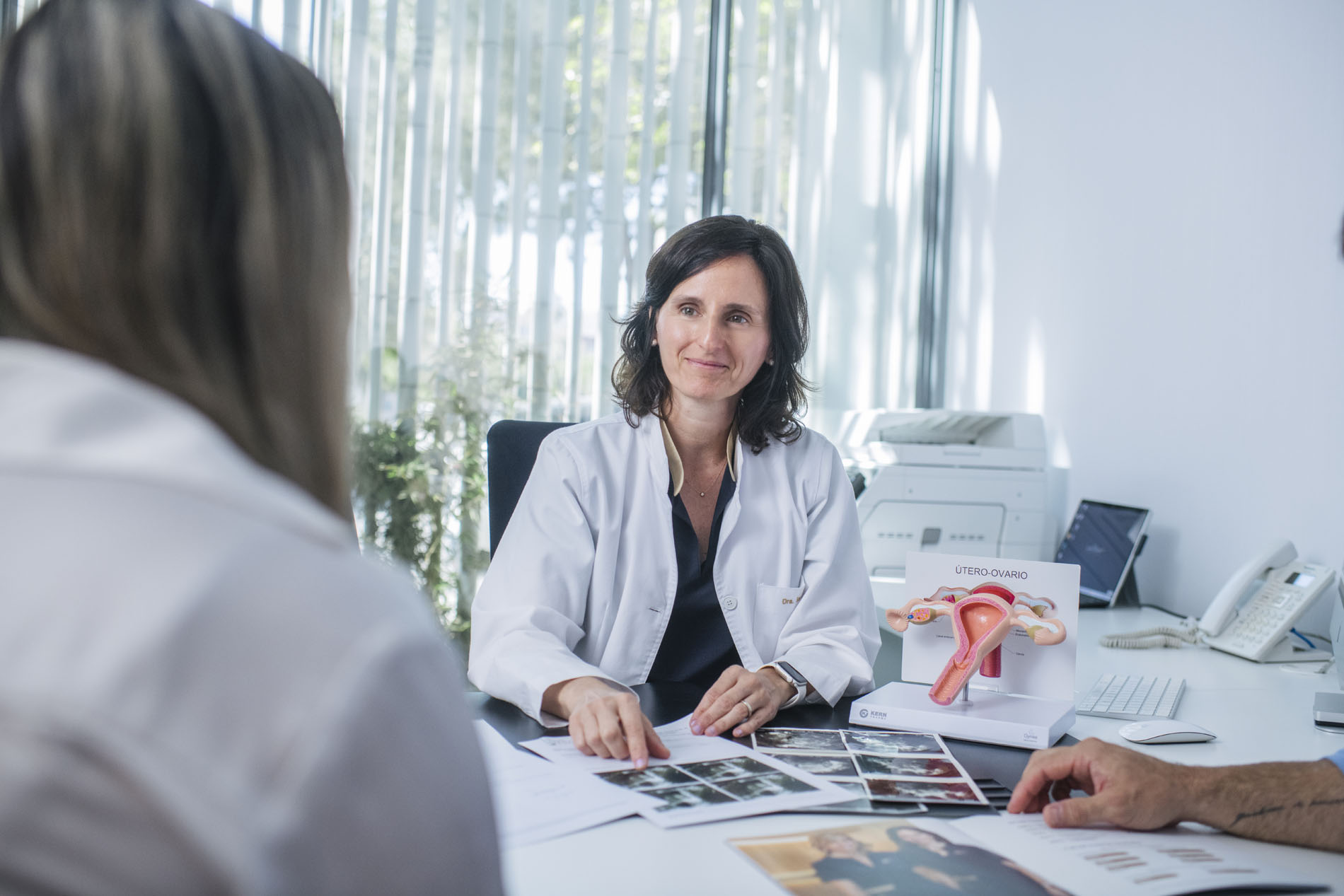
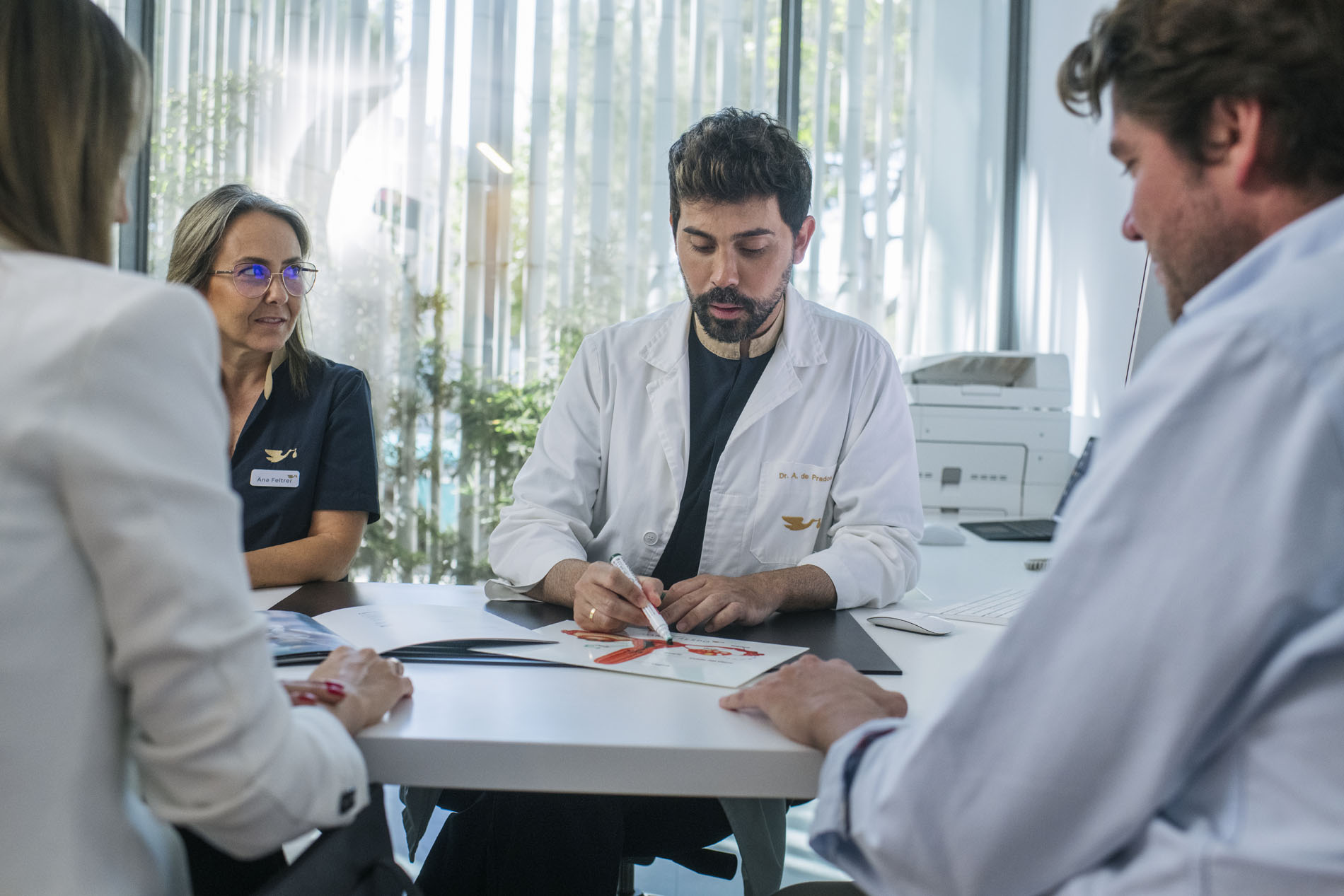
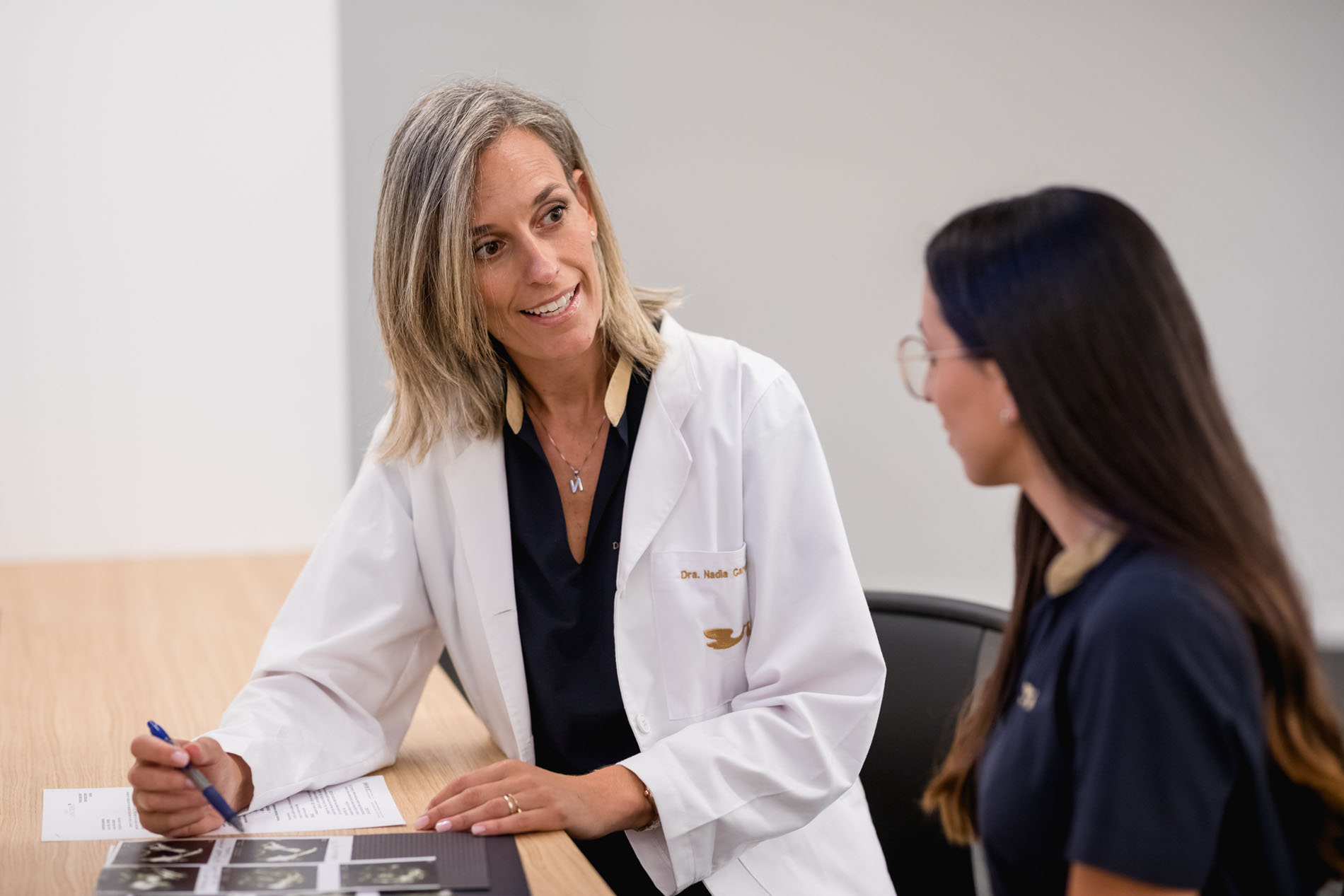
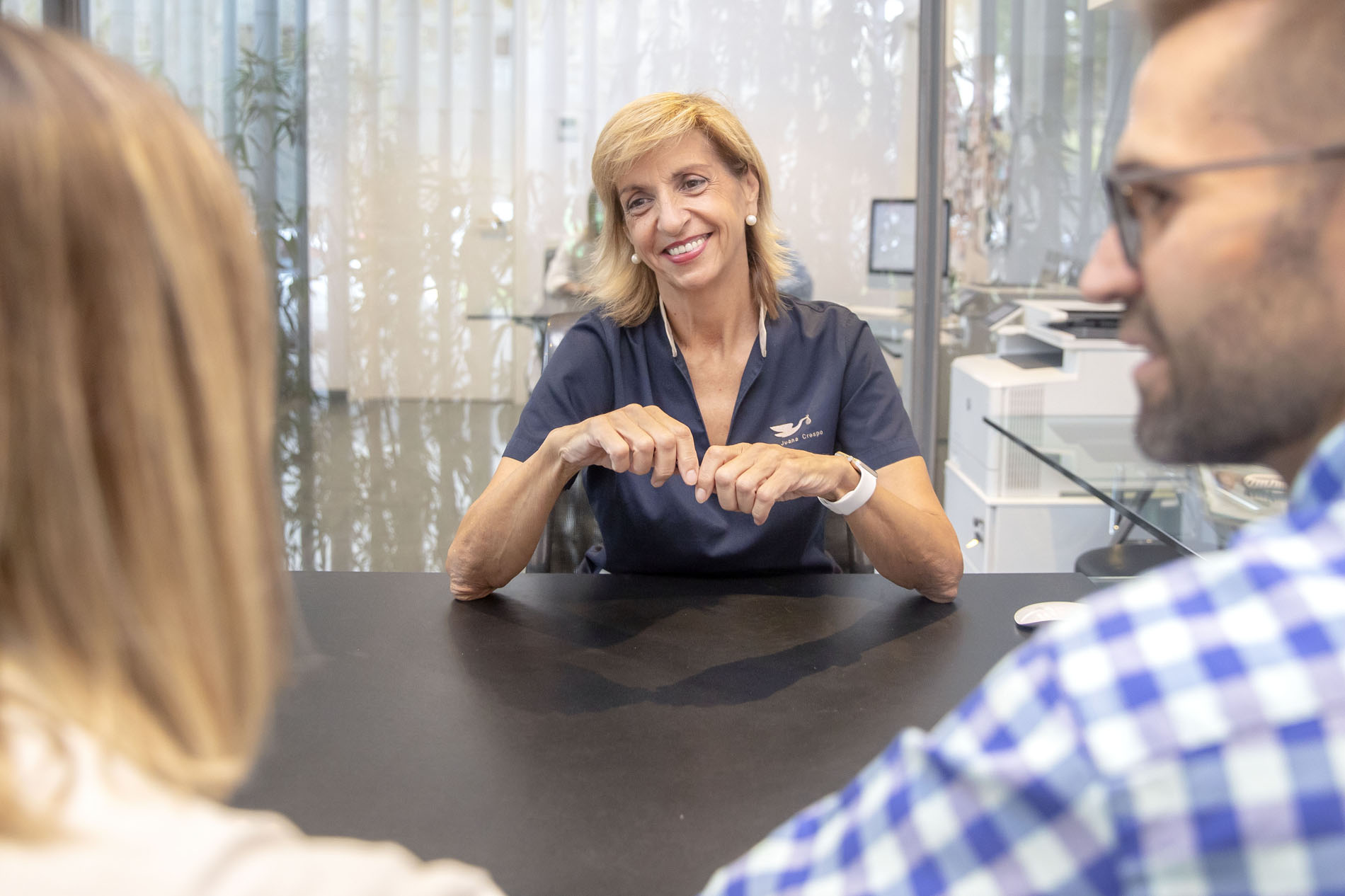
    The first fertility consultation can be online or in person. During this consultation, your case will be examined in depth and the specialist will explain their expectations regarding your treatment, as well as the different stages involved. You can ask the specialists any questions you may have.

  • Gynecological examination

    This is a 3D and 4D ultrasound scan that visualizes the entire female reproductive system: ovaries, fallopian tubes, cervix, and uterus. We have incorporated innovative software models for spatial reconstruction of the uterus, which are useful in the recognition and uterine mapping of uterine pathologies such as fibroids or malformations of the cavity. In addition, ovarian reserve is assessed by counting antral follicles and the anatomy and functionality of the endometrium is examined in depth.

  • Transfer test

    In addition to the gynecological examination, specialists will perform an embryo transfer test to determine cervical access and thus record both your anatomical peculiarities and specific needs in your medical history: type of cannula, type of transfer, previous cesarean section, etc.

  • Diagnosis

    We will define and explain the causes that are preventing pregnancy in your specific case.

  • Treatment strategy

    With all the information and diagnosis, your specialist will explain what goals and expectations we can achieve for your family project and will draw up an action plan to achieve it.

FAQ

What additional diagnostic tests?

The most common additional tests we usually prescribe are

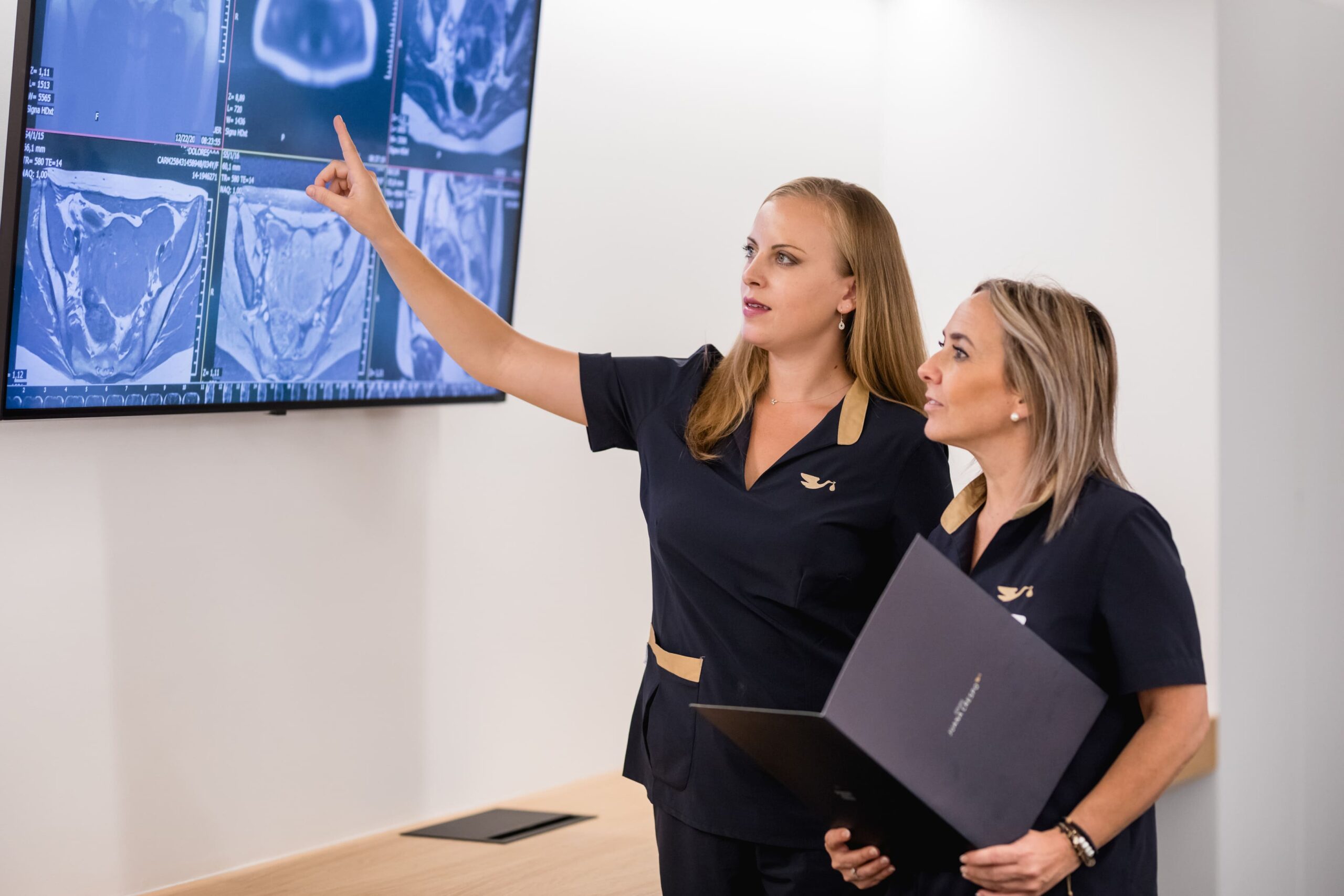
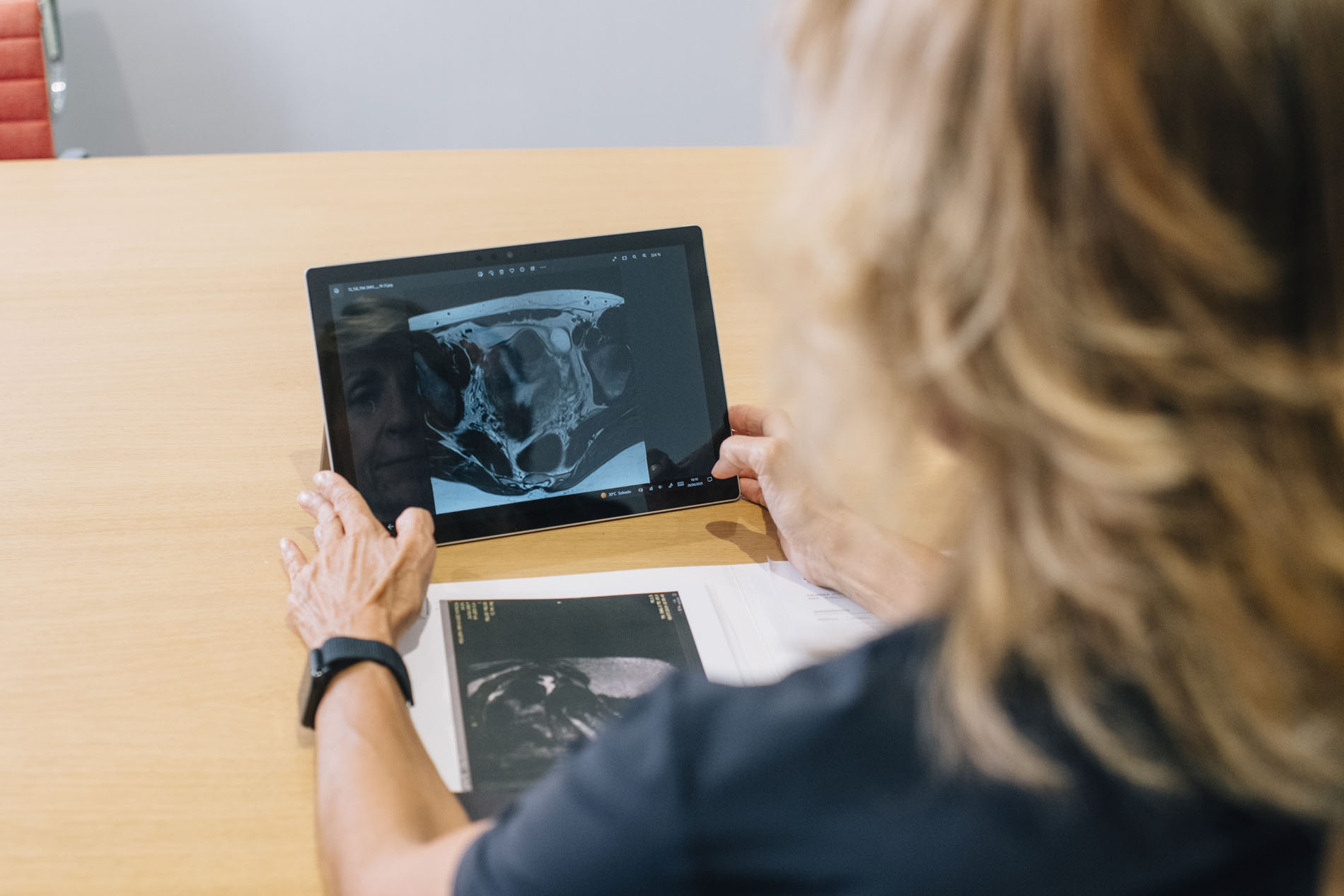
  • Magnetic resonance imaging (MRI). This test allows us to visualize all the tissues of the female reproductive system. It is very useful, but it requires a great deal of experience and knowledge to detect subtle abnormalities. Interpreting an MRI correctly takes years of practice and experience.
  Hysterosalpingography to check the condition of the fallopian tubes and rule out lesions at this level.  Sometimes there are problems inside the uterus (such as polyps, small adhesions, or irregularities) that are not seen in routine tests. If they are not detected, they can make it difficult for the embryo to “attach” properly and for the pregnancy to progress. Hysteroscopy in the clinic is the test we use to check the uterine cavity very close to the transfer date. It allows us to easily look inside the uterus with very fine cameras to see the cavity and endometrium directly,  and thus rule out causes of non-implantation such as endometritis, among others.   Also, depending on each case, we may need to perform
  • Additional analysis of cycle hormones.
  • Analysis of implantation failure/recurrent miscarriage
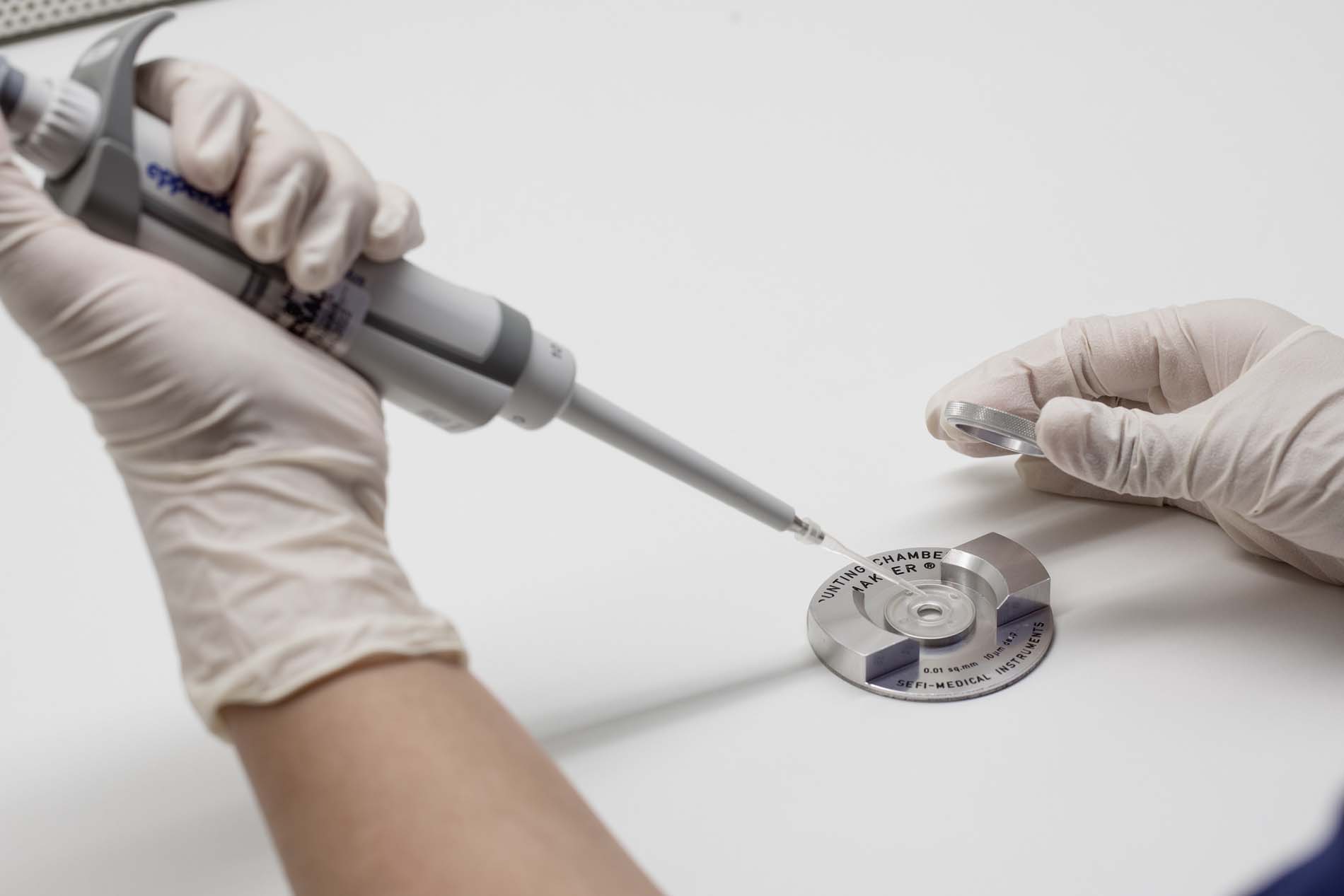
  • Semen analysis 

¿Por qué es tan importante el diagnóstico en un tratamiento de fertilidad?

El diagnóstico de fertilidad para Equipo Juana Crespo va más allá de las pruebas diagnósticas recurrentes de otros centros. Se trata de entender qué está sucediendo en el sistema reproductor de la mujer para que no se de un proceso biológico que debería ser natural.

Why is diagnosis so important in fertility treatment?

For the Equipo Juana Crespo, fertility diagnosis goes beyond the routine diagnostic tests performed at other centers. It involves understanding what is happening in the woman’s reproductive system so that a biological process that should be natural does not occur.

What are the main causes of infertility?

The main cause of infertility is reproductive aging, which affects both gametes (eggs and sperm) and other reproductive organs in both women and men. Other causes of infertility may be due to genetic factors, anatomical factors such as Müllerian malformations, autoimmune diseases, etc. The most important thing is to understand that in most cases there are several factors involved in the failure to achieve a successful pregnancy.

+34 961 042 557