







“Ongoing pregnancy with a healthy live birth after cervical cancer: Cervical prosthesis”

Summary:
A 29-year-old woman attended the clinic after undergoing a radical trachelectomy for stage IB1 cervical adenocarcinoma, with preservation of part of the uterus.
Her medical history included two previous spontaneous pregnancies that ended in miscarriage, likely due to bacterial infections in the vaginal cerclage performed after the trachelectomy.
She came to the high-complexity fertility clinic Equipo Juana Crespo to undergo a deferred IVF treatment and achieve pregnancy. This required reproductive surgery by hysteroscopy with placement of a cervical prosthesis, followed by its removal.
After the surgeries and personalized treatment, the patient achieved a first pregnancy resulting in a healthy live birth.
Medical history
29-year-old woman seeking pregnancy, diagnosed with cervical adenocarcinoma.
Previous fertility-preserving oncological surgery, including:
- Trachelectomy (resection of the uterine cervix)
- Sentinel lymph node study
- Pelvic lymphadenectomy
Two late miscarriages (beyond 18 weeks of gestation)
Two previous vaginal cerclages
One abdominal cerclage by laparoscopy
Previous treatments:
Four artificial inseminations with no positive result
Diagnosis:
Cervical incompatibility with possible pregnancy through the external cervical os located in the first third of the cervical canal after abdominal cerclage, preventing embryo implantation and pregnancy.
Polycystic ovaries (PCO)
Implants due to retrograde menstruation
Adhesions in the pelvic surgical area (left iliac fossa)
High risk of hemoperitoneum during embryo transfer
Therapeutic plan
A comprehensive approach was designed, including:
- Controlled ovarian stimulation: obtaining embryos.
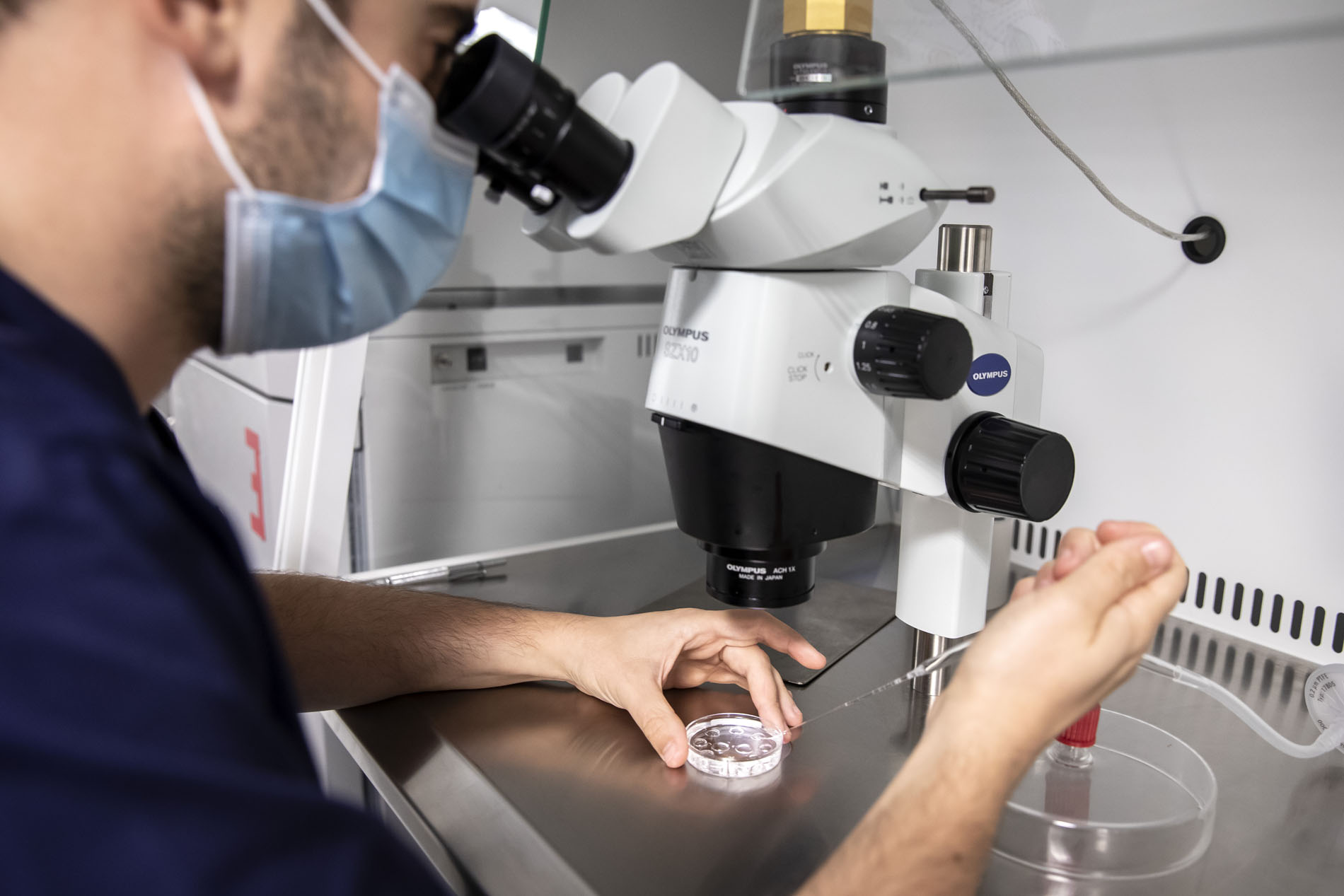
Stimulation was carefully planned due to her high follicular count, resulting in 18 good-quality embryos.
- Advanced uterine and cervical assessment
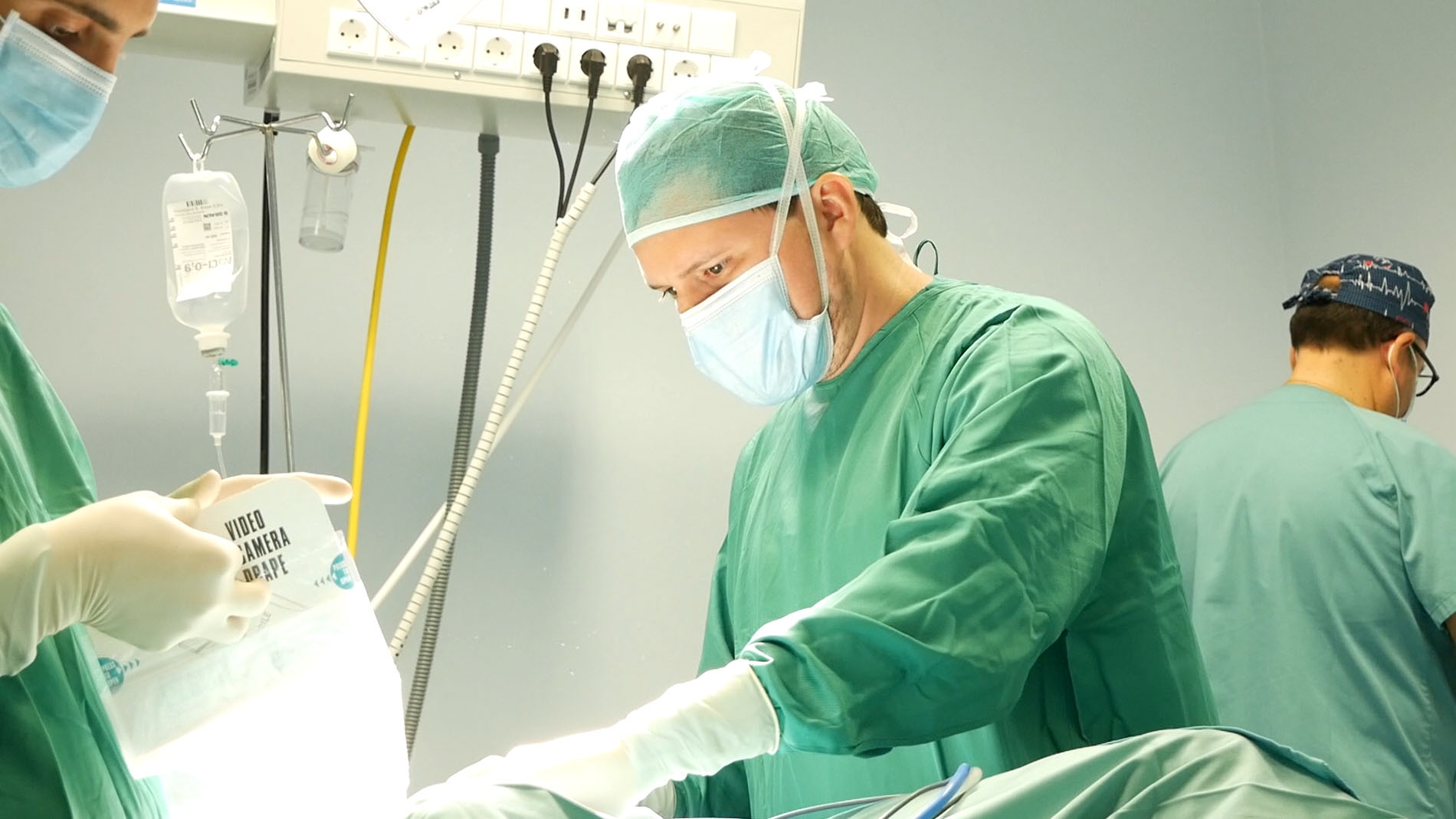
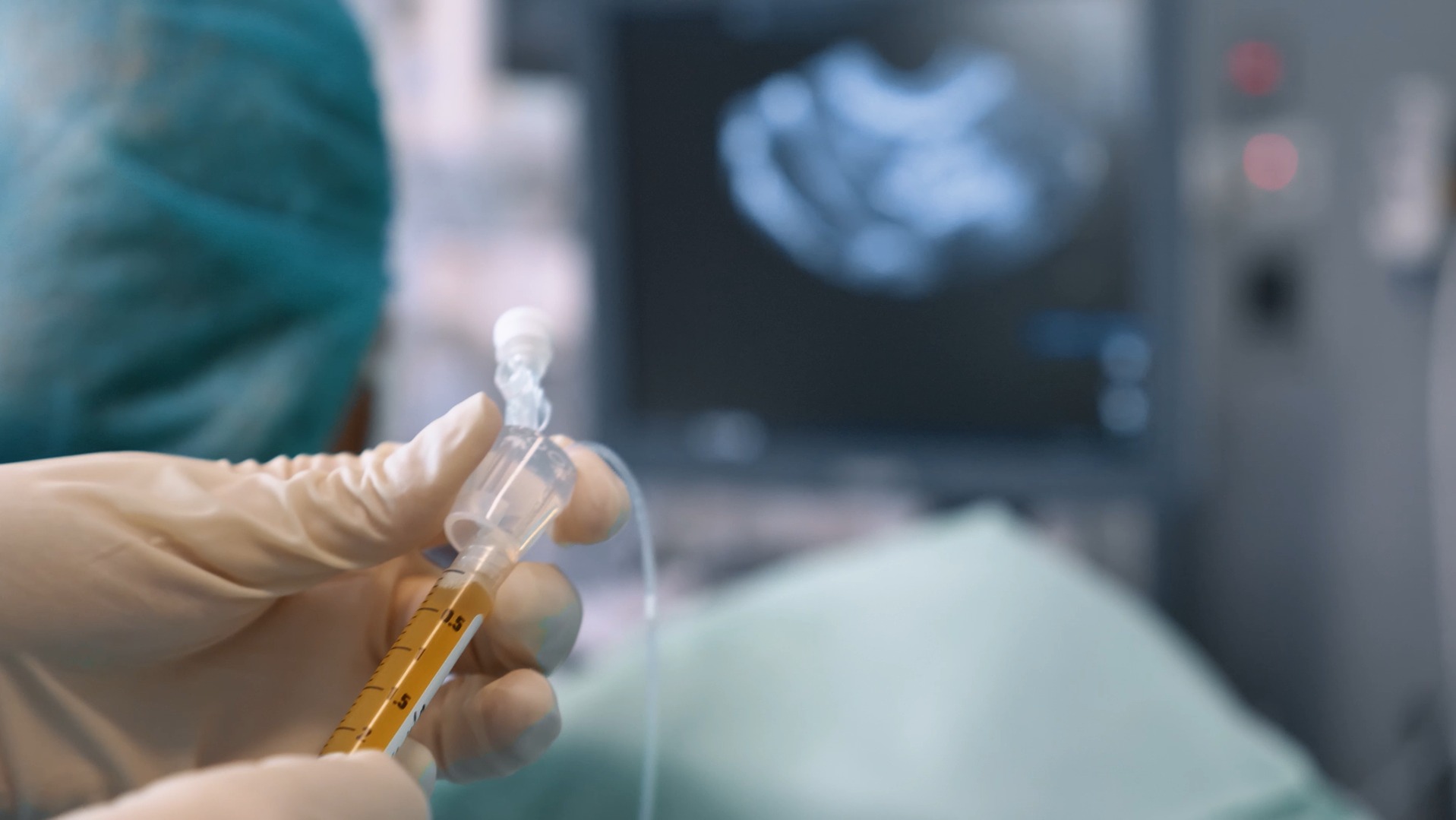
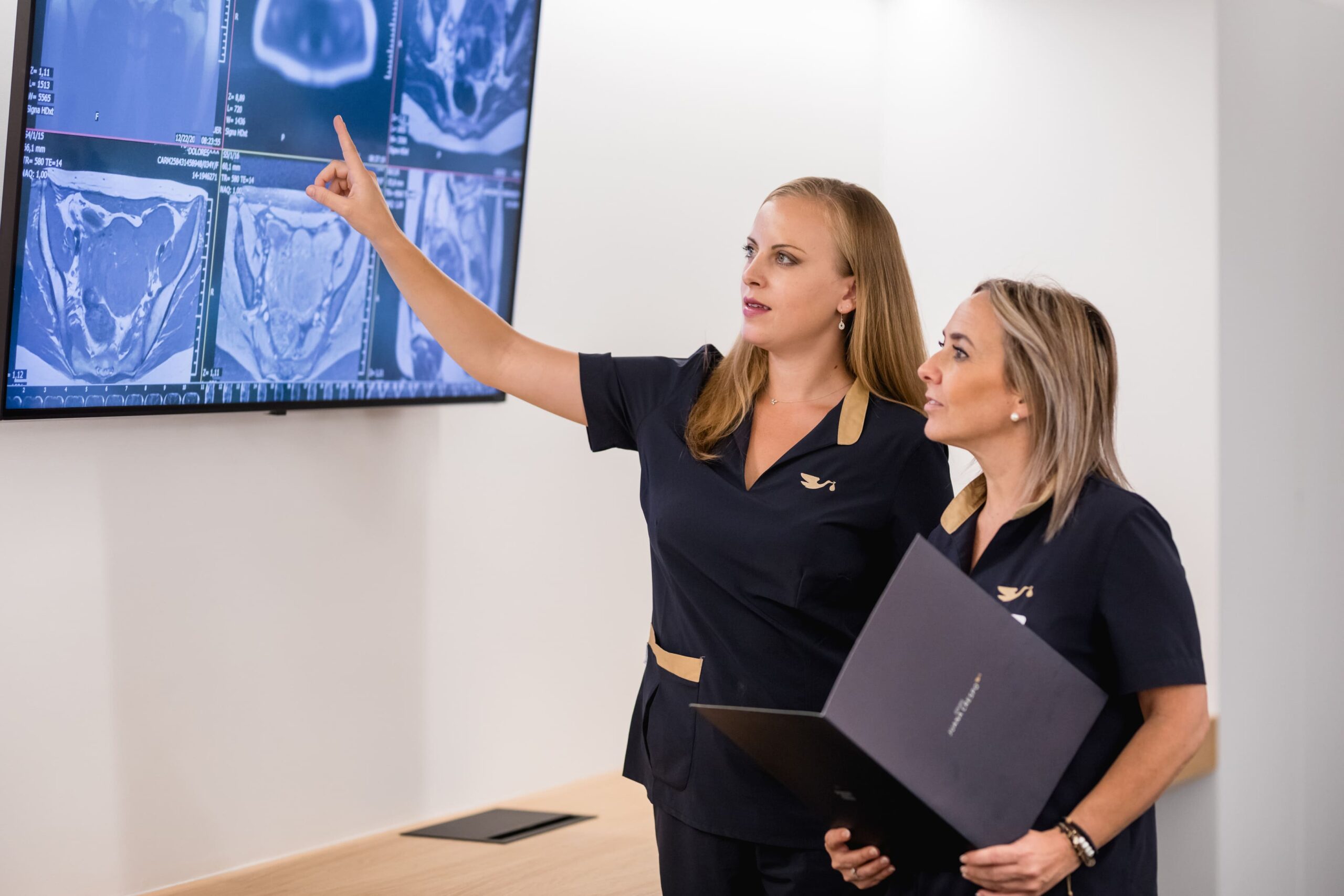
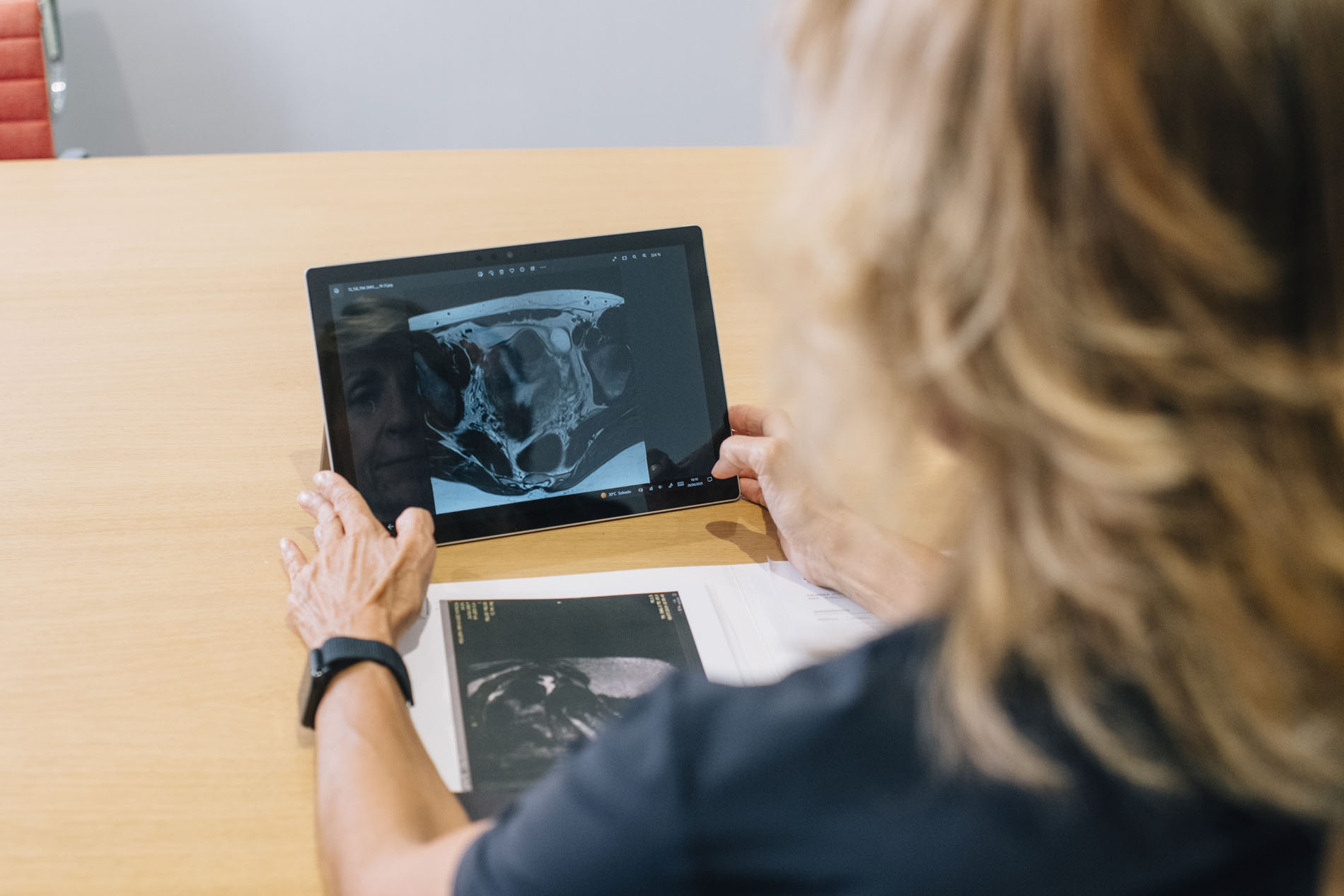
The evaluation was completed with magnetic resonance imaging (MRI), followed by diagnostic and therapeutic hysteroscopy under sedation, during which reparative uterine microsurgery was performed along with a novel surgical approach involving the placement and subsequent removal of a cervical prosthesis.
Surgical innovation: customized cervical prosthesis
The embryo transfer was expected to be highly complex due to the sequelae of the oncological treatment. For this reason, a customized cervical prosthesis was designed to facilitate access and optimize the transfer. The cervical prosthesis consists of a biocompatible conical device, carefully placed to allow access for the transfer. Its placement requires detailed anatomical knowledge of the cervix, individualized to each case, and a precise surgical technique to ensure correct positioning.
This innovative technique was developed and applied by Dr. Gómez and Dr. Crespo, marking a milestone in post-oncological fertility approaches.
Endometrial preparation and embryo transfer
During the endometrial preparation phase, led by Dr. Fortuño, mock transfers were performed to accurately map the pathway to be followed on the key day.
- The second embryo transfer was successful.
- The pregnancy progressed without complications.
The treatment culminated in the birth of a healthy, full-term newborn at more than 39 weeks of gestation.
Three years later, thanks to the previously planned strategy, the patient achieved a second successful pregnancy, confirming the effectiveness of the multidisciplinary and personalized approach.
Conclusion
This case shows that, even after a complex oncological and surgical diagnosis, it is possible to achieve motherhood with the help of innovative techniques, surgical planning, and a highly specialized medical approach.


