









What is unexplained infertility?
Unexplained infertility is generally a diagnosis given to couples when, after performing basic female and male fertility tests, the specialist has not found conclusive evidence of what is preventing pregnancy.

Unexplained infertility is generally a diagnosis given to couples when, after performing basic female and male fertility tests, the specialist has not found conclusive evidence of what is preventing pregnancy.

All infertility
has a cause.
Infertility can be defined as the inability of a couple to achieve pregnancy
after more than one year of unprotected sexual intercourse. After this period,
we recommend beginning a basic fertility study comprising examinations
and diagnostic tests for both partners.
Statistically, 30% of infertility is attributed to female causes, 30% to male
causes, 20% to mixed causes and, when the couple does not fall into any of
these categories, then it is diagnosed as unexplained infertility.
One of the main difficulties in diagnosing and treating unexplained infertility is that there isn't a single obvious problem; rather, it involves multiple factors. This type of infertility affects several organs to varying degrees, making it very difficult to diagnose with conventional or basic fertility tests.
Egg and sperm
quality
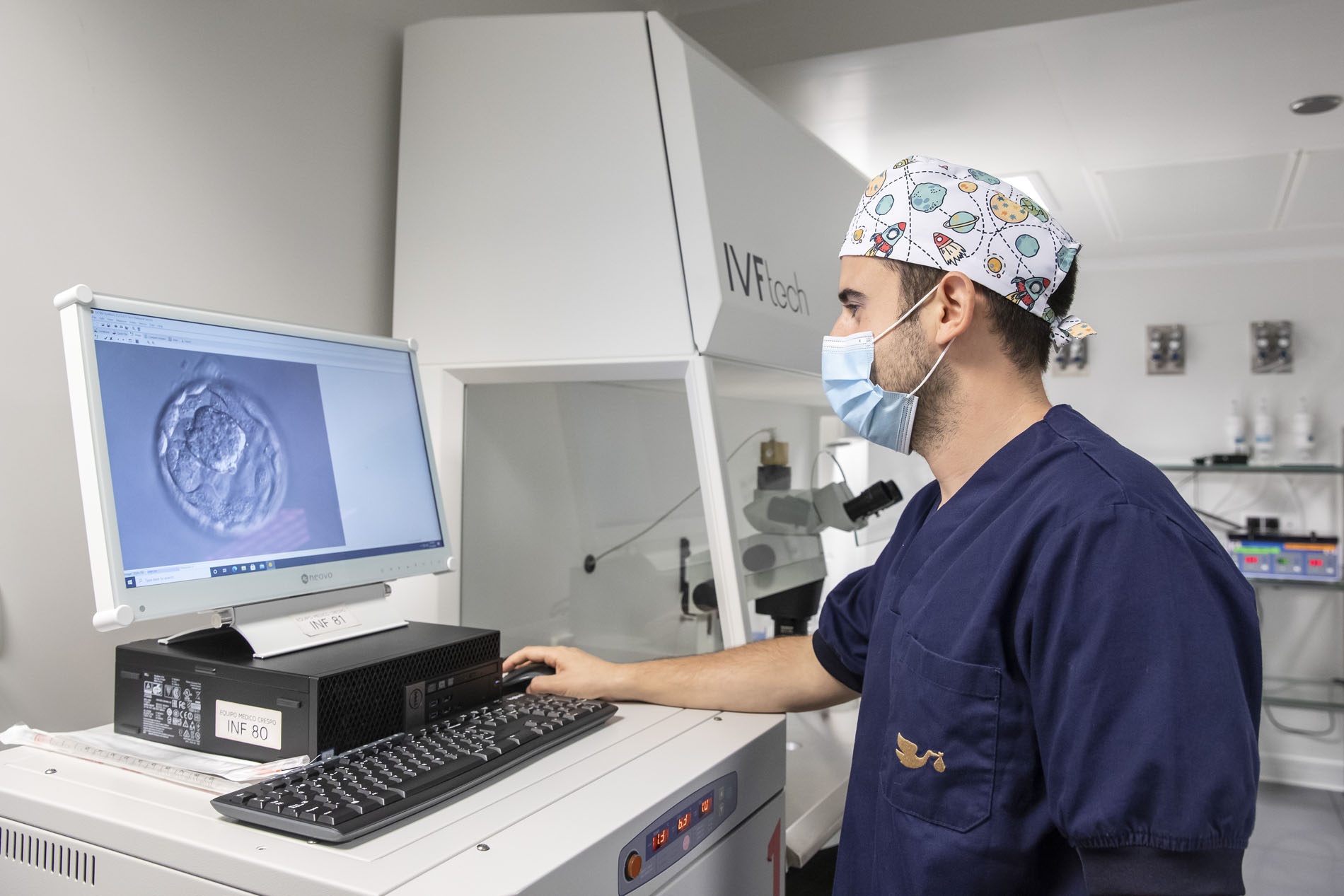
Sometimes, other causes of unexplained infertility are related to the quality of the eggs and sperm. Poor quality eggs and/or sperm with genetic abnormalities can lead to difficulties in fertilization and/or the formation of an abnormal embryo or one of suboptimal quality for resulting in a live birth.
Implantation problems due to poor endometrial receptivity or structural problems
of the uterine cavity also represent a significant group of EODs.

Unexplained infertility
diagnostic procedures
To establish an adequate treatment for unexplained infertility,
a series of diagnostic tests must first be performed to detect the
origin of the problem preventing pregnancy.
The protocol for diagnosing unexplained infertility consists
of performing different types of tests and analyses:
When assessing the infertile couple, both partners must be examined.
The fundamental supplementary test, in addition to the basic male study, is a semen analysis to examine the morphology, number and motility of sperm.
The supplementary tests to the basic female study are: transvaginal ultrasound, tubal patency test, and a baseline hormone profile. It is important to complete the study with other hormones such as prolactin and those defining thyroid function, as these can be important in patients with ovulation problems.
Hysterosalpingography is a diagnostic test performed by X-ray and contrast to visualise the morphology of the uterus and fallopian tubes.
It is performed in the X-ray or radiology room at centres specialised in diagnostic imaging, is for outpatients, and lasts about 15 minutes.
During the examination, the radiologist observes the trajectory of the contrast through the tubes to determine if these are patent or if, on the contrary, there is something that prevents the contrast dye from circulating well during its journey to the abdomen. This would be a case of blocked tubes.
Tubal patency is essential to achieve a natural pregnancy.
3D and 4D ultrasound produces high-resolution images to obtain a more complete study of reproductive system morphology, rule out pathologies that may compromise success, and reach a more accurate diagnosis. Ultrasound produces static three-dimensional images, while with 4D, three-dimensional moving images can be obtained.
The most specific technique for studying the cervical canal and uterine cavity. It affords a direct view of the anatomy of the space that first receives the embryo before implantation (the endometrium). It also helps to solve pathologies such as polyps, myomas and even highly complex cases that require remodelling of the entire cavity due to the presence of scar tissue that prevents proper embryo implantation.
Pelvic MRI is one of the best diagnostic imaging tests to visualise all pelvis structures and therefore the entire reproductive system.
This test’s major challenge lies in the ability and knowledge of the specialist to interpret the findings that sometimes are not obvious and require individualised study time and experience.
MRI has been a basic fertility test since Equipo Juana Crespo first started out.
MRIs allow us to study pathologies such as uterine fibroids, endometriosis, Müllerian anomalies, etc. with greater precision.
Treatments in cases of
Unexplained Infertility
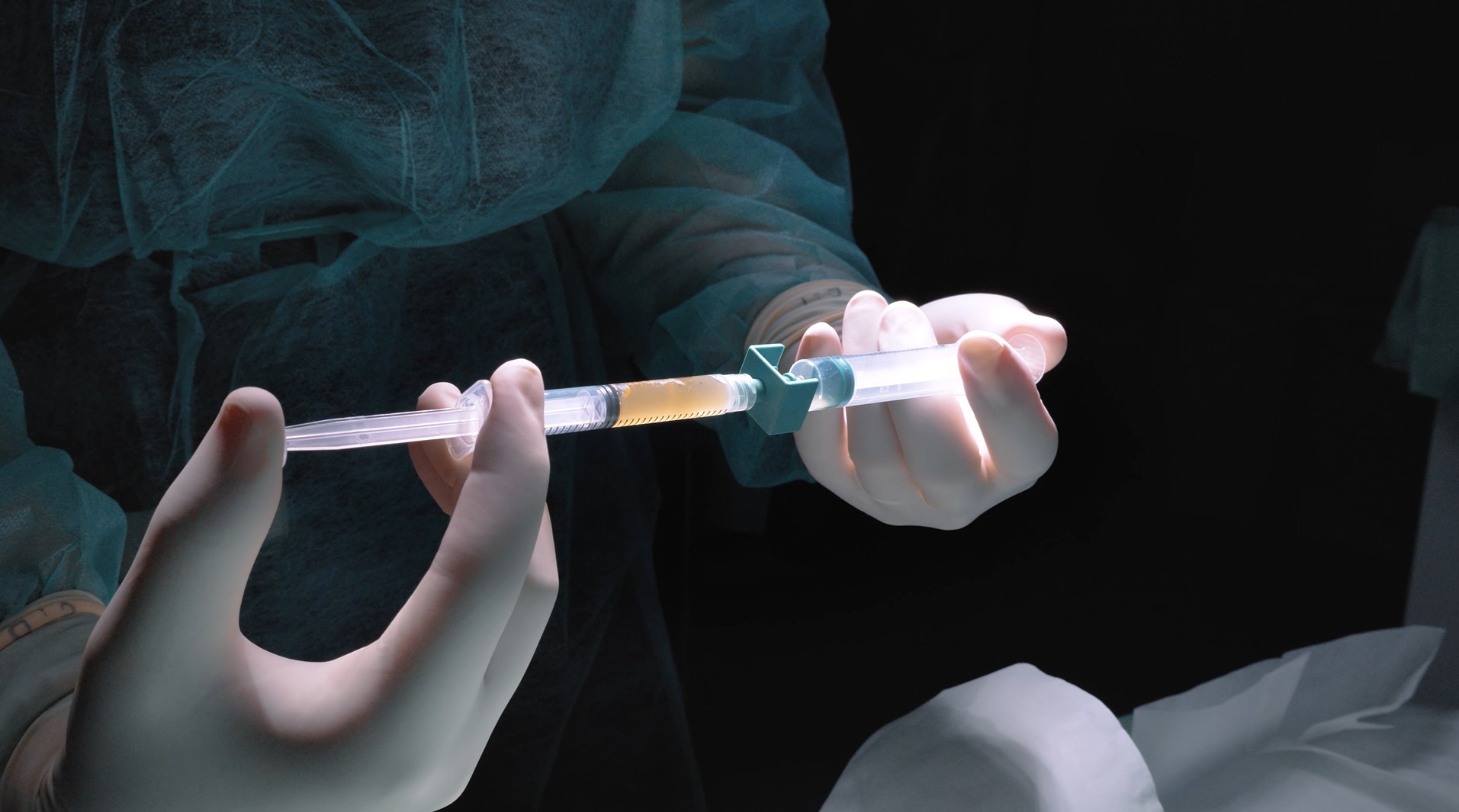
Depending on the results obtained, different types of treatments will be considered to address infertility of unknown origin.
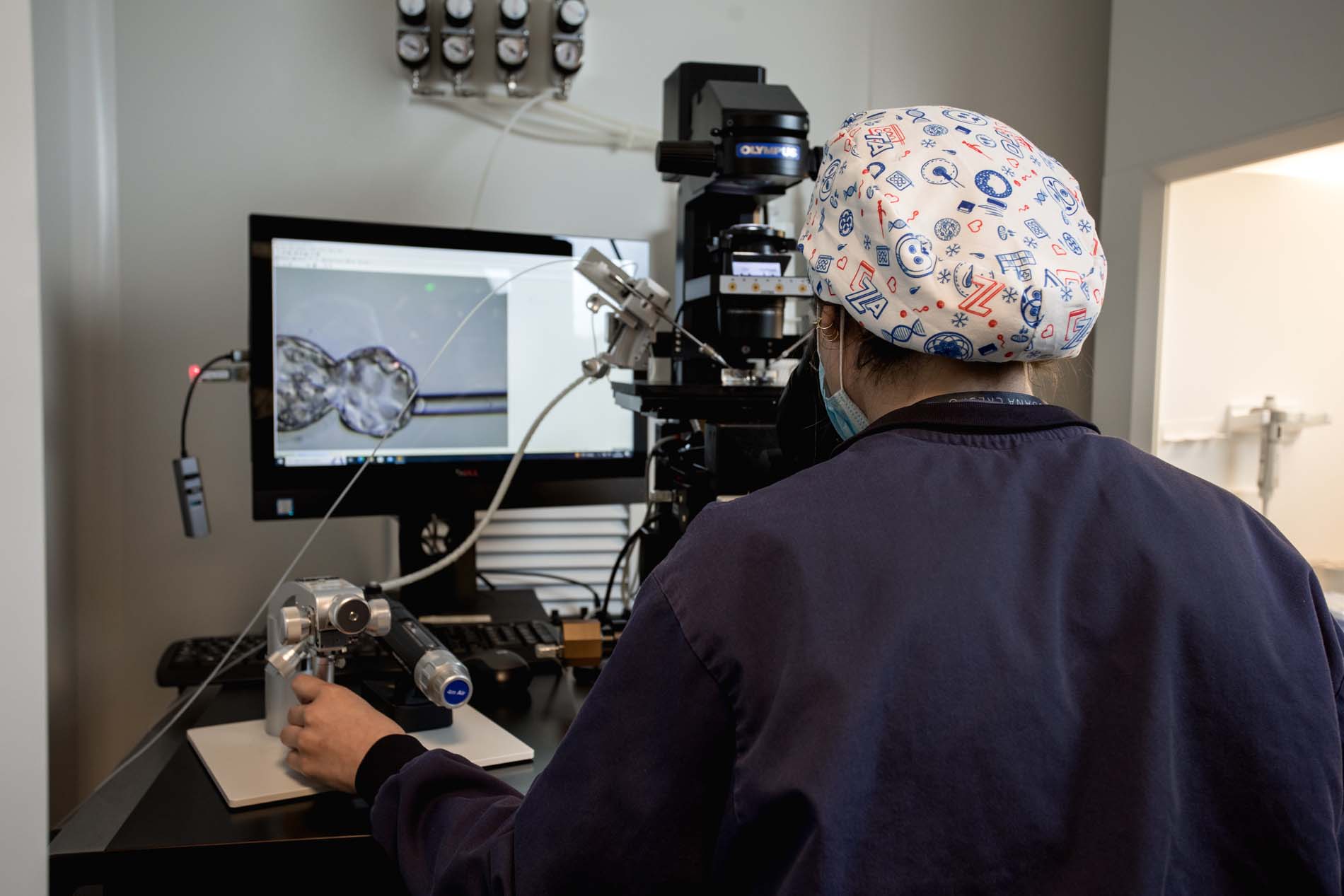
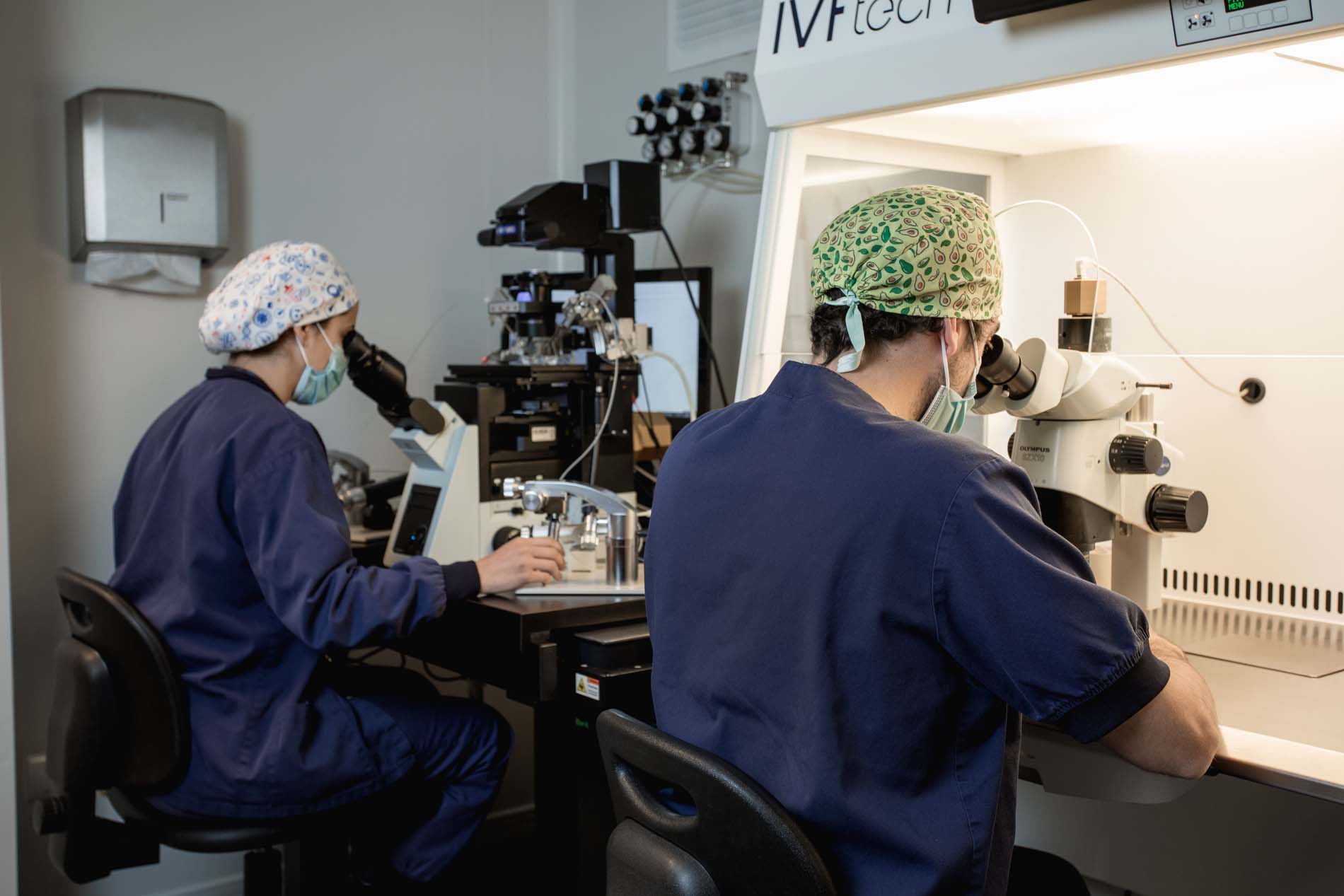
It is a treatment aimed at uniting the egg and sperm in the laboratory to obtain embryos that will be transferred to the uterus to achieve pregnancy. IVF is not only a therapeutic method but also a diagnostic one that allows the identification of causes of infertility that cannot be identified with current diagnostic tests. This is the case, for example, with fertilization failures that can be easily diagnosed in the laboratory.
This innovative procedure, developed by the Juana Crespo Team, revitalizes the uterus and ovaries, improving the function of both organs. This revitalization increases the chances of embryo implantation and, therefore, of pregnancy using the patient's own eggs.
This technique involves in vitro fertilization using eggs from an anonymous donor. The technique allows the donated egg to be fertilized with the male partner's sperm, with the aim of implanting the resulting embryo to achieve pregnancy.
Let’s take a look at some FAQs about unexplained infertility that may answer some of your questions and shed more light on this issue.
Statistically speaking, it is established that 30% of infertility cases are due to male causes, 30% to female causes, and 20% to mixed causes. The other 20% are due to unknown causes that do not fall under common diagnoses. Such cases are unexplained infertility.
Each treatment must be personalised and the choice of one or another will depend on the results of the different diagnostic tests. Potential treatment options include In Vitro Fertilization, Revitalize or egg donation, depending on the results of the tests and considering the most advisable treatment in each case.
Yes. With an accurate diagnosis that provides favourable results for the right treatment and does not reveal that natural gestation is impossible, pregnancy is possible.


