







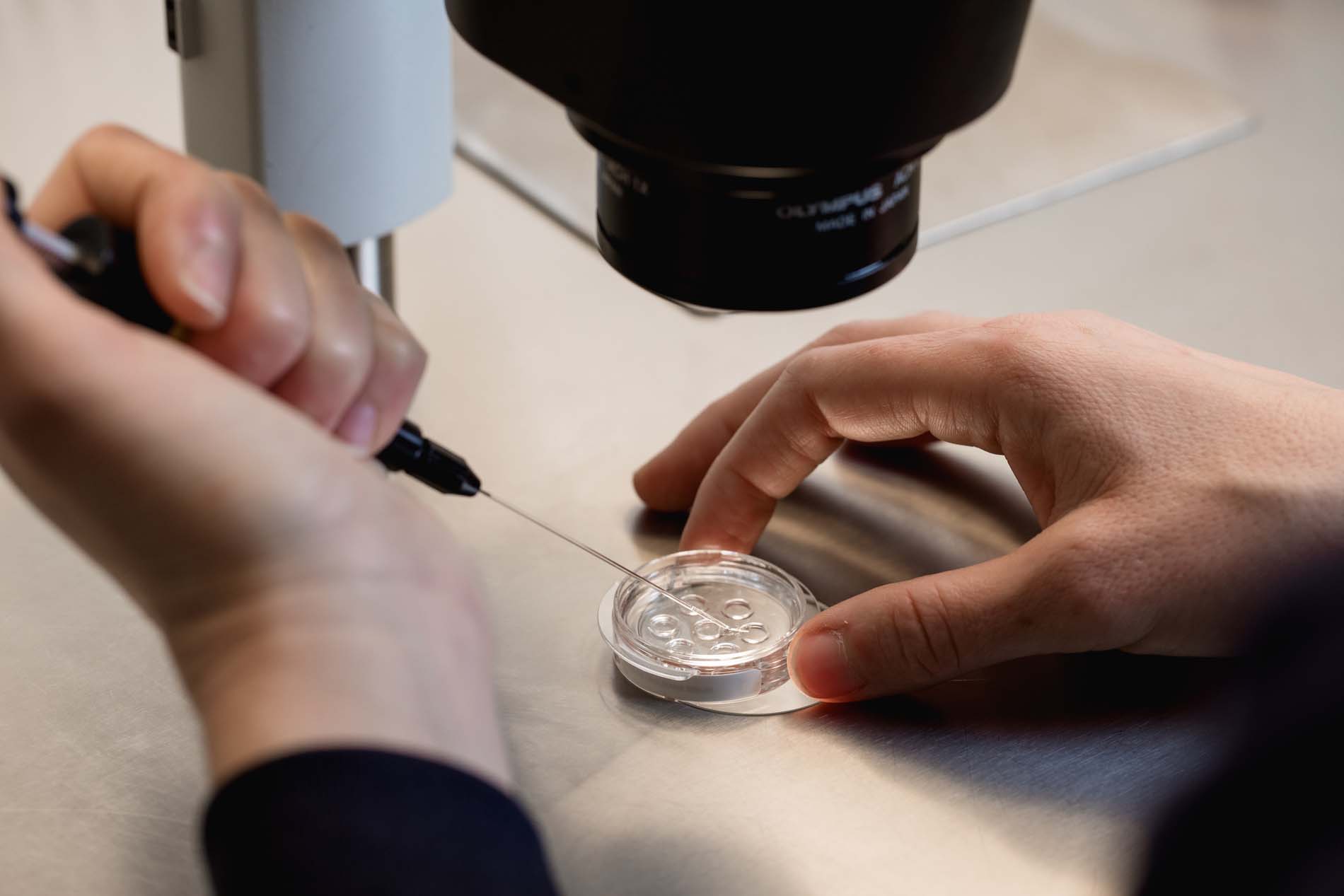




What is male infertility?
Male infertility refers to the inability of a man to achieve a spontaneous pregnancy after one year of sexual intercourse without using contraceptive methods.

Male infertility refers to the inability of a man to achieve a spontaneous pregnancy after one year of sexual intercourse without using contraceptive methods.

Infertility in couples can originate in either partner, despite the mistaken belief that fertility problems are exclusive to women.
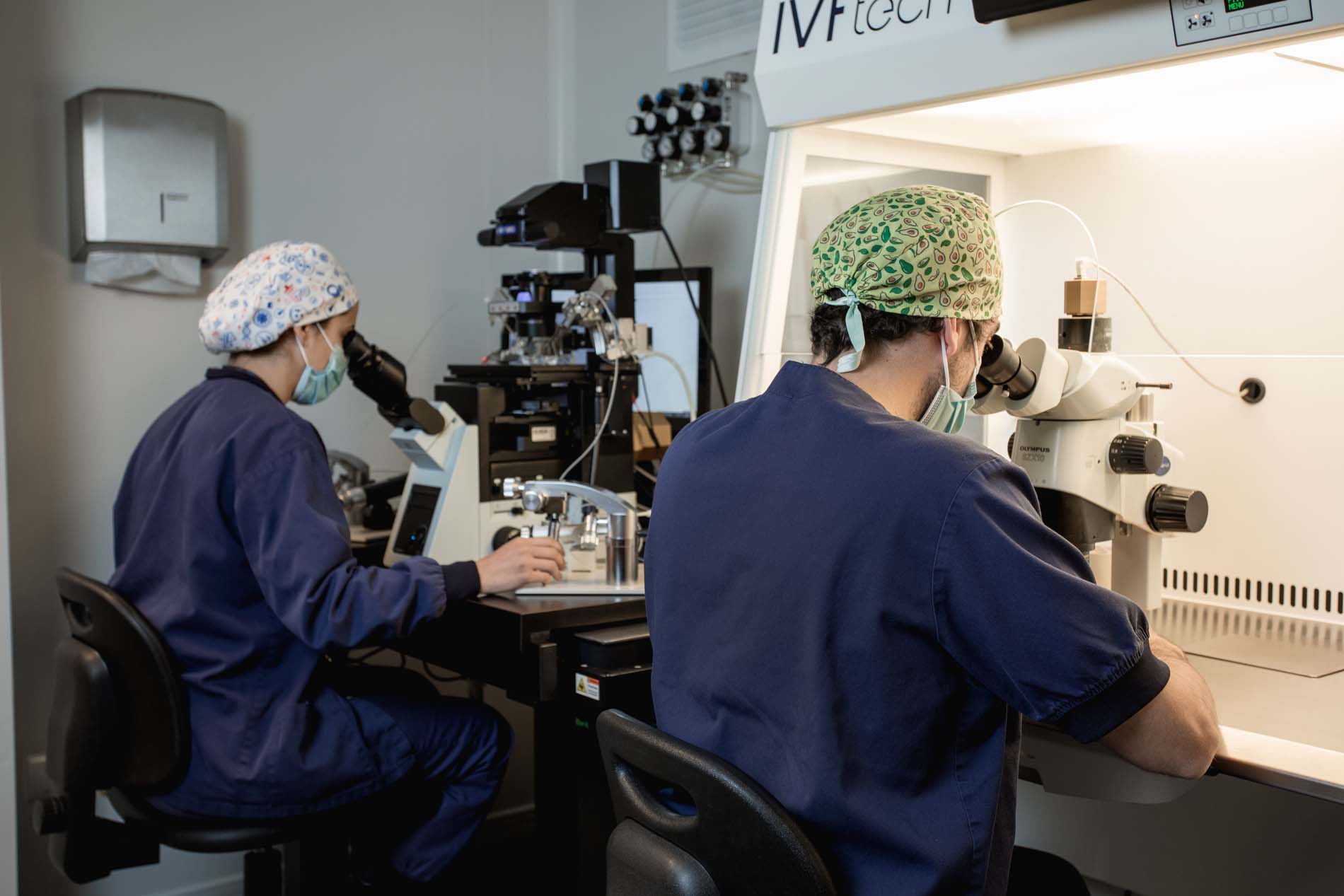
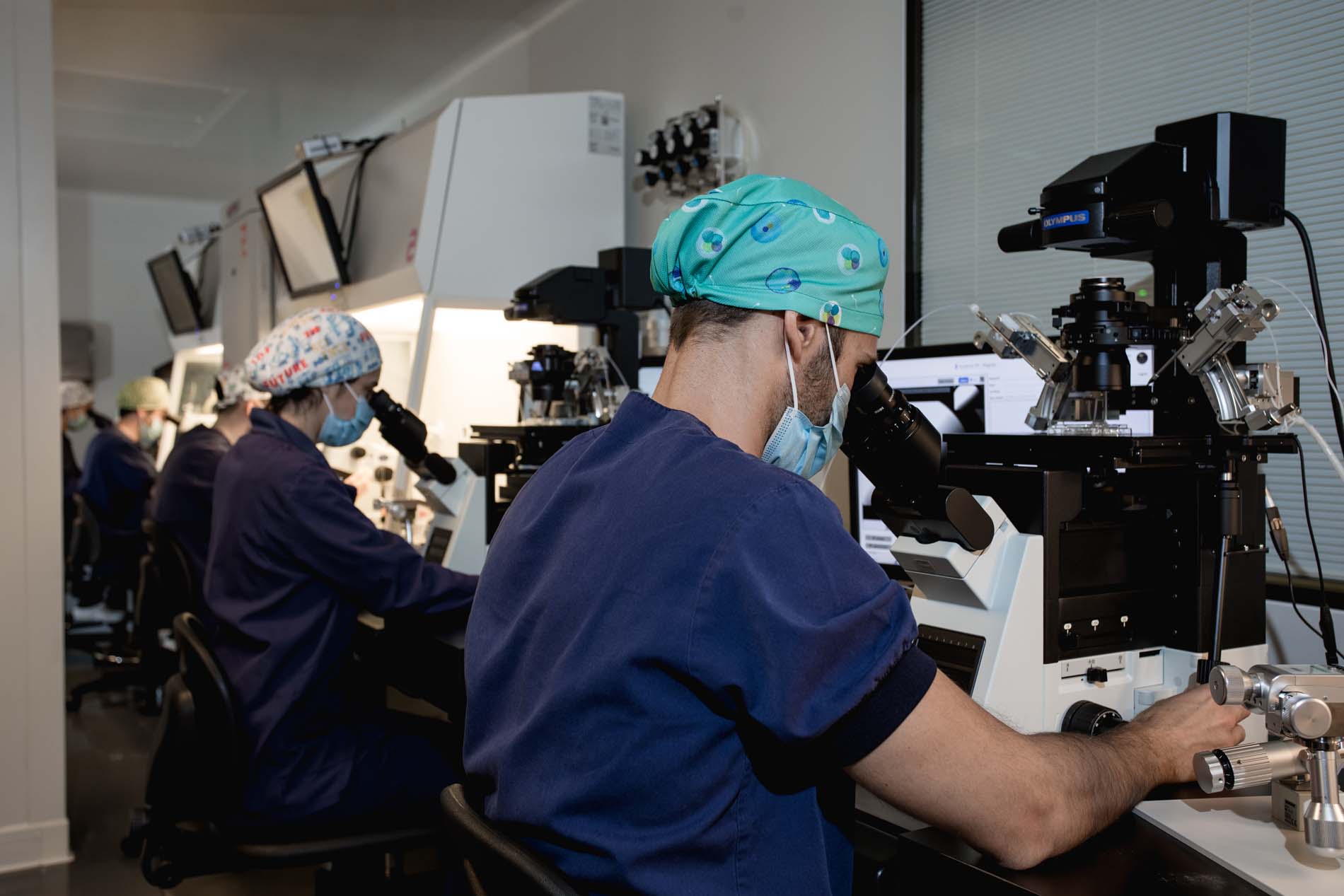
Equipo Juana Crespo believes in the importance of performing comprehensive fertility studies for men as well as women. We have a specialised andrology unit offering expertise through its diagnostic capacity to evaluate sperm functionality and the application of pioneering techniques for the selection of optimal gametes free of genetic abnormalities.
Our urology unit specialising in infertility and men's health treats all possible prostate, urinary and hormonal pathologies that compromise a man's fertility.
Causes of male infertility
The reasons for male infertility can be varied and even multivariate. Therefore, Equipo Juana Crespo believes it is essential to know the cause(s) leading to infertility to establish the right solution. We only start treatment if we find the specific cause.
The most common causes include:
-Retrograde ejaculation: Retrograde ejaculation occurs when semen enters the bladder instead of emerging through the penis during orgasm.
-Hormonal problems: These are often behind many cases of male infertility. The most common include certain problems in the pituitary gland or thyroid.
-Autoimmune problems: Some people’s immune systems can accidentally eliminate sperm as if it were a virus. Sperm quality may therefore be affected.
-Varicocele: Varicoceles are varicose veins that appear in the scrotum and make it difficult for blood to circulate properly. This condition occurs in 40% of infertile men.
-Genetic diseases: Genetic diseases may also be a cause of male infertility.
In addition to the above, there may be other external factors that lead to male infertility.
Environmental factors are a common cause. These include overexposure to pesticides, mercury radiation or heavy metals, which reduce sperm quality.
Other external causes that compromise fertility include excessive exercise, continuous stress or toxic habits such as drinking alcohol or smoking. Obesity and male infertility are also closely related, as obesity directly affects semen quantity and quality.
The most obvious symptom of male infertility is the inability to achieve pregnancy. However, there are other signs that suggest a potential fertility problem.
Another common infertility symptom is suffering from some kind of sexual dysfunction. If there is a problem with ejaculation, it is usually associated with a decrease in ejaculated fluid, erectile dysfunction, etc. These symptoms could (but not always) be a clear indication that there is a male infertility problem.
If suffering from any of these alterations, we recommend visiting a specialist to perform the necessary tests.
At Equipo Juana Crespo, the process for studying male, and female, infertility begins with an initial, comprehensive visit to examine lifestyle, family history, medical tests, etc. This is to establish which tests are required for an accurate diagnosis. The main diagnostic tests for performing a comprehensive examination include:
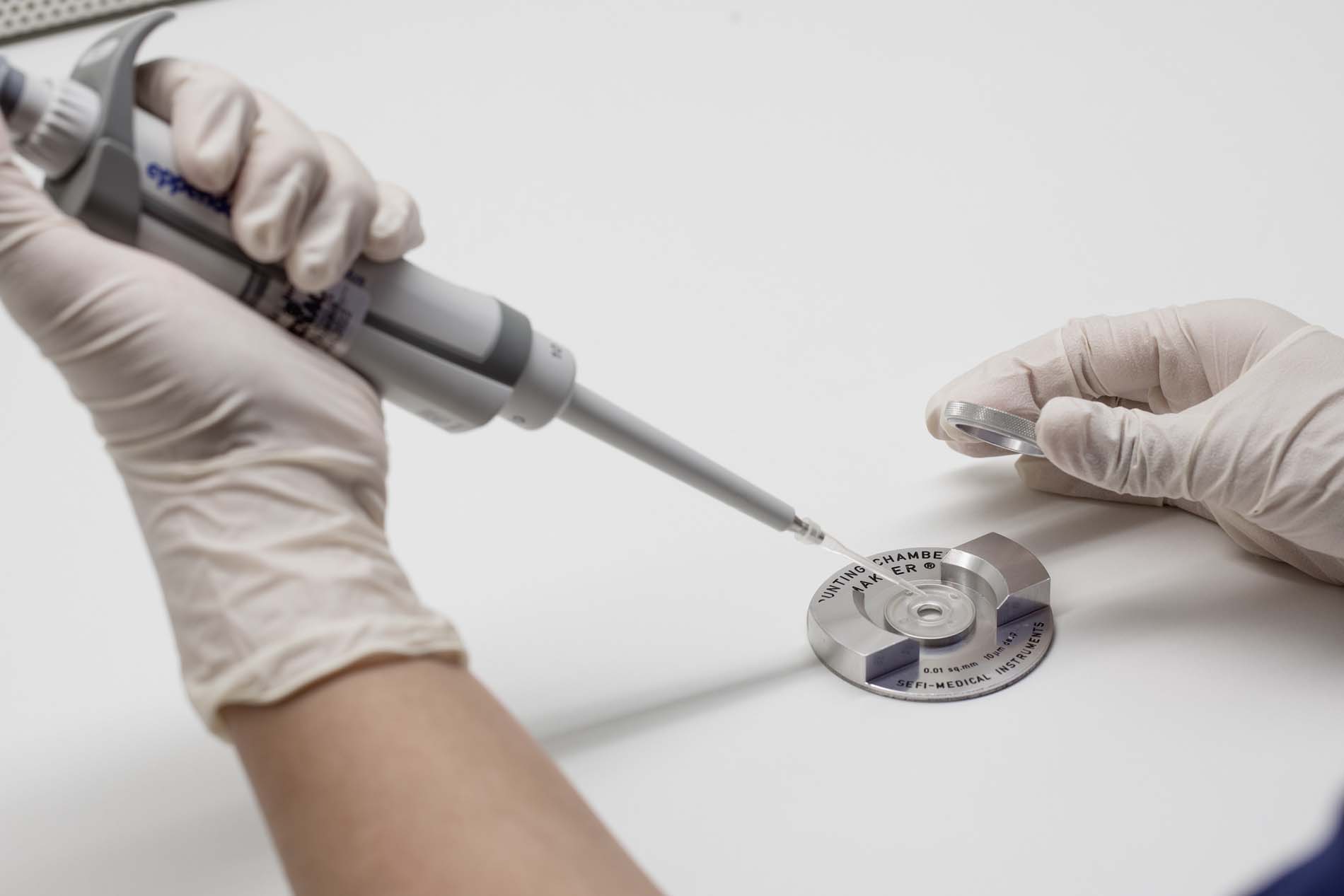
Semen analysis, or seminogram, is one of the main tests for assessing male fertility. Its main goal is to evaluate sperm concentration and motility. It’s a simple test and doesn’t require invasive methods to obtain the sample: the male only needs to ejaculate into a sterile jar.
As well as the sperm analysis, other additional techniques for studying sperm include:
- Motile sperm recovery test. A technique allowing the processing of a semen sample and selection of the most motile and suitable sperm.
- DNA fragmentation study
- Semen culture
The andrologist's examination is extremely important for men with seminal or functional alterations. This determines which techniques are the most appropriate for improving infertility. Solutions may involve assisted reproduction treatment. However, sometimes results can improve without resorting to such treatment.
After getting a semen analysis with abnormal results, the reason for such values may be related to a genetic problem with the patient. Therefore, to find out their chromosome set through karyotyping or in certain instances with azoospermic or severely oligozoospermic patients, the study should be supplemented with microdeletions of the Y chromosome.
The semen analysis is used to assess sperm quality but not the fertilising quality. It is possible to get a normal semen analysis, yet have altered genetic material. This can be the cause of the non-pregnancy. Therefore, for certain cases, going further and requesting genetic testing is desirable.
-DNA fragmentation: To study the sperm cell genetic material’s integrity.
-FISH: To assess chromosomal alterations at sperm level
Diagnosis and Treatment
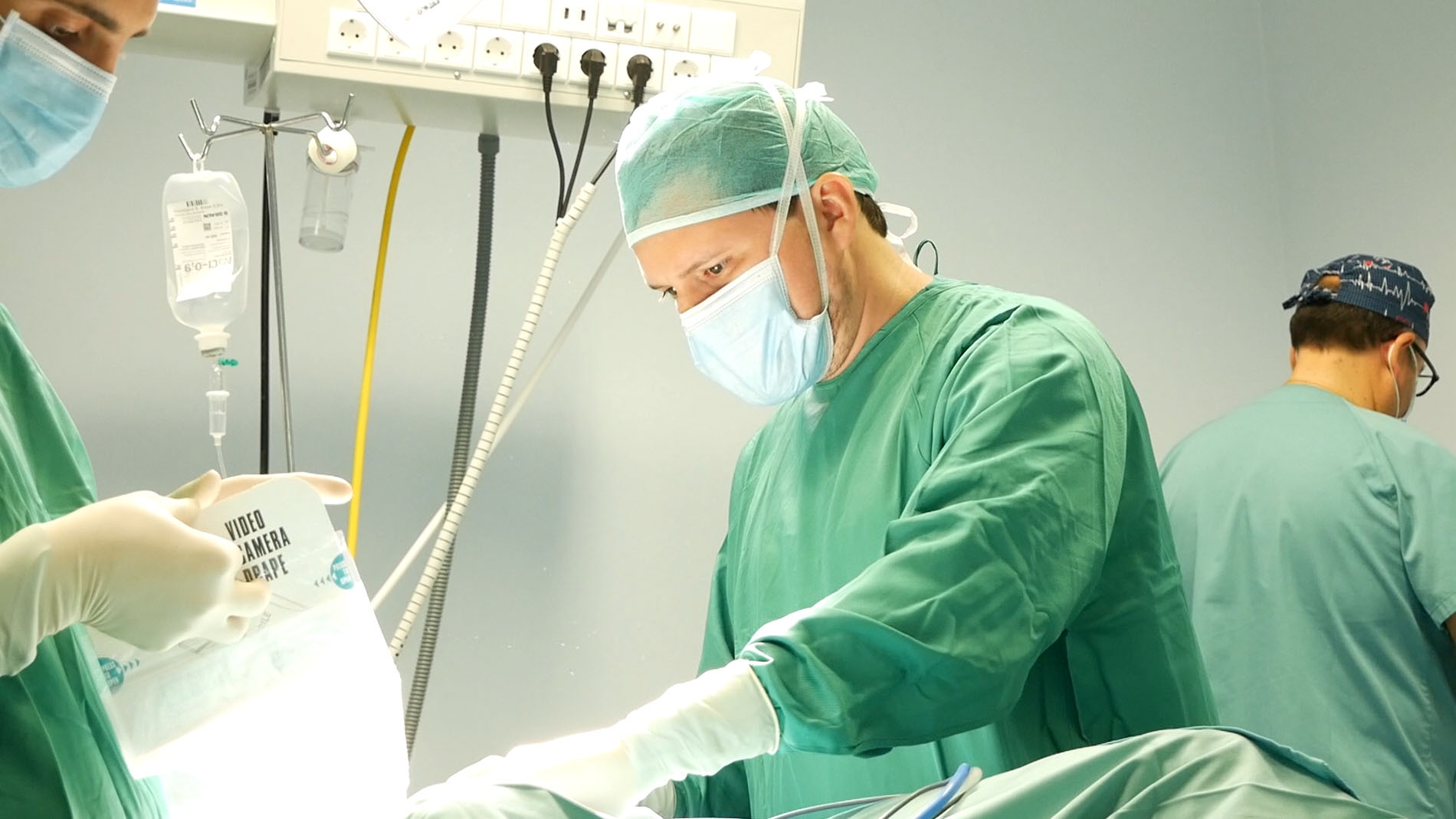
Equipo Juana Crespo offers patients a range of Assisted Reproduction treatments to achieve pregnancy. The treatment naturally depends on the problem causing the infertility, and sometimes includes preventive treatment. Some of the main treatment options include:
An advanced sperm selection technique enabling the separation of sperm with better motility and morphology, and less double-strand DNA breaks.
This technique requires surgery to enable direct access to the man's testicle to extract his sperm.
A small procedure, similar to a testicular biopsy, enabling retrieval of sperm located in the epididymis. Unlike open biopsy, this reduces damage to the testicle and is a less invasive technique.
In Vitro Fertilization is an assisted reproduction technique that achieves fertilisation of the egg outside the woman's body.
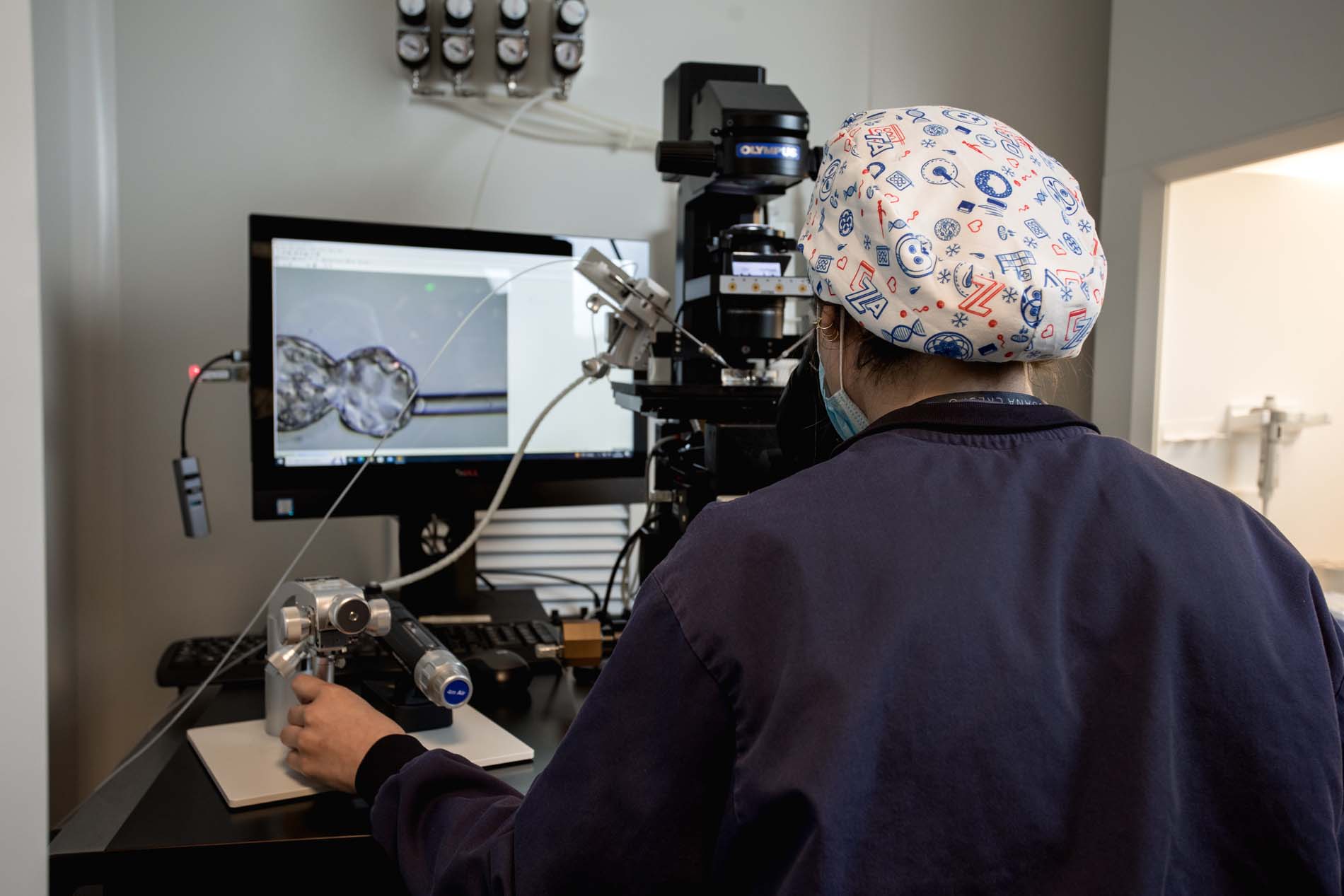
Intracytoplasmic sperm injection (ICSI) during IVF enables direct joining of the egg and the sperm, as it is the embryologist who injects the selected sperm into the egg to facilitate its fertilisation.
When obtaining a valid semen sample from the male is impossible, donor sperm can be used. Nowadays, given the above-mentioned techniques and the Andrology Unit team’s experience, donor sperm is only required in very few situations.
Male fertility
preservation methods
Infertility and sterility are often confused. Although they may seem to refer to the same thing, there are substantial differences between them. Sterility alludes to the inability to conceive, i.e., the sperm’s inability to fertilise the egg. However, infertility refers to the inability to successfully complete a pregnancy. In cases of male infertility, a pregnancy may not be completed because the sperm is probably not capable of generating viable embryos at genetic level, resulting in miscarriage.
There is a belief that finasteride affects fertility in men. A patient undergoing treatment for alopecia that includes this drug may register a lower ejaculate and sperm count. However, this is reversible and does not produce sterility.
It is estimated that between 30 and 40 percent of men of reproductive age have semen quality lower than that stipulated by the World Health Organization as optimal values.
Fertility in men can be recovered, provided the diagnosis and treatment are correct. At Equipo Juana Crespo, we specialise in highly complex reproductive medicine based on personalised diagnosis, treatment and even technology.
Diabetes causes male infertility, but only if poorly controlled or untreated. Diabetes causes metabolic changes, and in turn leads to complications that result in testicular damage affecting decreased sperm quantity and quality, erectile dysfunction, and ejaculation disorders.
Although there are not yet enough studies to state that Covid can compromise fertility in men, there is evidence linking the virus to acute testicular damage and hormonal changes.


