









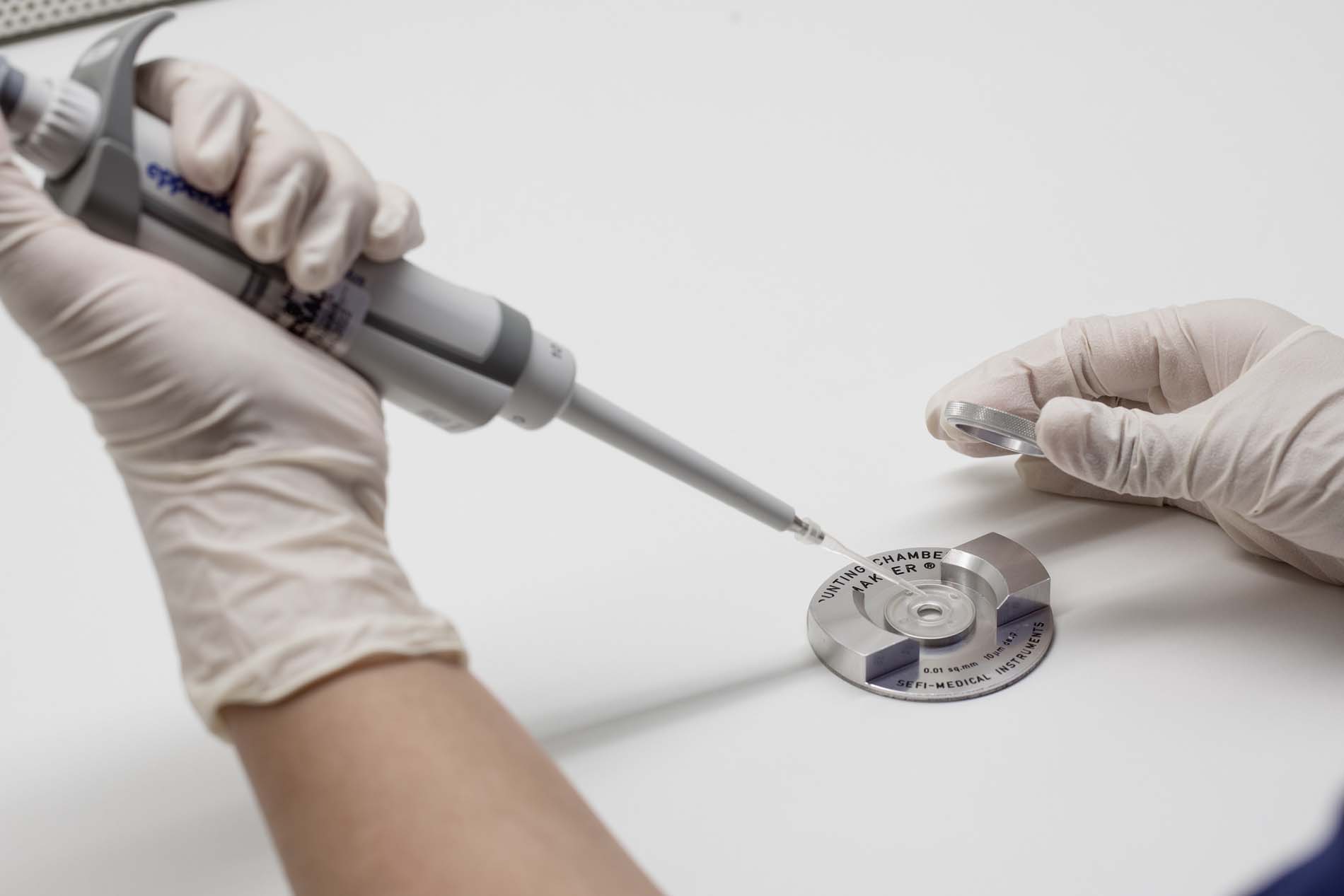


What is embryo transfer?
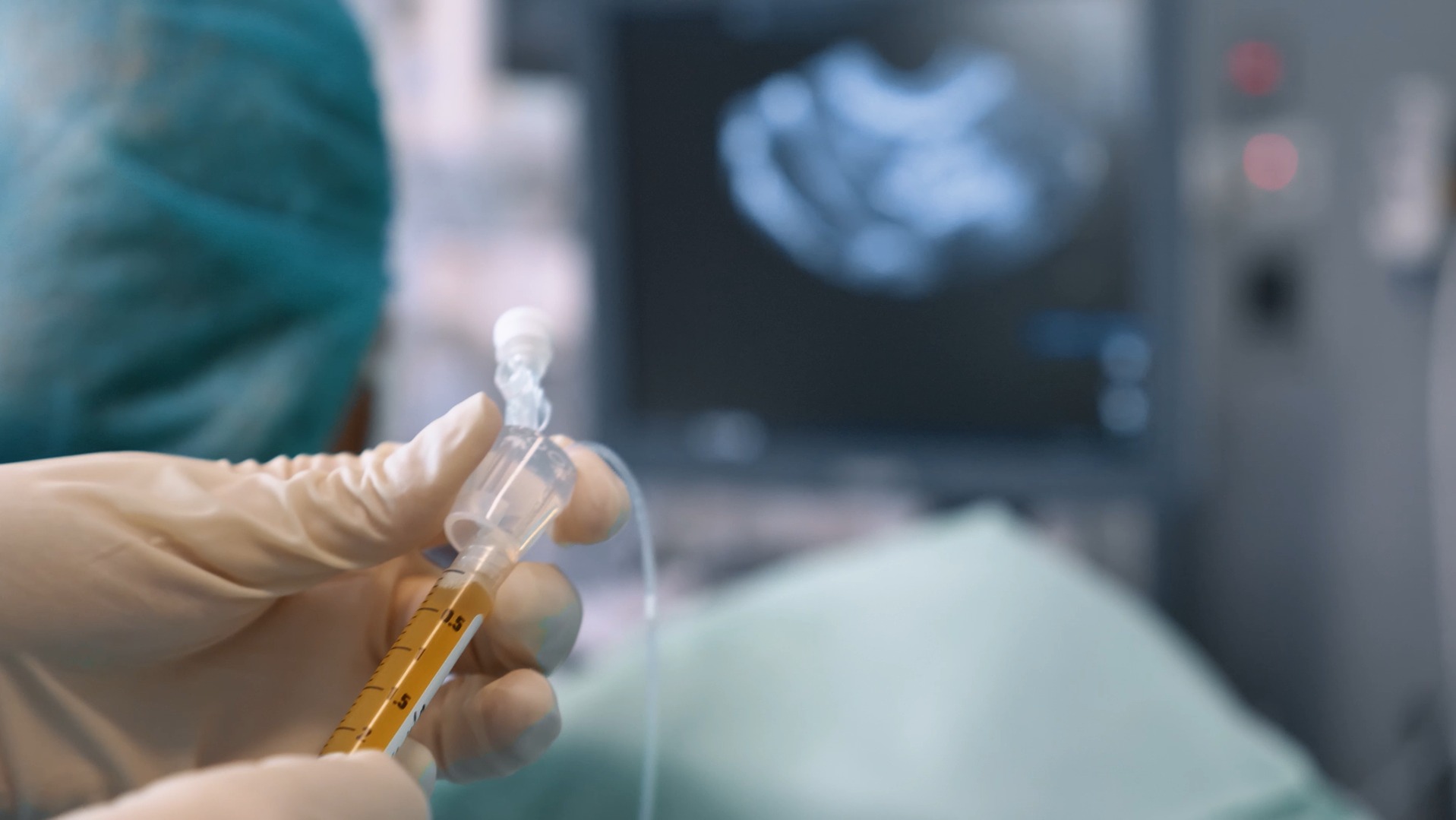
Embryo transfer consists of placing one or more embryos, generated after fertilization in the IVF laboratory, into the woman’s uterus.

Embryo transfer consists of placing one or more embryos, generated after fertilization in the IVF laboratory, into the woman’s uterus.
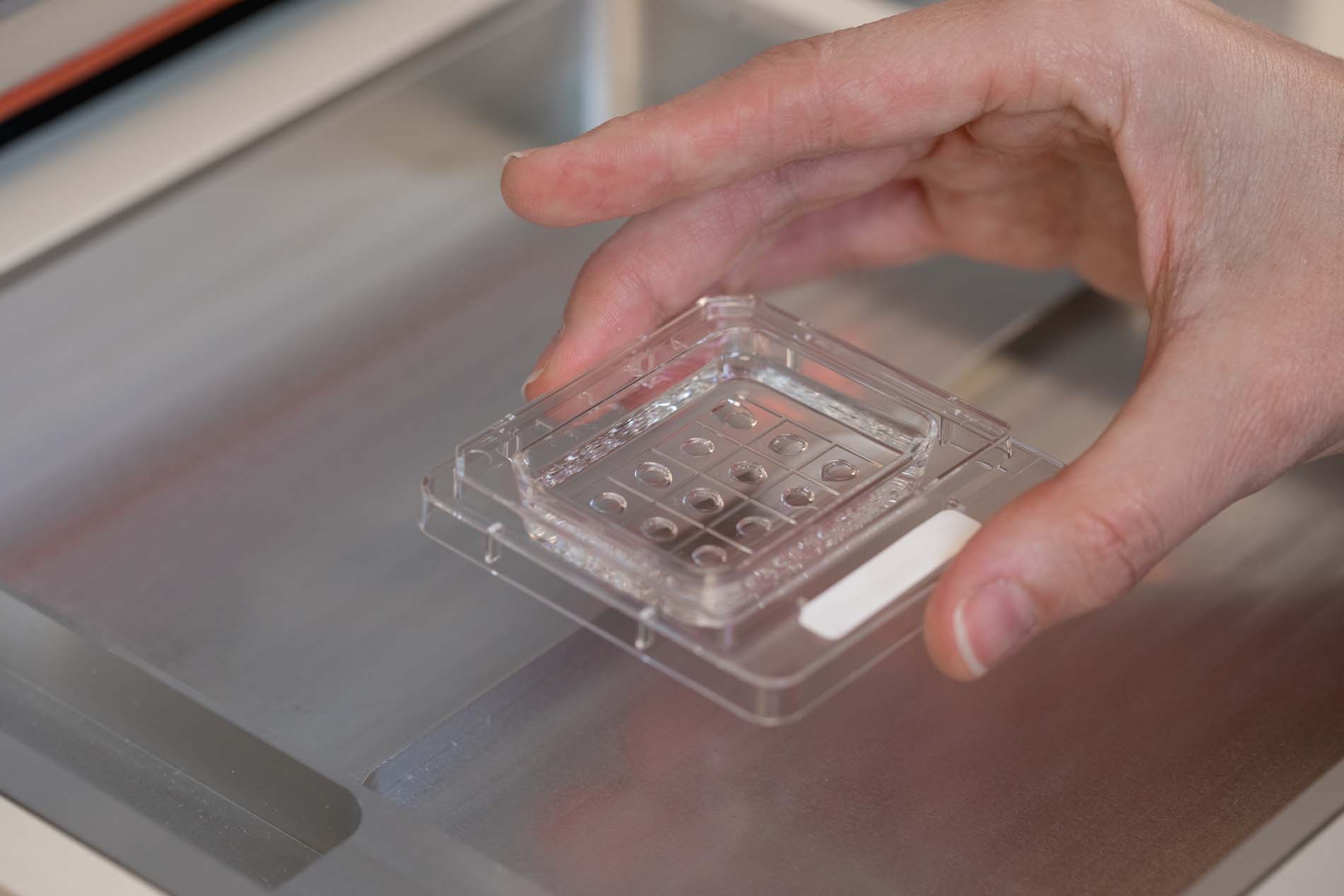
A fresh transfer is one in which the embryos generated after egg retrieval and subsequent fertilization with semen in the laboratory are transferred to the woman in the same cycle in which ovarian stimulation and egg retrieval were performed.
Fresh transfer is the best option for women who, after undergoing ovarian stimulation and egg retrieval, have an endometrium that is prepared and in optimal condition for embryo implantation.
As its name indicates, frozen embryo transfer is the procedure in which embryos obtained after fertilization with semen are vitrified and transferred to the patient in a different cycle. For this reason, it is also known as cryotransfer, vitrified embryo transfer, or frozen embryo transfer. Frozen transfer is the usual option for women with:
1. A history of implantation failure and recurrent miscarriages requiring PGT-A.
2. Risk of ovarian hyperstimulation.
3. Uterine pathologies.
4. Progesterone levels above 2 mIU/ml, which may cause asynchrony in endometrial receptivity.
5. Women or couples who wish to postpone pregnancy for medical or social reasons.
Embryo Transfer
Process at Equipo
Juana Crespo
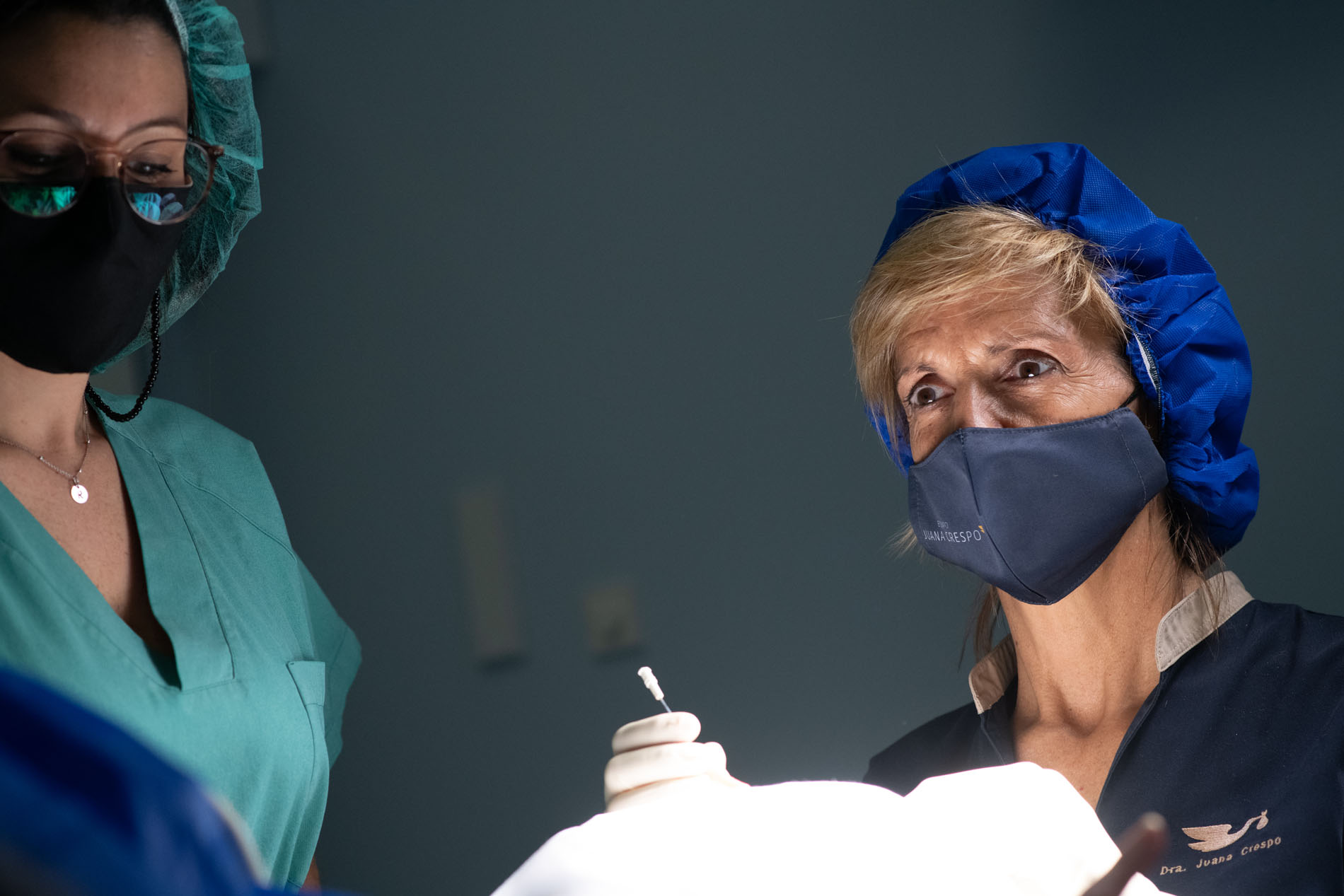
At Equipo Juana Crespo, as in every phase of a fertility treatment, embryo transfer is fully personalized and forms part of the strategy defined by the specialist for each patient from the very first visit.
During the first visit, the specialist performs an initial embryo transfer test on each patient. The aim is to examine and record in the patient’s medical history the physical and anatomical conditions for access to the uterus through the cervical canal.
Of the patient or the donor in the case of egg donation
Fresh or frozen
Fertilization, and vitrification of the embryos (in the case of frozen transfer)
With mock transfer
At Equipo Juana Crespo, we refer to a perfect embryo transfer as one in which, after taking into account all the factors involved in this process, the chances of achieving pregnancy are maximized, although there will always be a biological factor that cannot be controlled by the specialist.
We consider a perfect embryo transfer to be one in which the key factors have been optimized, such as:
High-quality embryo or embryos
01An optimal uterus and a receptive endometrium with appropriate thickness and appearance, properly synchronized.
02Perfect execution of the technique using a personalized catheter.
03Atraumatic transfer, without visible blood or contractions, and ultrasound-guided to place the embryo at the most optimal point of the endometrium.
04
Embryo transfer is the final crucial step in in vitro fertilization treatment and consists of placing the embryo into the maternal uterus. However, before this step, there are several aspects that must be carefully controlled, such as:
This involves determining the moment when the endometrium changes from pre-receptive to receptive. This process is influenced by hormonal, inflammatory, endocrine, and immunological factors, which differ from one patient to another. Even in the same woman, this receptivity may vary from one cycle to another.
The cervical canal is the passage inside the cervix that connects the vagina to the uterus. Each woman’s shape and anatomy determine the instruments to be used, the most important being the type of transfer catheter best suited to each case.
Before the transfer is performed, and depending on each patient, the type of embryos to be transferred has already been determined, as well as whether a single embryo (SET) or two embryos will be transferred.
Thanks to advanced technology, the specialists at Equipo Juana Crespo can map the uterus by dividing it into quadrants. This allows them, when depositing the embryo, to direct it toward the area with the highest implantation potential, thus influencing, as far as possible, its future placentation.
At Equipo Juana Crespo, we have a double identification system to guarantee embryo traceability, completely eliminating the human risk of embryo mix-ups.
Personalization in embryo transfer also affects the instruments used, such as the size and type of speculum and, most importantly, the type of transfer catheter.
It is very important to establish in advance the strategy regarding the embryos to be transferred, both in terms of number and developmental stage. Although the usual approach is to transfer a single embryo (SET) at the blastocyst stage, more complex cases may require transferring more than one embryo.
What is a high-complexity
embryo transfer and when
is it considered as such?
High-complexity embryo transfer refers to those procedures that require an extremely personalized technique due to anatomical factors of the patient or to previous pathologies or complications that may affect the probability of embryo implantation and even the patient’s health.
Such as prior caesarean sections or cervical conizations, since these procedures may make the transfer more difficult and reduce the embryo’s implantation potential.
Tortuous cervical canal or presence of Nabothian cysts
This option exists for very complex transfers under direct visualization of the cervix, allowing access to the uterine cavity to deposit the embryo directly in a very specific area.


