ejc_loader
  • Blog
  • LET'S TALK?

Endometrial
preparation

One of the main causes of implantation failure is poor endometrial preparation.

What is endometrial
preparation?

Endometrial preparation is a very important stage in an assisted reproduction procedure. It consists of preparing and conditioning the inner lining of the uterus to facilitate embryo implantation.

One of the main causes of implantation failure is poor endometrial preparation.

What does endometrial
preparation involve?

Endometrial preparation consists of recreating optimal conditions in the patient’s uterus to facilitate embryo implantation and its subsequent development. During the menstrual cycle, mainly under the hormonal effect of oestradiol and progesterone, the endometrium changes in thickness and structure, until it sheds at the end of the cycle in the form of menstrual bleeding.

1. Proliferative phase

It begins on the first day of the cycle and usually lasts until around day 14, when ovulation occurs. During this phase, oestradiol is the dominant hormone, with levels ranging from 18 to 140 pg./ml in the days leading up to ovulation. This causes the endometrial thickness to increase progressively to approximately 10–12 mm.

2. Secretory phase

This phase begins from day 15 onward, and the predominant hormone at this stage of the cycle is progesterone. Progesterone slows the growth of the endometrium caused by oestradiol and prepares it for implantation, transforming it into a smooth, receptive lining.

Causes that affect
endometrial preparation 

Achieving an optimal endometrium before embryo transfer is essential for pregnancy. However, there are various conditions that can hinder proper implantation and must be monitored and corrected during endometrial preparation.

Poorly operated endometria/uteri

Previous surgeries such as curettage, polyp removal, myomectomy, or gynaecological hysteroscopies may cause lesions, scars, or adhesions, turning this lining into tissue that is unsuitable for embryo implantation. One of the most significant complications of this type is Asherman syndrome

Fibroids, polyps, adenomyomas, etc.

The presence of any of these may affect embryo implantation depending on their location or size. Both fibroids and adenomyomas may cause implantation failure, but also miscarriage.

Inflammation or endometritis

Endometritis, whether acute or chronic, poses a threat to embryo implantation and must be treated before embryo transfer. It consists of an inflammation that may cause symptoms such as fever, pelvic pain, abnormal vaginal discharge, or bleeding, although it is often asymptomatic. The causes may include a gynaecological procedure, curettage, miscarriage, etc.

Refractory endometrium.

This is a condition in which the endometrium does not reach the appropriate size and thickness for implantation, even after hormonal treatment, especially oestrogens.

Endometrial hyperplasia or thickened endometrium.

Unlike a refractory endometrium, this involves excessive growth of the cells lining the endometrium, generally as a result of the hormonal effect of excess oestrogen.

Thrombophilias.

Thrombophilia is a condition in which the blood clots easily. This leads to the formation of clots, and this lack of proper vascularisation in the endometrium may compromise implantation and also cause miscarriage.

Endometrial preparation
at Equipo Juana Crespo 

Embryo implantation is a highly complex biological process in which embryo quality, endometrial receptivity, and the ability of the uterus and embryo to communicate and synchronise are key factors.

With proper endometrial preparation, we not only ensure that the uterus is receptive for embryo transfer, but we also maximise the chances of embryo attachment and implantation, reducing the risk of miscarriage.

At Equipo Juana Crespo, we place great importance on endometrial preparation. As in all other stages of treatment, our specialists carry out:

  • 1. Selection of the type of endometrial preparation, in a natural or substituted cycle, according to the patient’s profile.

  • 2. Personalised medication protocols using agonists, antagonists, etc., in substituted cycles.

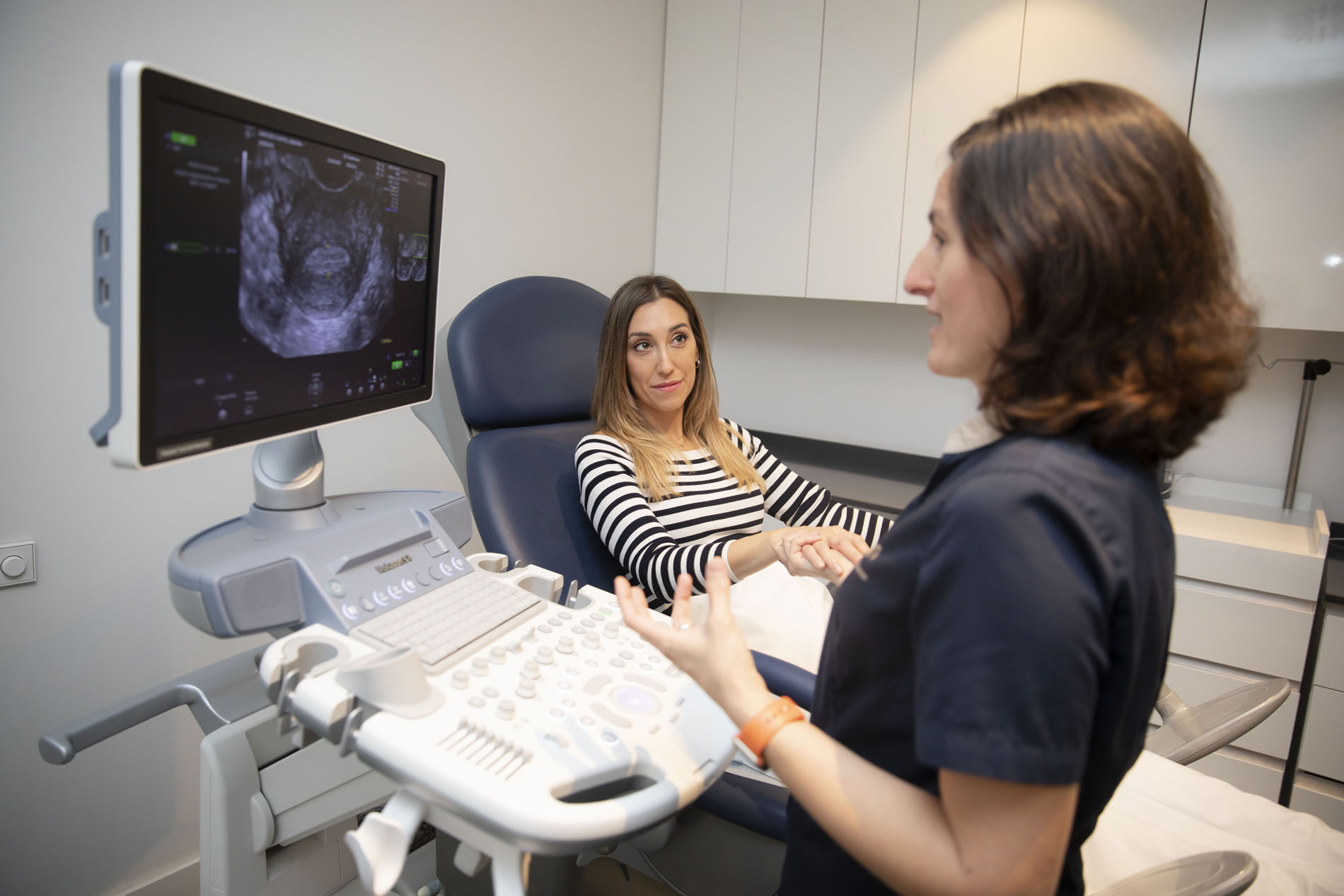
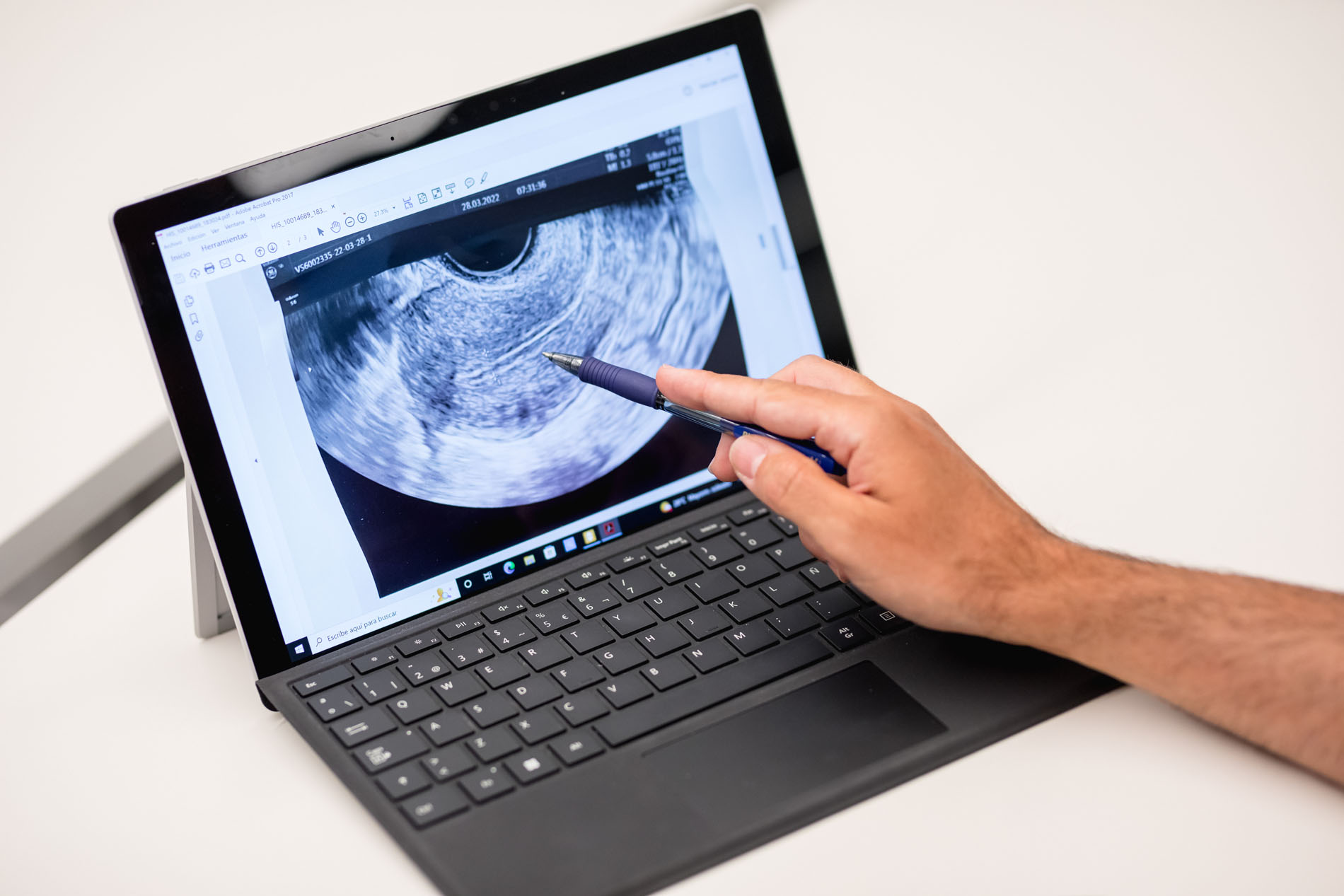
  • 3. Ultrasound monitoring protocols during preparation to control the condition, size, and morphology of the endometrium.

  • 4. Innovative treatments such as Revitalize Uterus, as well as personalised supplementation with vitamins, progesterone, etc.

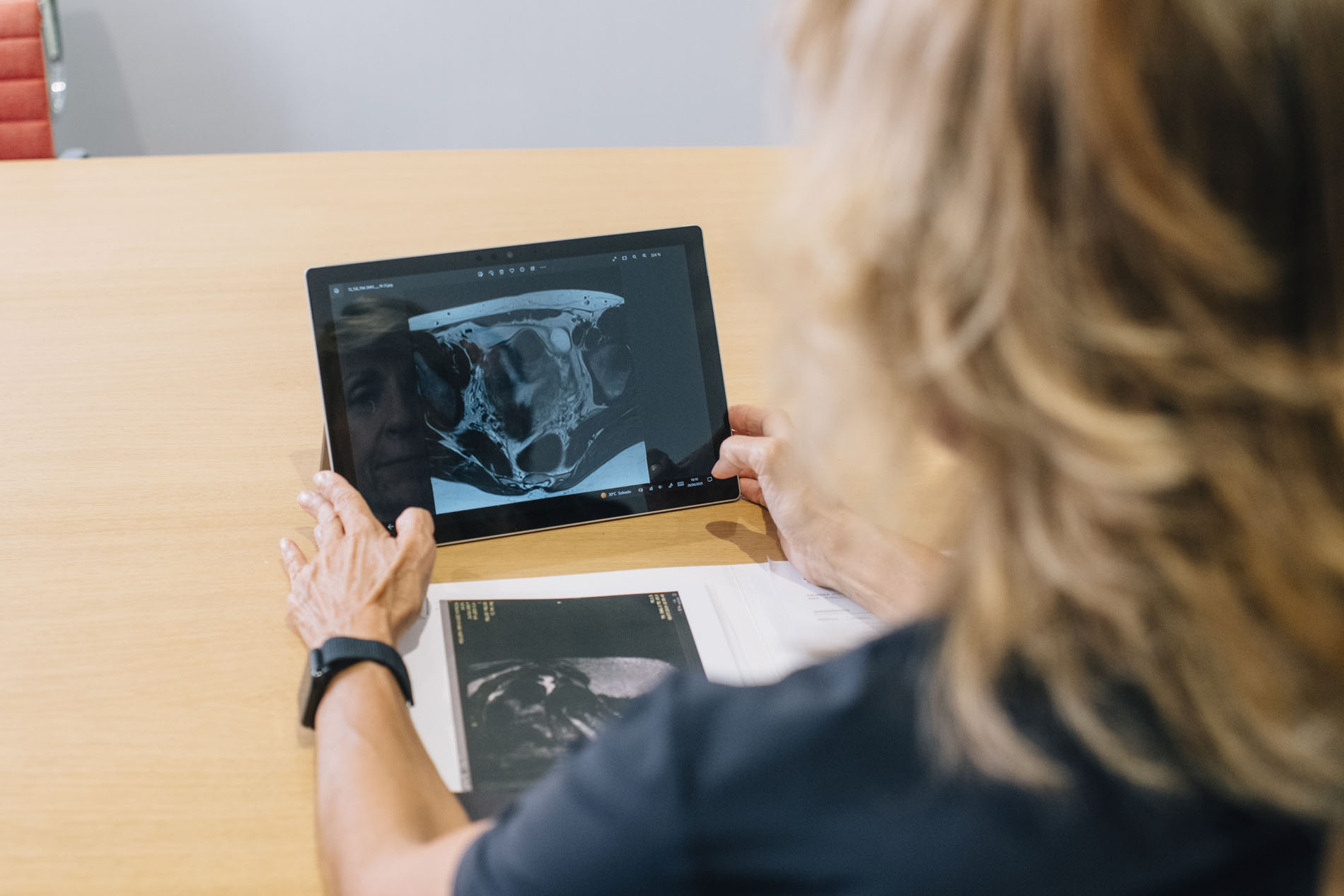
  • 5. Evaluation of endometrial receptivity through ultrasound and diagnostic hysteroscopy (vascularisation, growth, appearance, etc.), and synchronisation of the uterus with the embryo.

  • 6. Uterine mapping prior to transfer and transfer strategy (trial transfer, catheter selection, etc.).

  • 7. Personalised progesterone supplementation after transfer to support embryo implantation and attachment.

Is endometrial preparation better in a natural or substituted cycle?

In our opinion, there is no better or worse method for endometrial preparation, as it largely depends on the patient’s profile and, above all, on follicular quality, since the follicle is responsible for producing sufficient levels of oestrogen to ensure proper uterine growth.

For this reason, before choosing a type of preparation, at Equipo Juana Crespo we assess:

  • History of implantation failures and biochemical pregnancies.

    01
  • Behaviour of previous cycles.

    02
  • Quality of the embryos obtained.

    03
  • Patient profile: age, type of cycle (normal ovulation), general health status, etc.

    04
  • Hormonal values before the start of preparation.

    05
  • Patient’s uterine history (refractory or excessively thick endometrium, previous surgeries, presence or absence of lesions, fibrosis, etc.).

    06

Based on all these factors, the specialist will choose either to prepare the patient’s uterus according to her natural cycle and without medication (natural-cycle preparation), or to design a personalised substituted-cycle endometrial preparation protocol that includes medication (mainly oestrogens).


Are endometrial receptivity tests effective?

At Equipo Juana Crespo, we do not recommend endometrial receptivity tests, as there is no scientific evidence supporting their usefulness, nor has any significant improvement in outcomes been demonstrated. 

The endometrium and its layers are dynamic in nature due to hormonal effects. This means that thickness and structure may vary from one cycle to another and even that the days with the highest probability of embryo implantation—known as the implantation window—may change.

+34 961 042 557