













What is Intracytoplasmic
Sperm Injection (ICSI)?
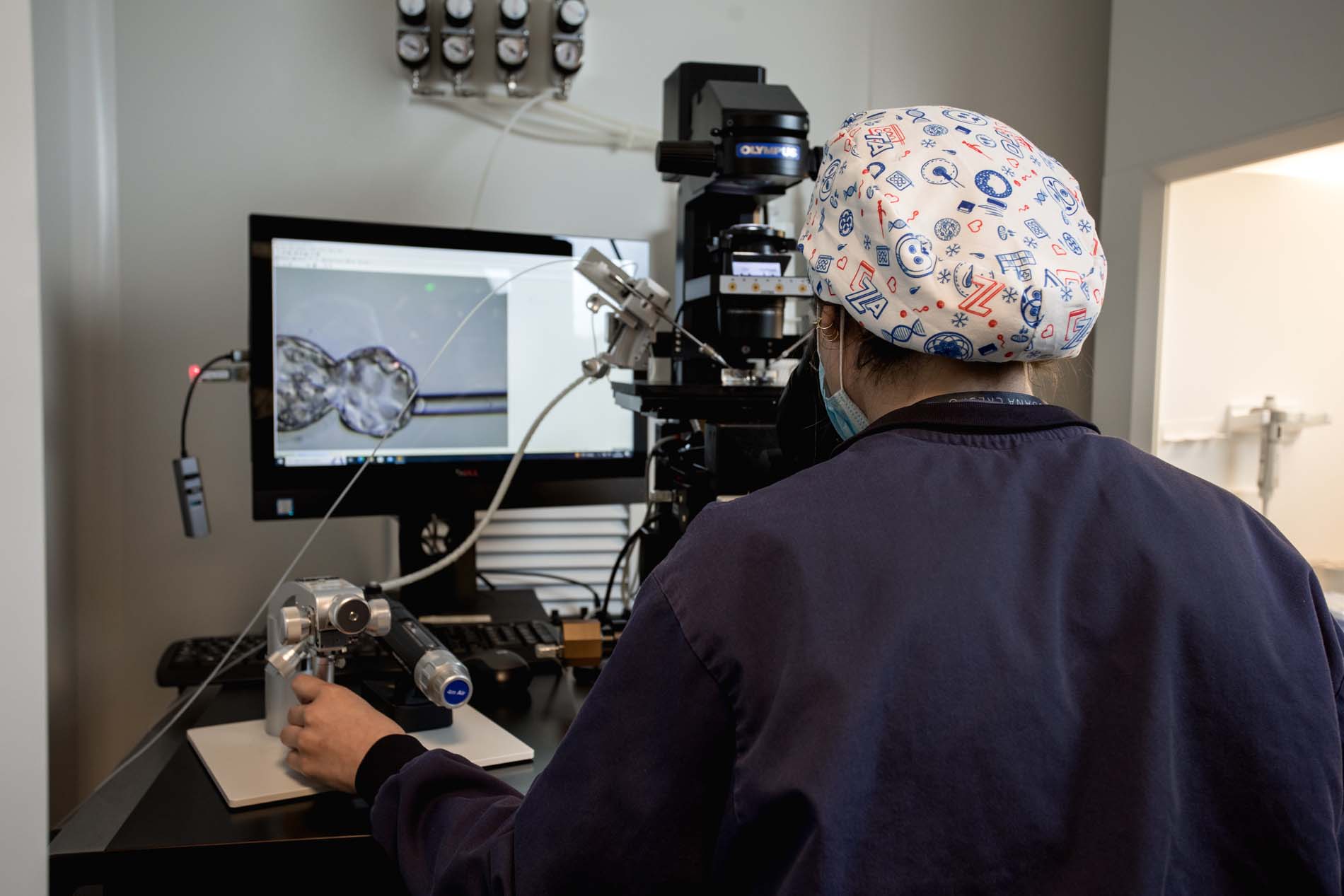
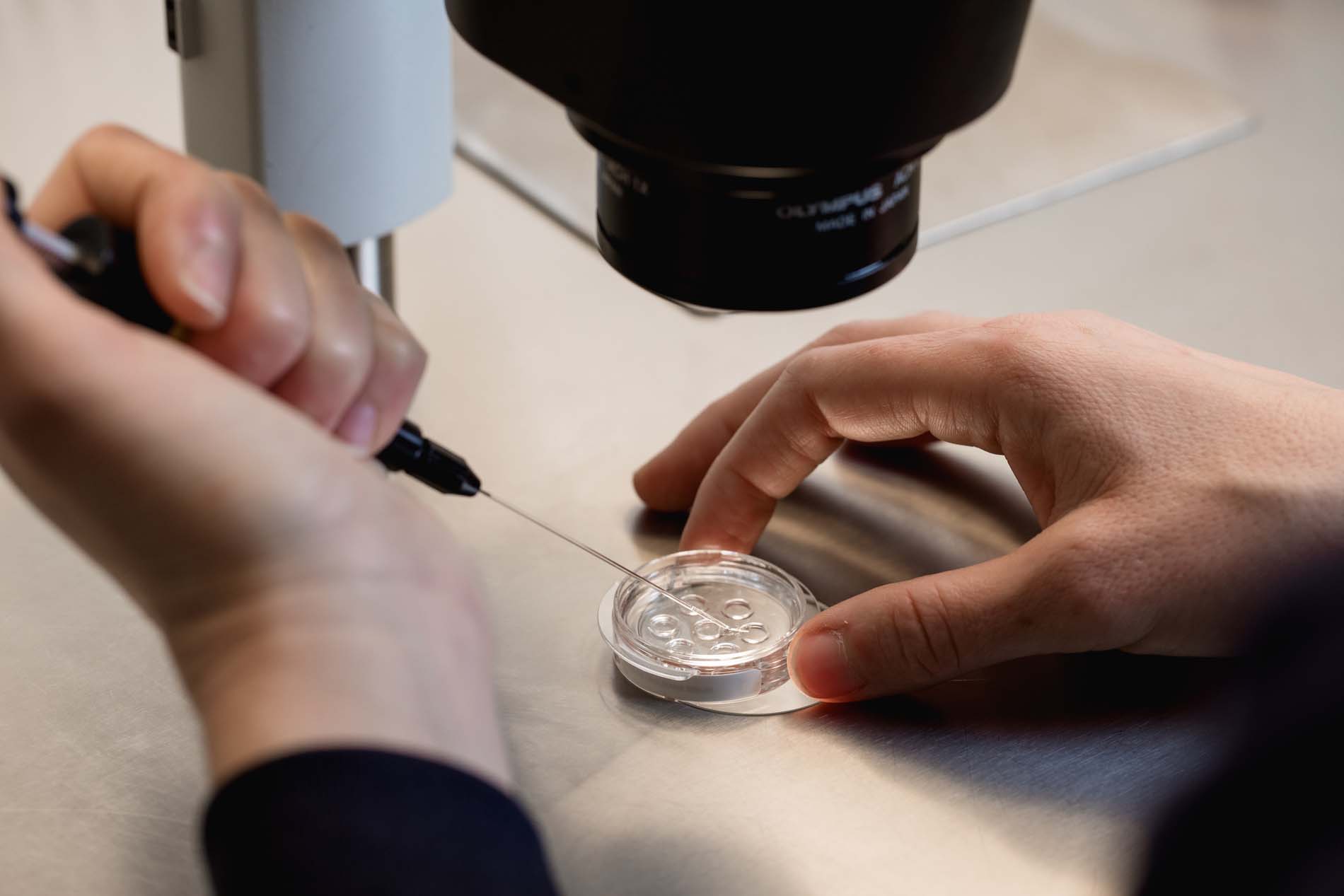
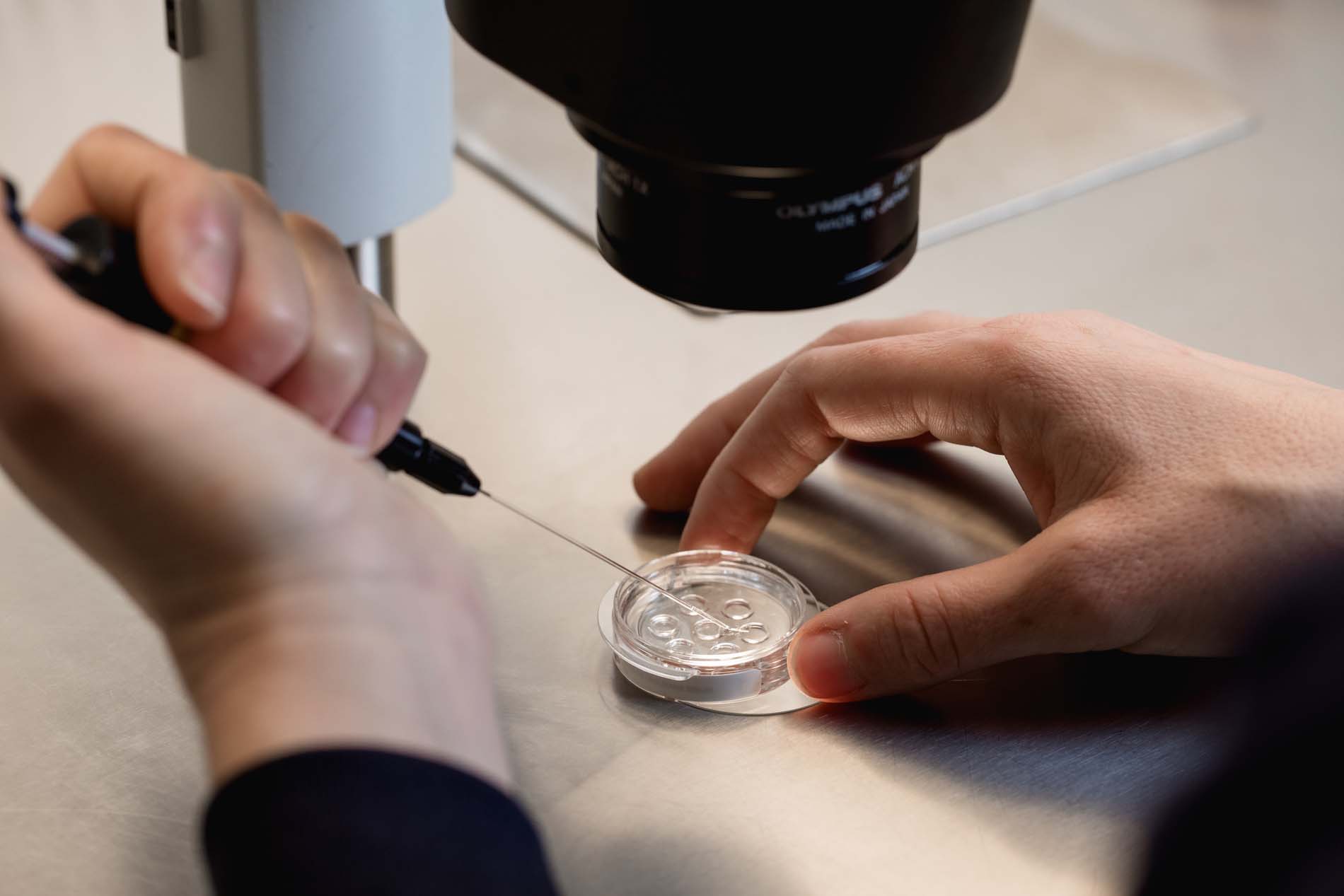
ICSI is a technique that consists of the direct injection of a single sperm into the cytoplasm of an egg.

ICSI is a technique that consists of the direct injection of a single sperm into the cytoplasm of an egg.
Differences from
conventional IVF
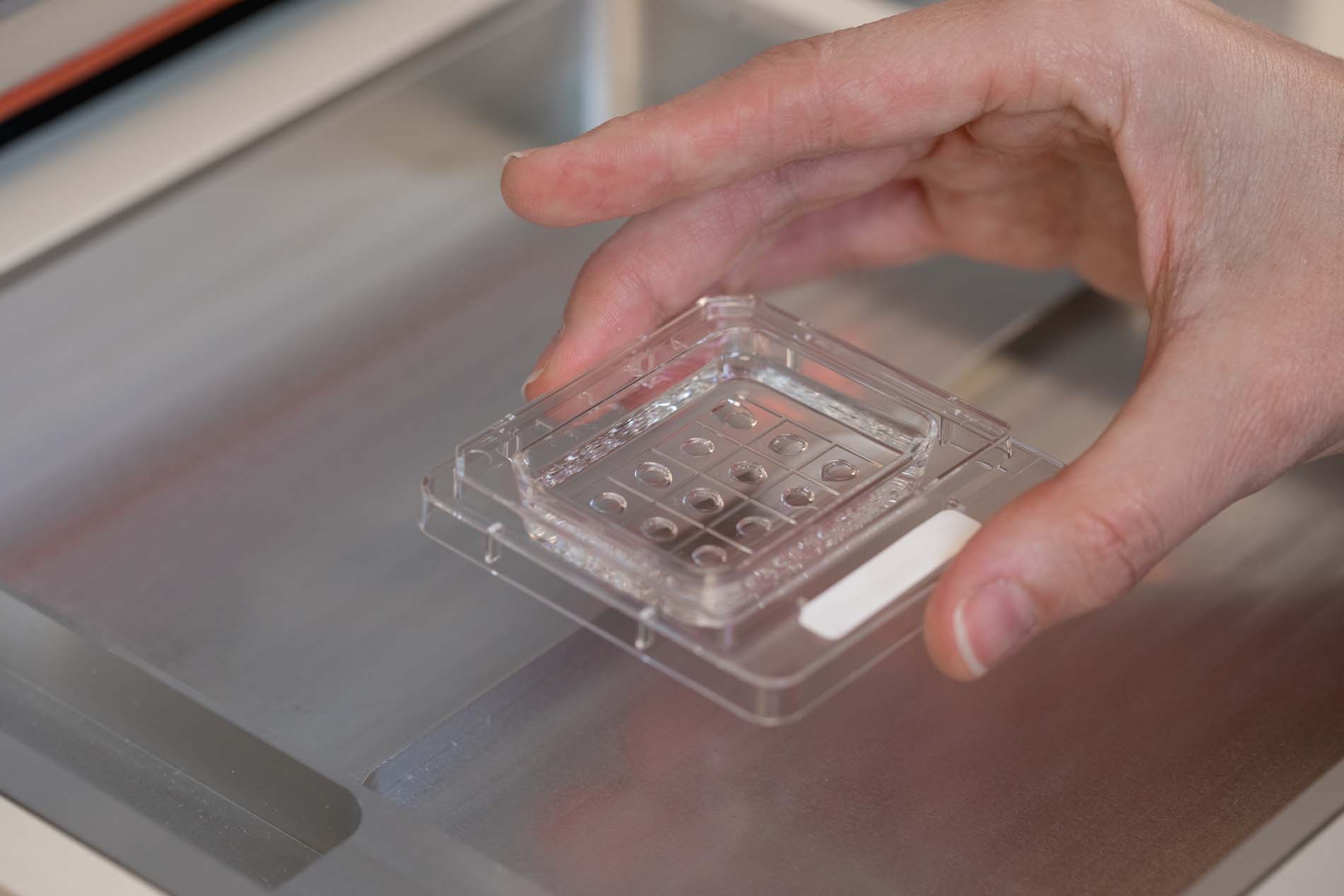
In conventional IVF, eggs and sperm are placed together in a culture medium so that fertilization can occur spontaneously. Fertilization depends on the sperm being able to penetrate the zona pellucida of the egg.
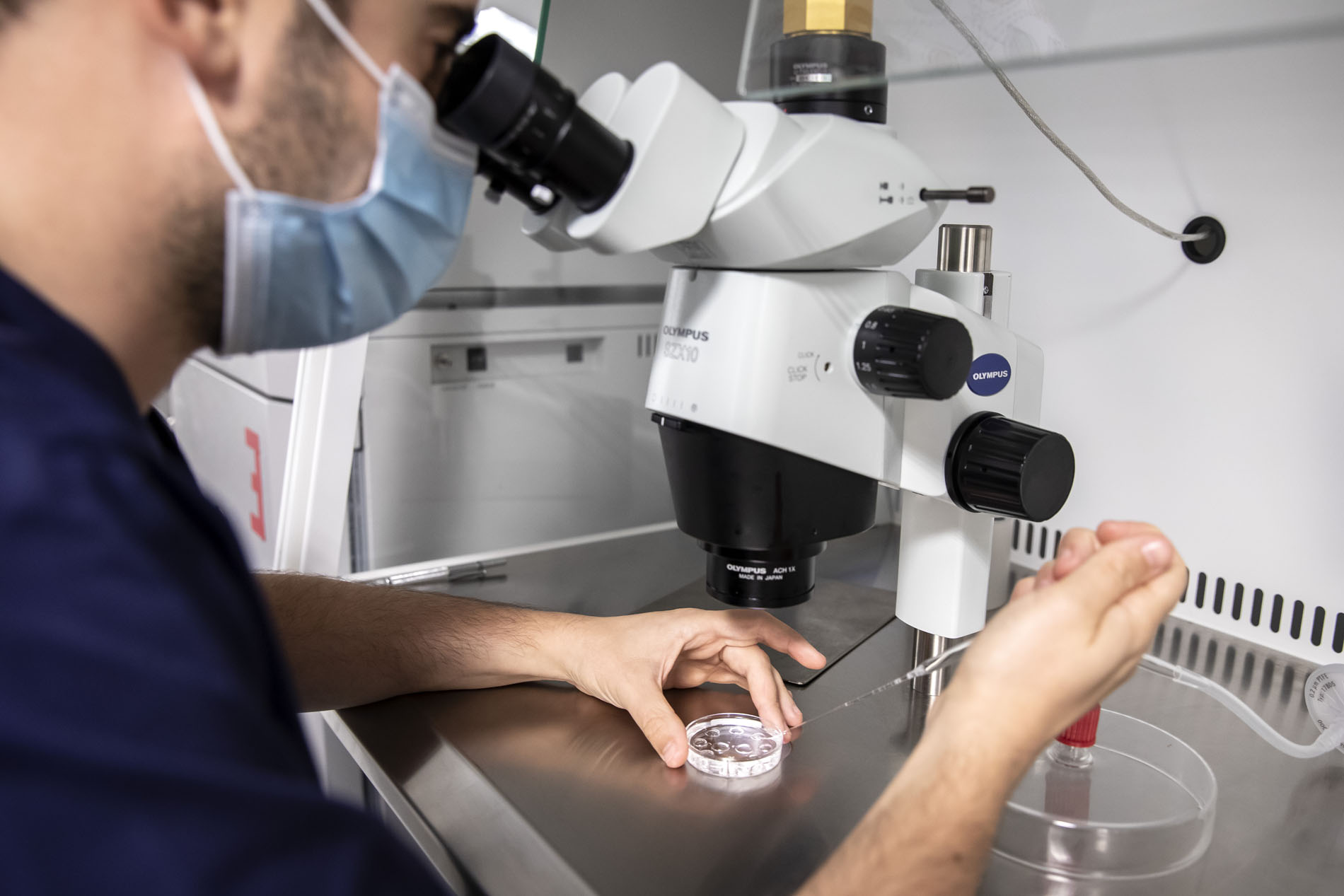
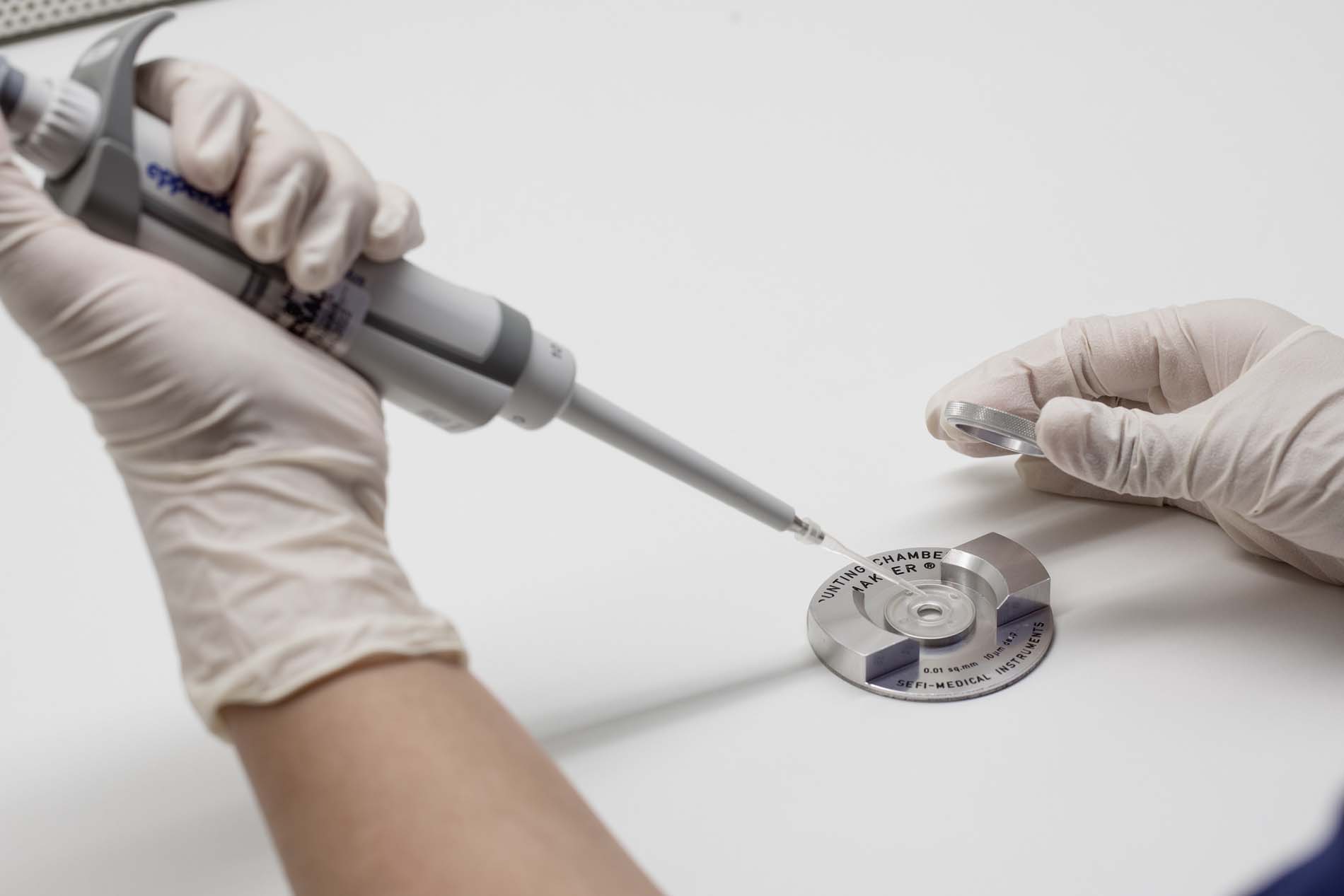
In ICSI, the sperm is selected and injected directly into the cytoplasm of the egg by the embryologist through microinjection. For this reason, fewer sperm are required, and the procedure can even be performed using sperm obtained surgically.This procedure is performed by highly trained embryologists using high-precision equipment in a specialized laboratory. The purpose of ICSI is to overcome barriers that prevent natural fertilization, achieving the union of an egg and a sperm in a controlled manner.
ICSI is indicated in specific situations, mainly related to male infertility factors. However, it can also be used in other contexts where spontaneous fertilization or conventional IVF is not viable.
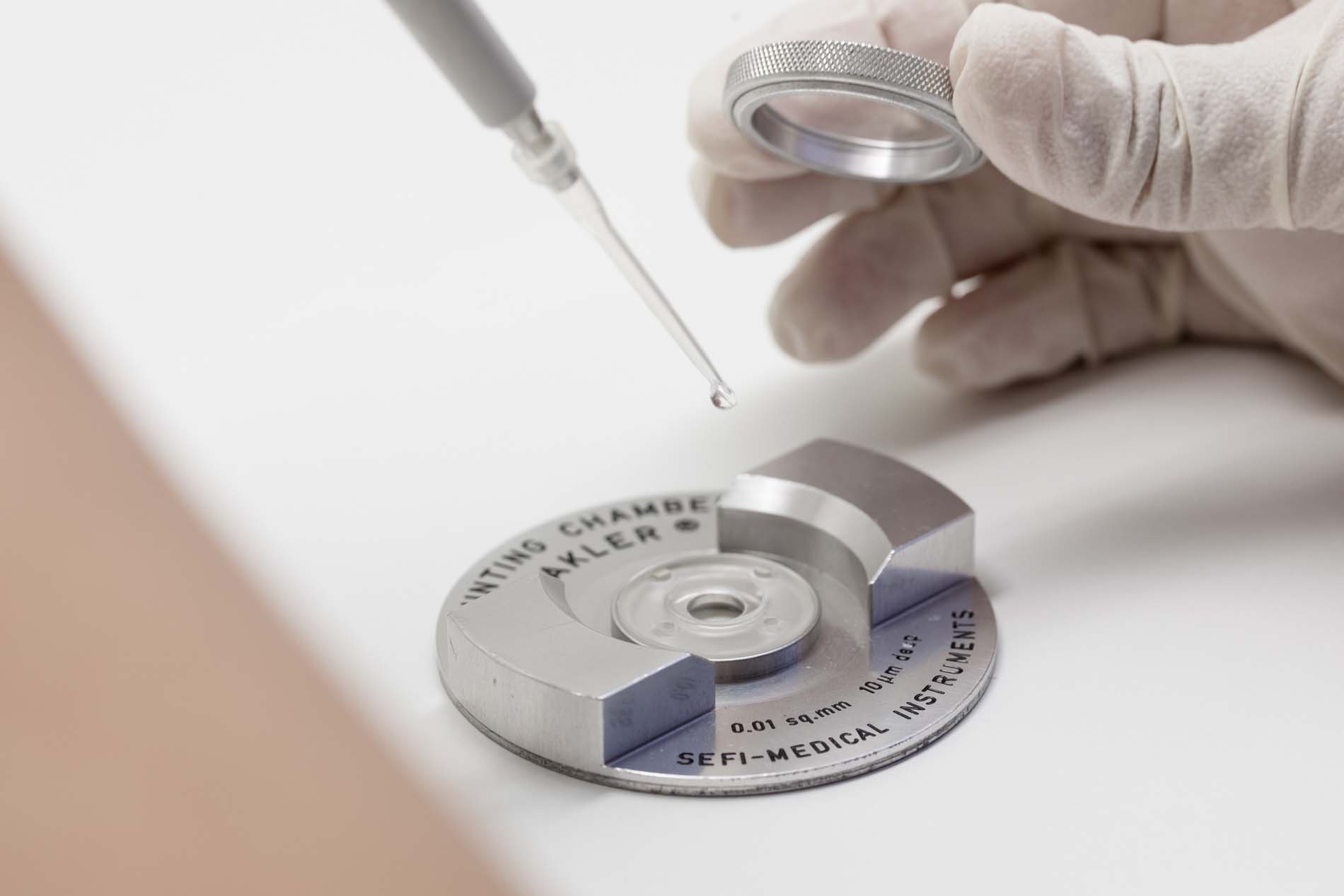
Most common
indications
Low sperm concentration (oligozoospermia)
Poor sperm motility (asthenozoospermia)
Abnormal sperm morphology (teratozoospermia)
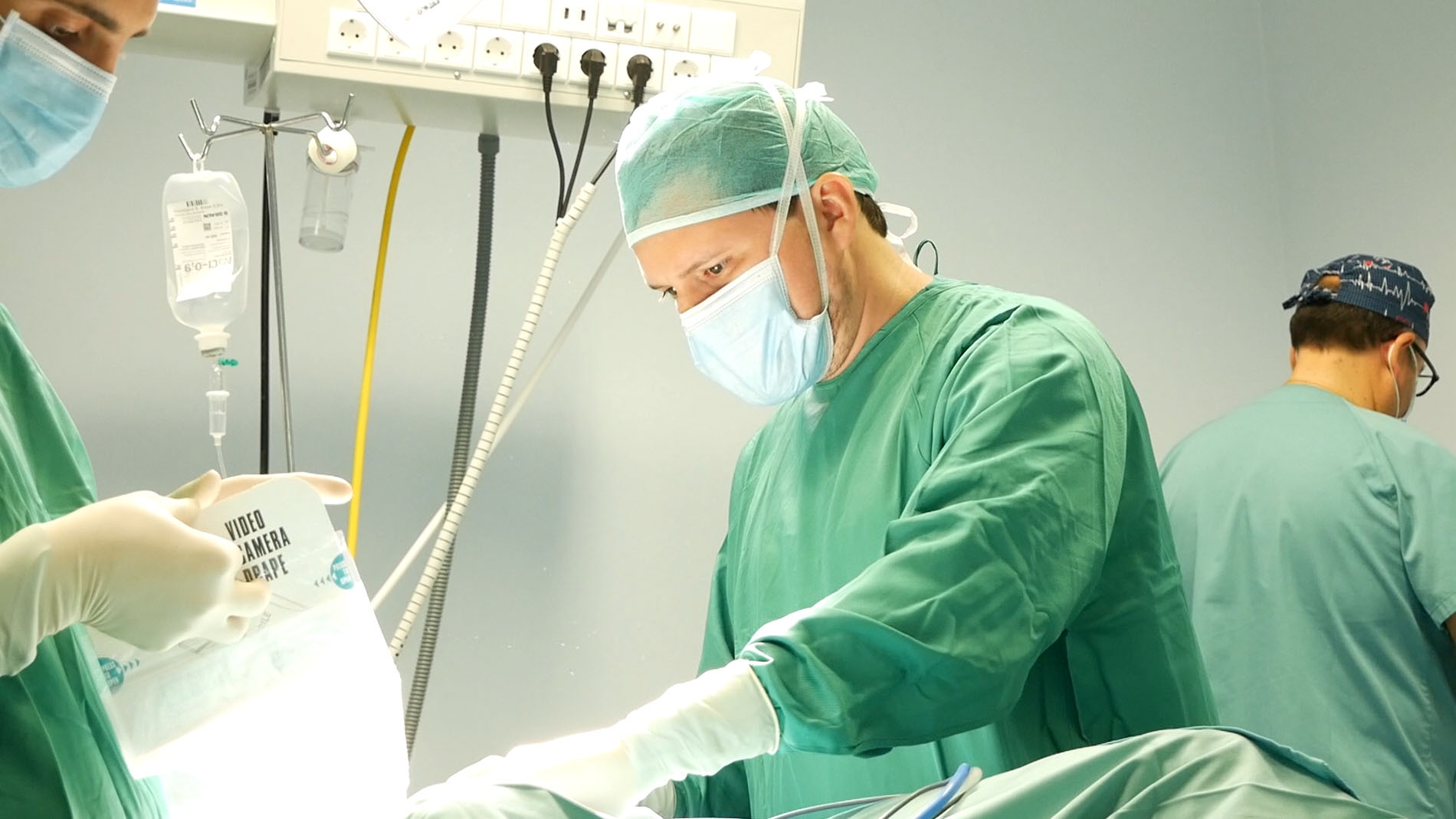
Azoospermia: Absence of sperm in the ejaculate. In these cases, sperm may be obtained through epididymal aspiration or testicular biopsy.
Couples who did not obtain embryos in previous conventional IVF cycles.
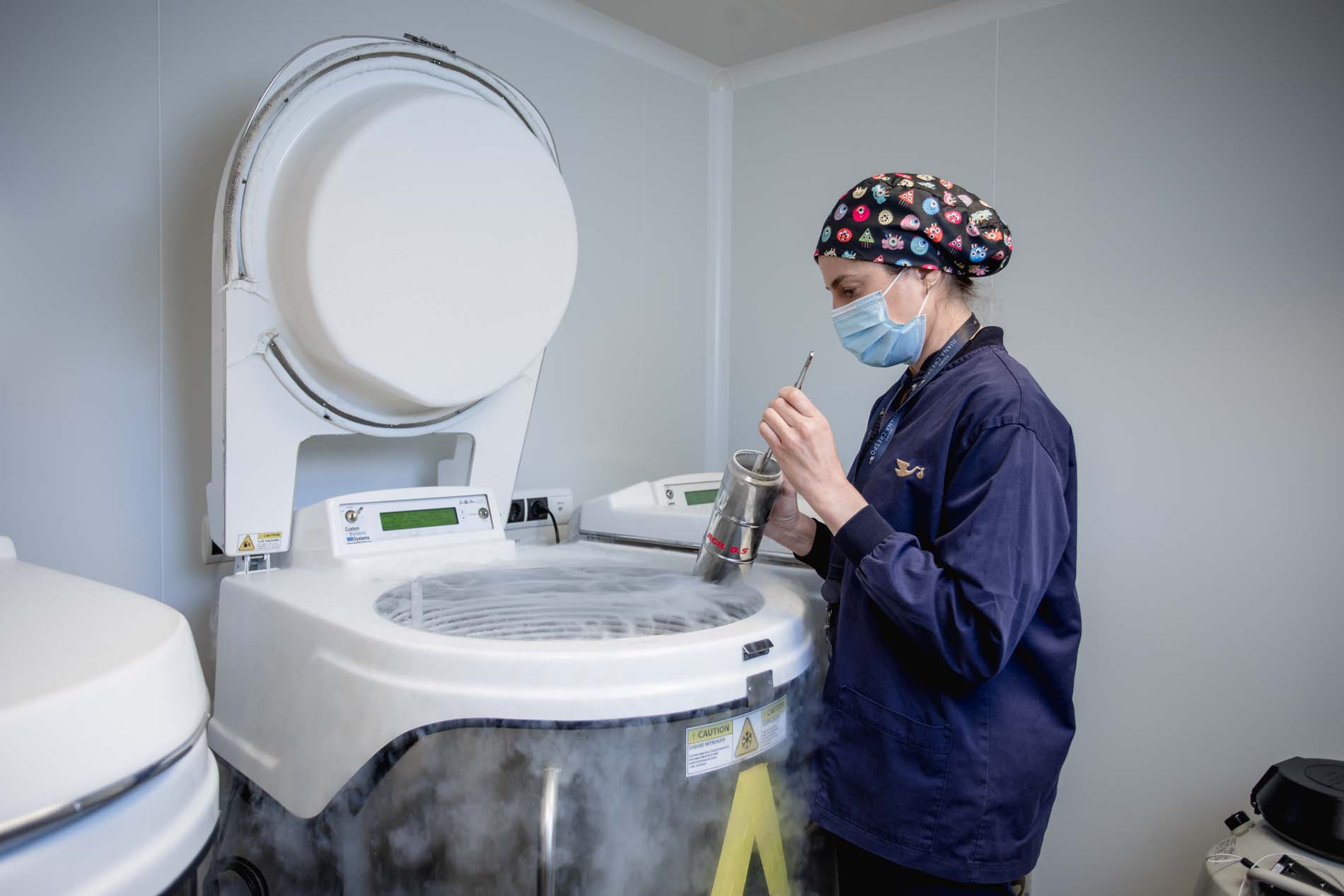
When sperm have been previously frozen and show reduced motility after thawing.
In patients over 38 years of age, ICSI is often the technique of choice, as it improves fertilization rates compared to conventional IVF.
When genetic analysis of embryos is required, either to detect single-gene disorders (PGT-M) or to ensure the correct number of chromosomes (PGT-A).
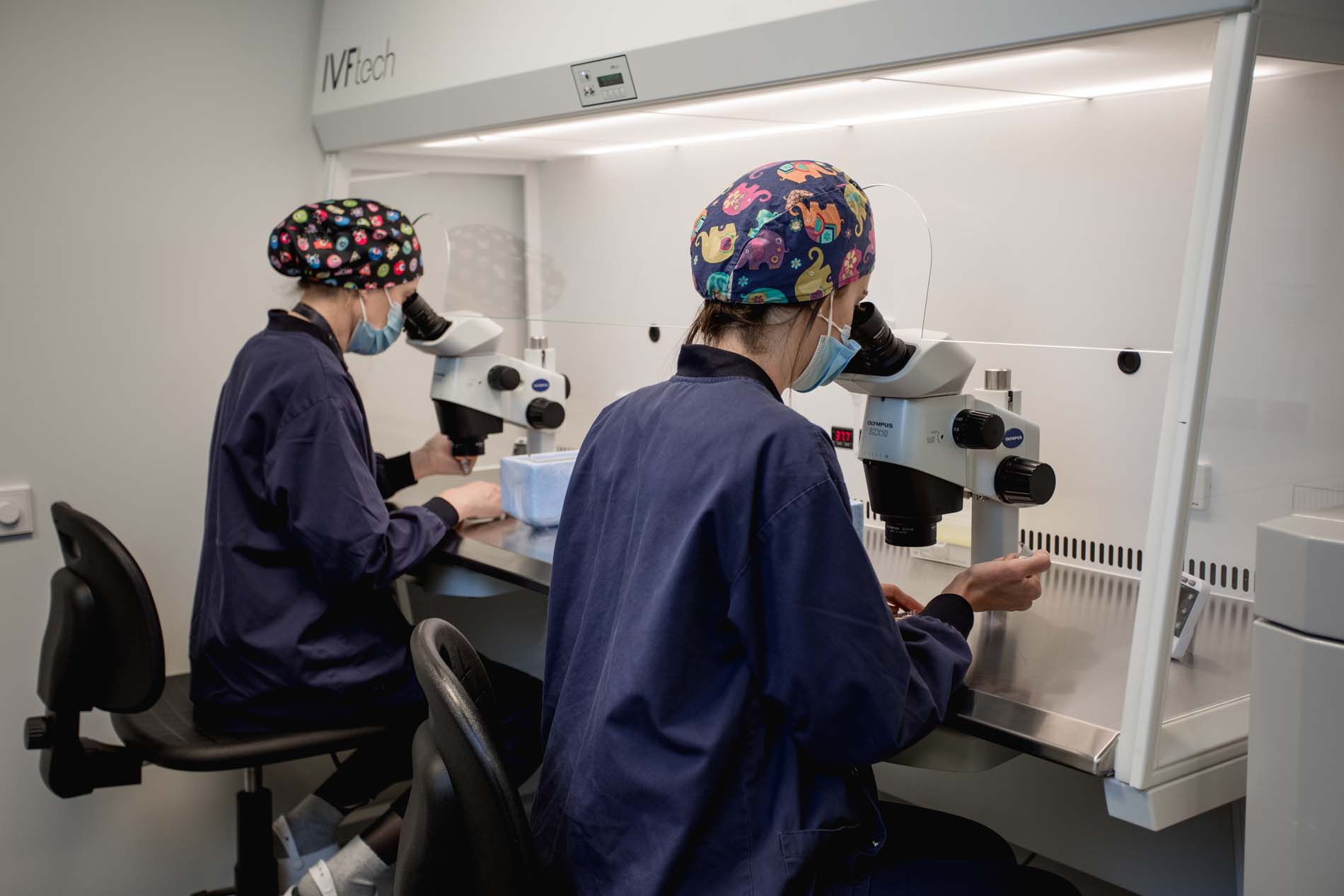
To ensure the best fertilization rates after ICSI, the technique is performed exclusively by experienced embryologists under controlled conditions and with high-precision equipment.
However, it is important to note that other factors also play a role, such as egg quality, sperm quality, and intrinsic environmental factors within the laboratory where the procedure is carried out.
Factors influencing
outcomes
Success rates are higher in women under 35 and decrease significantly with age, especially after 40.
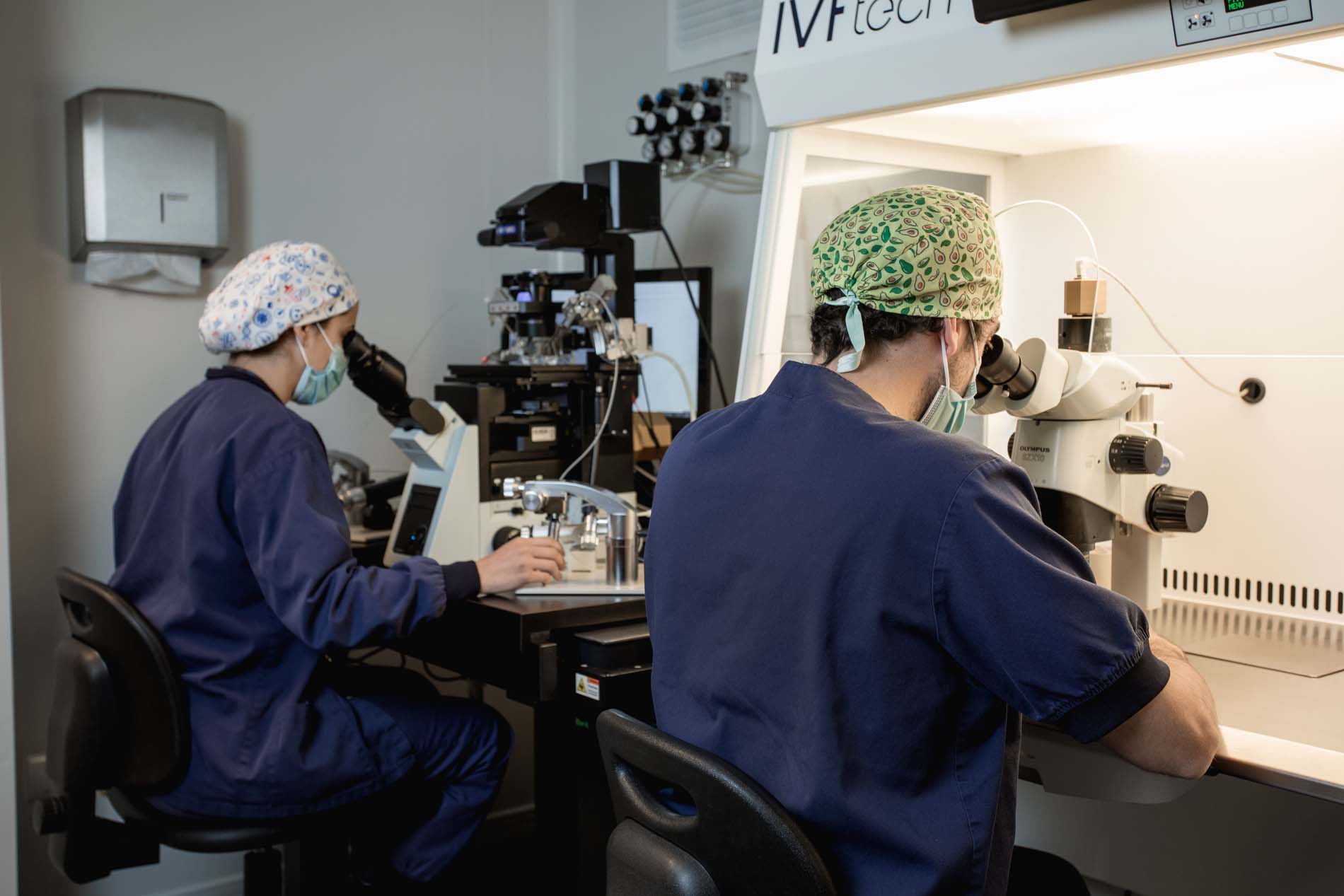
A laboratory with advanced technology and qualified embryologists is essential to ensure good results.
Poor semen quality has a negative impact on ICSI outcomes.


