ejc_loader
  • Blog
  • LET'S TALK?

Artificial
Insemination

Individualized study to
avoid the failure that occurs
in other centers with this technique

What is Artificial Insemination?

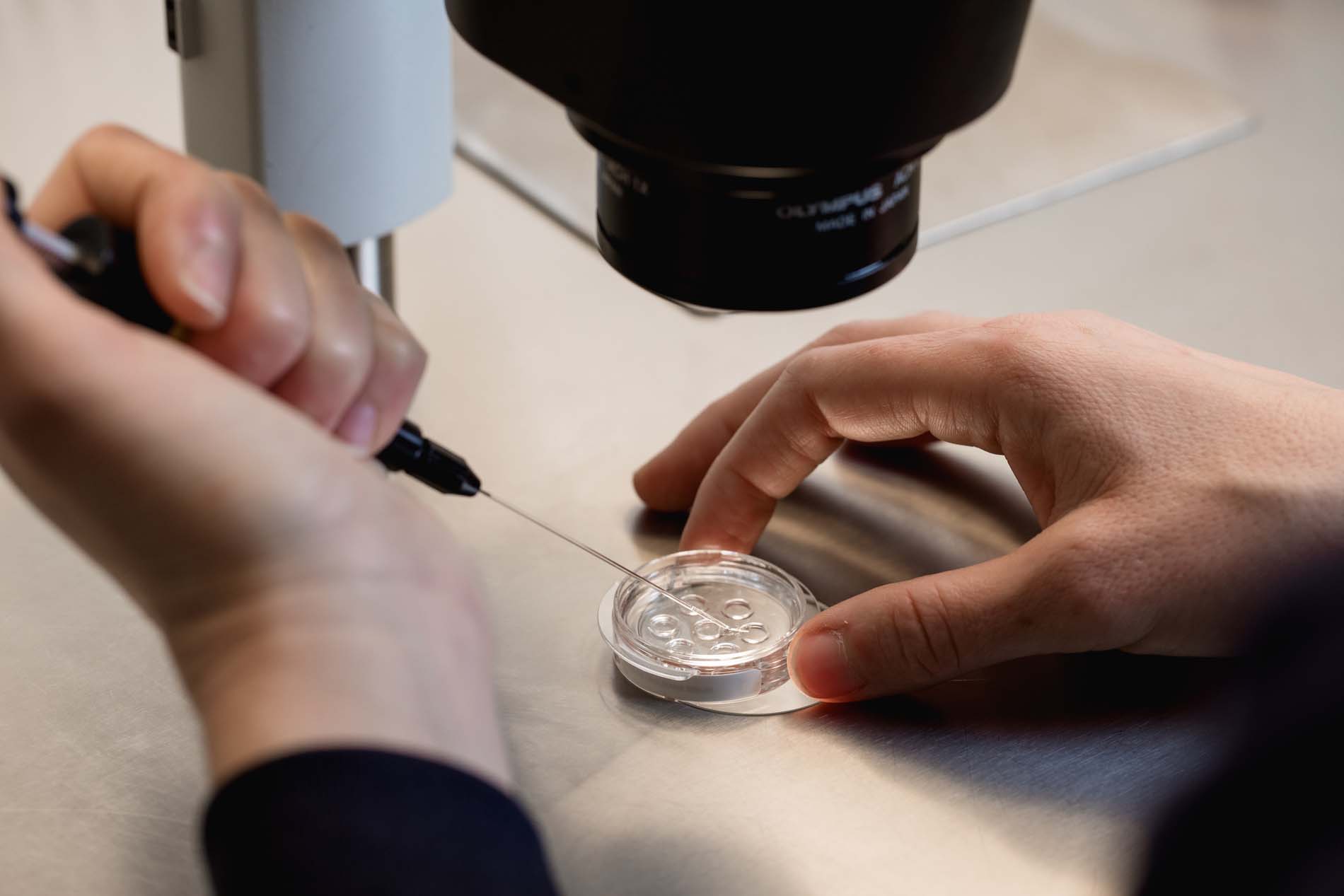
AI is one of the simplest assisted reproduction treatments; it consists of depositing sperm inside the woman's uterus, with the aim of increasing the chances of fertilization by bringing the male and female gametes closer together.

Difference between
artificial insemination
and other treatments

Although they share the goal of shortening the
time to pregnancy, AI is different from other
methods such as in vitro fertilization (IVF).

The main difference is that, in AI, fertilization occurs inside the woman’s uterus,
whereas in IVF the egg is fertilized in the laboratory and developed to the embryonic
stage before being transferred to the uterus.

At Equipo Juana Crespo, we use artificial insemination only in selected patients who
have real chances of success with this less complex procedure.

Types of
artificial
insemination

There are two types of AI depending on
the origin of the male gamete:
  • Intrauterine insemination with partner’s sperm (IUI-H)

    The male partner’s semen is used. It is useful in cases where the man has mild infertility problems, such as low sperm motility, but there is still a sufficient number of functional sperm, or in cases of ovulation problems in the woman to maximize control over the meeting of the sperm and the egg. The semen is prepared in the laboratory to improve its quality before being injected into the uterus.

  • Artificial Insemination with Donor Sperm (IUI-D)

    In this variant, semen from an anonymous donor is used. It is an option for couples in which the man has severe infertility, for single women, and for female same-sex couples without infertility issues who wish to achieve pregnancy.

In which cases is this treatment indicated?

Male fertility problems

- Mild oligospermia/asthenospermia:
Semen with mild issues in quantity or motility, but with a total motile sperm count of at least >5 million. After processing the semen in the laboratory, the best sperm are selected to increase the chances of success.

- Sexual dysfunction:
Couples in which the man has difficulties achieving ejaculation, whether due to physical or psychological causes.

Female fertility problems

- Cervical alterations:
Some women have problems in the cervix that prevent sperm from reaching the uterus. For example, stenotic cervix after cervical conization performed due to alterations related to the human papillomavirus.

- Ovulatory disorders:
Women with irregular menstrual cycles or absence of ovulation may undergo AI to stimulate the ovaries and control ovulation, coordinating the fertilization process.

Specific cases

- Same-sex female couples using donor sperm

- Single women using donor sperm

- Severe male infertility using donor sperm

Artificial
Insemination
Process
Step by Step

  • 1. Assessment

    At Equipo Juana Crespo, the first step in determining whether you are a suitable candidate for artificial insemination is an initial consultation, during which we carry out a complete fertility assessment tailored to your specific case. If, after this evaluation, we confirm that you do not have any fertility problems other than those previously described, artificial insemination (AI) may be a good option for you.

  • 2. Verification

    This technique consists of gently stimulating the ovary to achieve the growth of a maximum of three follicles during that month (if multiple follicular growth occurs, the insemination must be cancelled due to the risk of multiple pregnancy).

  • 3. Artificial Insemination

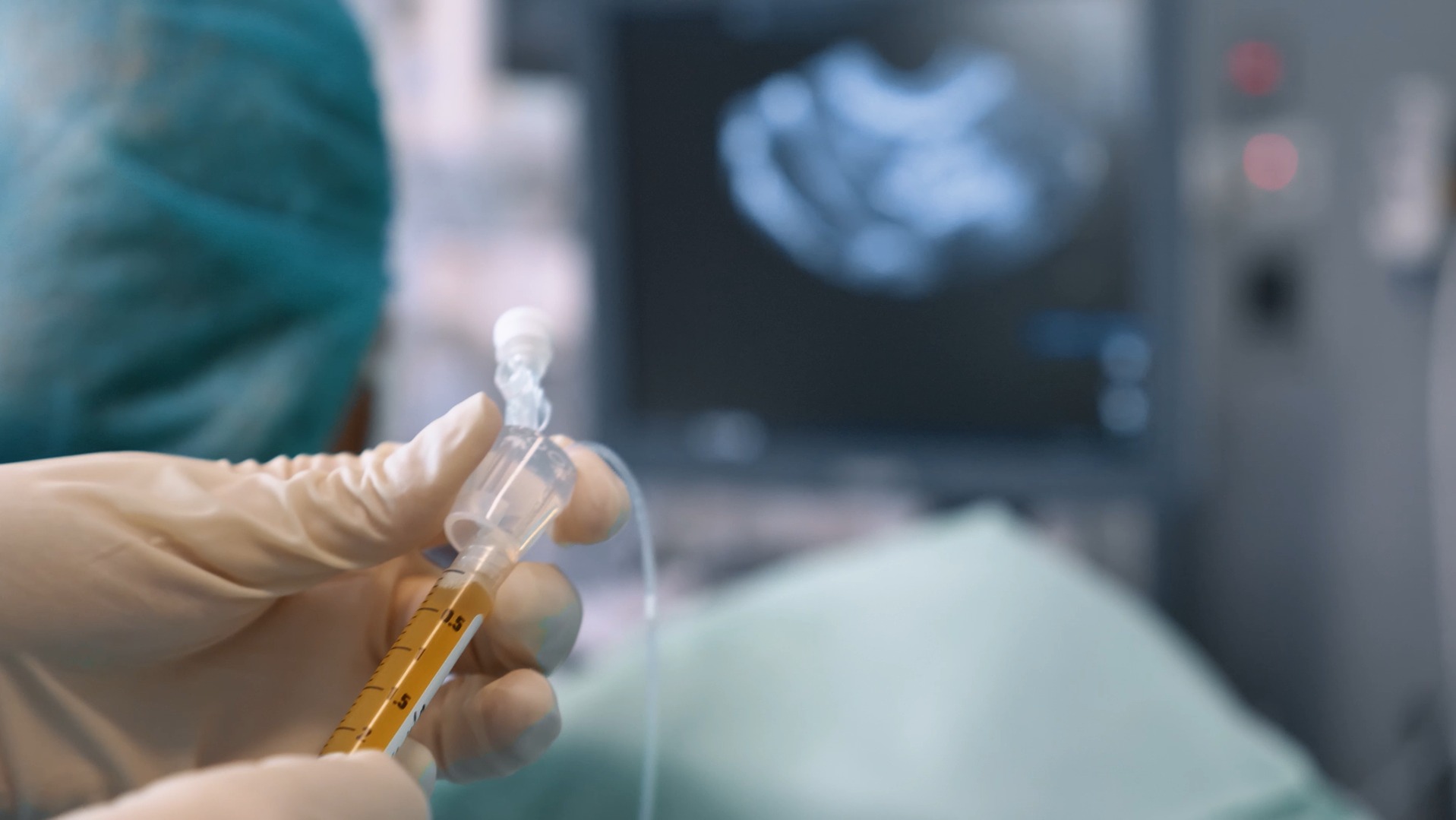
    Once the follicles reach a diameter of 18 to 23 mm, medication is administered to ensure ovulation, and the insemination is scheduled 36 hours later. The procedure consists of introducing a sperm sample from the partner or a donor into the woman’s uterus so that one of the sperm can fertilize the egg.

FAQS

Does artificial insemination hurt?

No. The procedure is quick, outpatient, and painless. It may cause mild discomfort similar to that of a Pap smear or gynaecological examination when the speculum is placed to visualize the cervix, through which the catheter containing the semen is introduced. It does not require anaesthesia or post-procedure rest.

What is the success rate?

It depends on several factors: the woman’s age, the cause of infertility, the number of attempts, and sperm quality. At Equipo Juana Crespo, we will inform you of your chances based on these factors so that you can make the best decision.

What risks or side effects may occur?

It is a safe treatment, but mild effects such as abdominal bloating, breast tenderness, or mood changes due to medication may occur. There is a risk of multiple pregnancy, although it is low if stimulation is properly controlled. To prevent infection, an antibiotic is administered the day before, as the vagina is not a sterile environment.

How long should you wait to know if artificial insemination worked?

It is recommended to perform a blood pregnancy test between 12 and 14 days after insemination. Doing it earlier may result in a false negative.

How is donor sperm selected?

The selection of donor sperm for artificial insemination is based on medical, genetic, and physical criteria. The donor undergoes a rigorous health screening, which includes genetic testing, infectious disease screening, and psychological evaluation. Once the donor is considered SUITABLE, at Equipo Juana Crespo we select a profile compatible with the recipient, seeking similarity in physical traits (such as eye colour, skin tone, height, ethnicity, etc.) and blood group compatibility. In addition, you may voluntarily undergo genetic matching with the donor (known as the carrier test or recessive disease test). This test detects possible genetic alterations and/or mutations present in the donor and avoids a match with the recipient woman. National legislation determines whether the donation is anonymous or whether more information about the donor can be disclosed.


+34 961 042 557