









What does preserving fertility mean?
Fertility preservation treatments aim to preserve the best quality eggs and sperm to avoid the impact of aging.

Fertility preservation treatments aim to preserve the best quality eggs and sperm to avoid the impact of aging.

Planning for
reproductive aging
Planning for fertility is the ability to be a mother or father
at the point in time that you decide to.
It is a concept that goes beyond vitrification of ova or sperm cells. It consists of undergoing a reproductive exam, which is different from a gynecological exam, to determine one’s own individual possible risk factors that, over the course of time and aging, could lead to reproductive difficulties. With this method, an individual undergoes a customized study, and a fully customized strategy is developed, focusing not only on preserving their gametes (ova and sperm cells), but also on maintaining the fertility of the rest of their reproductive organs.

What does it mean to plan for fertility?
Planning for fertility consists of a very complete reproductive exam,
which is different from a gynecological exam, in which the specialist
determines the current reproductive status and develops a
medium-term strategy.
We are all born with a series of innate characteristics, such as ovarian reserve, genetic inheritance, auto-immune diseases, etc. In addition, lifestyle factors and habits, such as smoking, obesity and stress affect the reproductive system.
Hence when planning for fertility our specialist’s study, on an individualized basis, factors such as:
- Family history
- Auto-immune diseases
- Gynecological factors
- Infections
- Lifestyle
Based on all these factors, at the Juana Crespo Clinic we are able to predict how an individual’s reproductive system will develop over time in order to come up with a treatment strategy oriented to protecting the individual’s reproductive system.
To achieve a full-term pregnancy, it is fundamental to have good ova. We do not mean only quantity of ova, but also quality. It is public knowledge that women are born with a finite ovarian reserve, but there are also pathologies that could affect the quality of the ova. At present, there are no analytical methods for advance detection of the quality of the ova.
In spite of this, our specialists can predict how each person’s individual circumstances can influence the functioning of the ovaries and the quality of the ova. For this purpose, we conduct a complete hormonal study, together with an antral follicle count using ultrasound.
Organs also age, and when planning for fertility, we must pay special attention to the reproductive organs.
- The vagina
- The cervix
- The uterus
- The Fallopian tubes
- The ovaries
Depending on individual factors, at the Juana Crespo Clinic we emphasize a specific organ based on its individually determined status.
For example, in women with endometriosis, all organs could be affected, while a woman with HPV will require extra protection for the cervix. Retroversion of the uterus alters its functional biomechanics, and hence it will be more susceptible to aging.
Using all these methods, our professionals will develop a customized strategy aimed to ensure fertility, which will include:
- Current report
- Possible future consequences according to individual reproductive status
- Customized medical guidelines, if necessary
- Vitrification of gametes, generally at 35 years of age.
When should we plan for fertility?
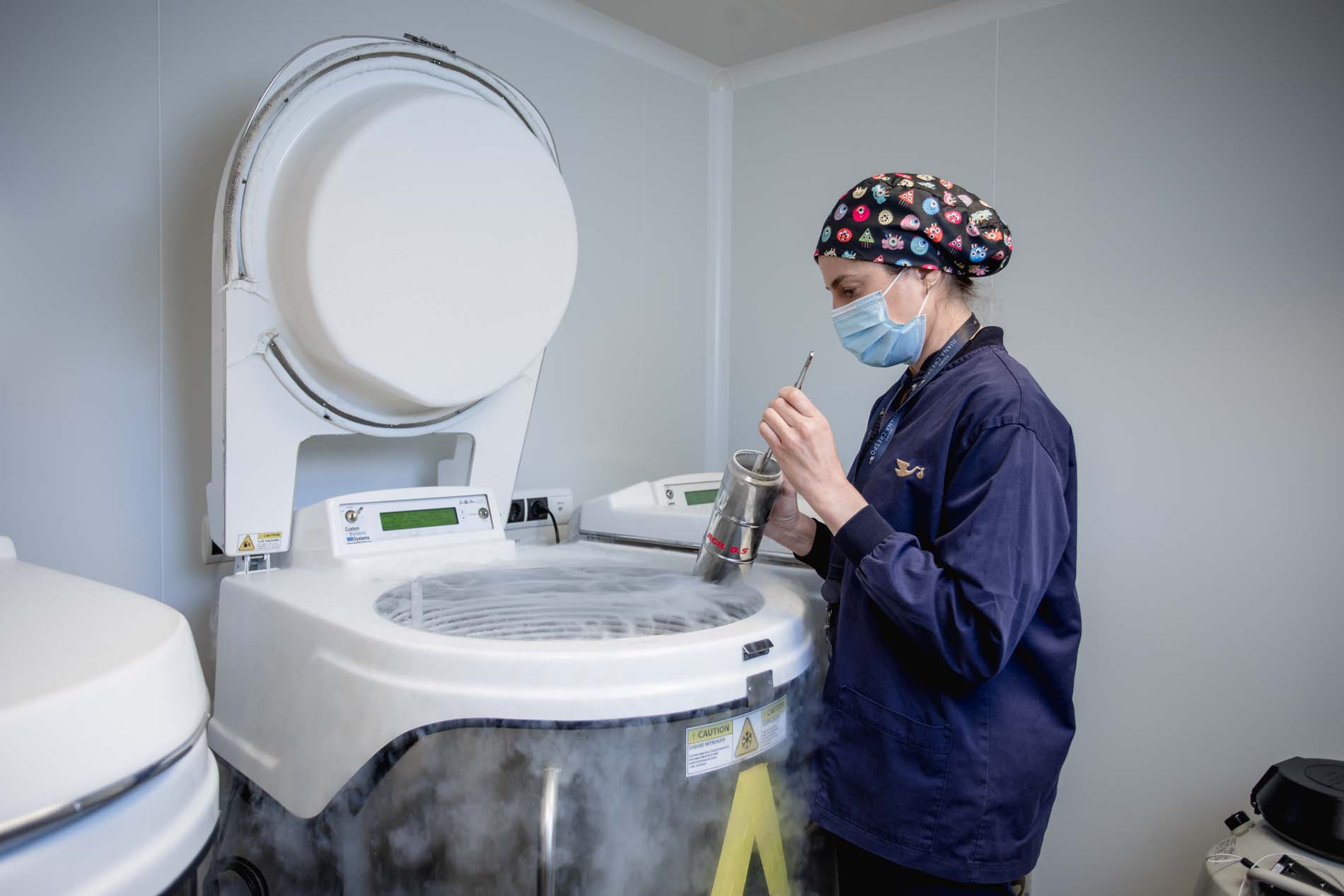
Preservation techniques
The preservation of fertility may be undertaken in some cases on the advice of a physician, in the case of loss of ovarian function, due to a serious illness or simply to guarantee a plan for future pregnancy.
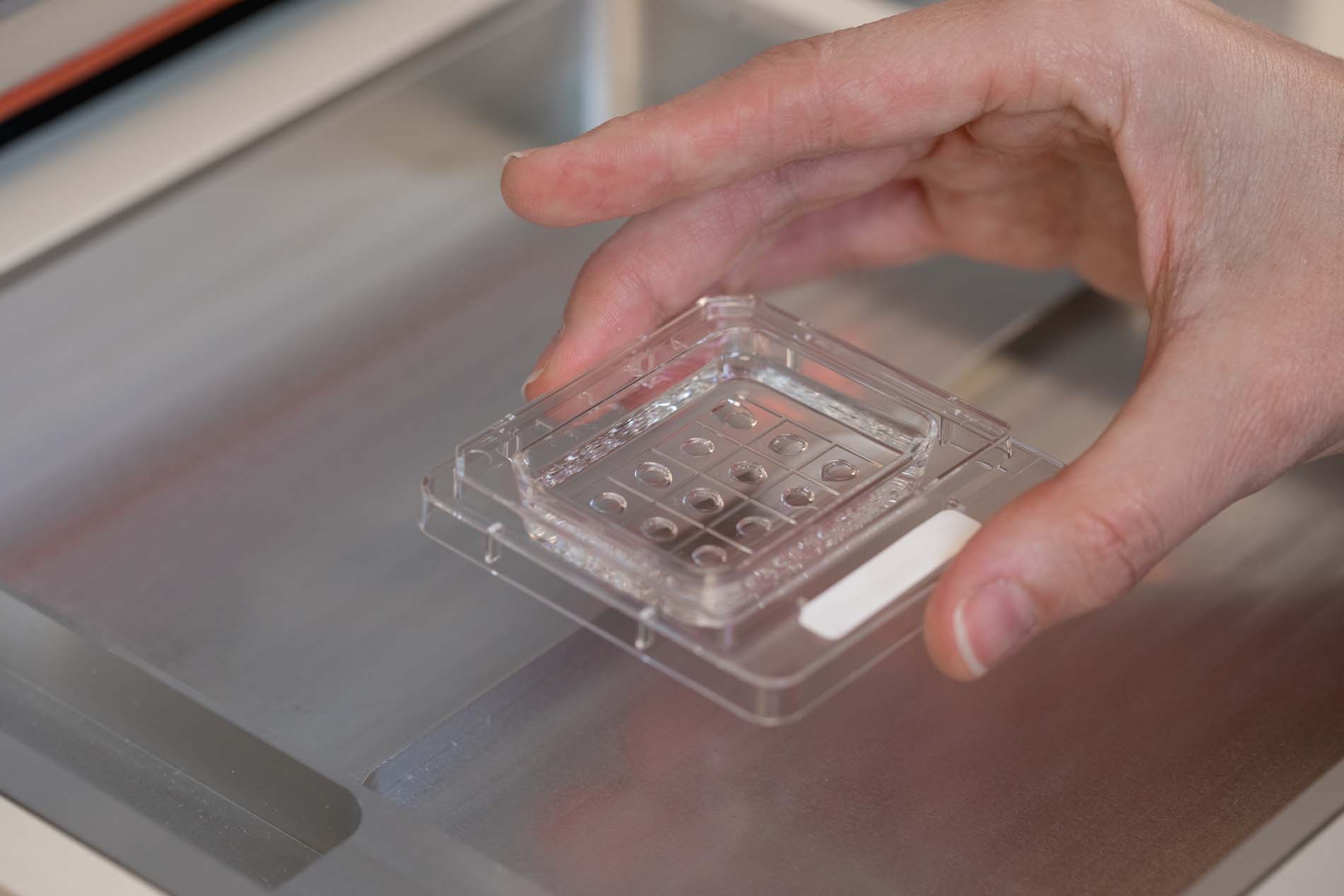
This entails the cryo-preservation of - previously stimulated - mature ova for use in the future in an assisted-reproduction treatment.
Cryo-preservation means that the frozen ova retain the same quality as a fresh ovum, thus guaranteeing their preservation over the course of the years.
Vitrification of ova gives women a high guarantee of efficacy when they opt for motherhood.
This treatment is intended for men, to preserve their fertility. The freezing of sperm entails cryo-preservation of sperm cells for a certain period without this resulting in loss of quality for a future treatment.
The hormonal stimulation used in our fertility treatments is safe and highly personalized, minimizing potential side effects, which are mostly mild and temporary. The most common side effects are abdominal bloating, mild pelvic discomfort, or breast tenderness. These symptoms usually disappear after treatment ends.
Yes, it is possible to freeze eggs from women with low ovarian reserve, but the number of eggs retrieved will be lower. Therefore, in these cases, several ovarian stimulation cycles may be needed to obtain an adequate number of eggs. In any case, it is important to evaluate each case with a fertility specialist to determine the best strategy for the patient’s individual situation.
It is recommended to freeze between 10 and 20 eggs to increase the chances of achieving pregnancy in the future, although the ideal number varies depending on age and egg quality. Women under 35 usually need fewer eggs, while those with lower ovarian reserve or who are older may require more.
Egg vitrification is generally a safe, controlled procedure with no side effects. In rare cases, it can have some mild side effects, mainly due to the ovarian stimulation required to retrieve the eggs. The most common side effects include abdominal bloating, pelvic discomfort, breast tenderness, and, in rare cases, ovarian hyperstimulation syndrome (OHSS), which can present with more severe symptoms.


